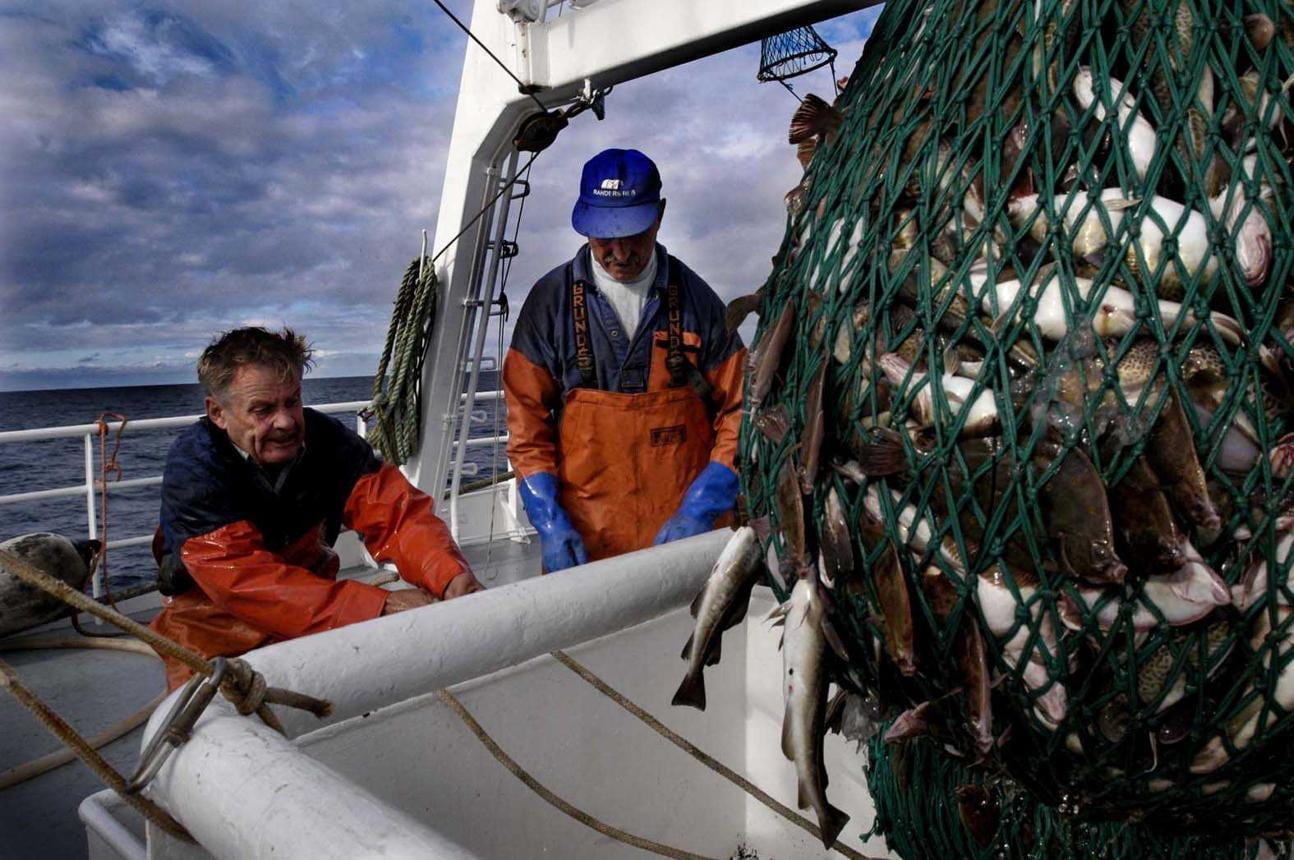
Vigo: In one of Europe’s great fishing ports, the paperwork that follows a catch matters almost as much as the catch itself, and that paperwork is now going fully digital. Since January the EU has made its IT system for catch certification, known as CATCH, mandatory for importers and member states, a change intended to make it far harder for illegally caught fish to slip onto European plates.
The logic is straightforward. For years the bloc’s scheme to keep out illegal, unreported and unregulated seafood relied heavily on paper certificates, which are slow to check, easy to forge and hard to cross-reference. Digitising the process lets authorities compare consignments, spot inconsistencies and flag suspicious flows across borders in something closer to real time. Only fish that can prove a lawful origin should clear the frontier.
Illegal fishing is not a marginal problem. It drains fish stocks, undercuts law-abiding fleets that shoulder the cost of sustainable practice, and distorts prices across a market that imports much of what it eats. By tightening the certification chokepoint, the EU is using the size of its own market as leverage, betting that suppliers worldwide will clean up their documentation rather than lose access to European buyers.
The digital scheme sits within a broader push set out in the bloc’s ocean strategy, which pledges a zero-tolerance stance toward illegal fishing. Among the harder commitments is a promise to tackle flags of convenience, whereby vessels register under lax jurisdictions to escape scrutiny, and to improve transparency around who actually owns a fishing boat. Opaque ownership has long been the soft underbelly of enforcement, letting operators hide behind shell structures.
None of this works without member states pulling in the same direction. Import controls have historically varied from one national authority to another, creating weak points that traders can exploit by routing goods through the least demanding entry port. Harmonising how checks are applied is as important as the technology itself; a digital system is only as strong as the least diligent border using it.
Fishers who play by the rules stand to gain the most if the controls bite, since they compete today against rivals who pay nothing for the damage they do. The coming test is enforcement in practice, not design on paper. If the digital net catches what the paper one missed, it will mark a quiet but real shift in how Europe polices the seas that feed it.