August 29, 2026
LATEST
Data Rules Agreed With Seoul Now Wait on Parliament’s ConsentChina Listed Fourteen European Firms and November Ends the TruceWhy Australia’s Finished Trade Deal Still Has No Signature DateLate Application Leaves Tokyo Outside the Defence Loan QueueCyber Resilience Rules Give Makers 24 Hours From SeptemberWinter Stocks Test Europe’s New Gas Storage Flexibility RulesInnovation Theory Meets Merger Control in a New Commission StudyMercosur Tariffs Fell in May and the Court Has Not Ruled YetBilaterals III Now Turns on Which Referendum Switzerland PicksDark Patterns Face the EU Digital Fairness ActFifteen Chapters Stand Between Montenegro and 2028Who Blinks First in the FP10 Research Budget FightCustoms Reform Landed in March and Its Data Hub Opens in 2028Victims Rights Gain an EU Helpline and Capitals Have Two YearsIreland Must Move the EU Budget Box Before the October SummitFertiliser Prices Sit 71 Percent Above Their 2024 Average LevelState Aid Exemptions Face a Rewrite With Four Months to SpareIrregular Crossings Fell 37 Percent and Spain Is the ExceptionSpring Growth Went to Ireland and Skipped Belgium EntirelyEurope’s Drought Pushed Four Great Rivers to Record LowsData Rules Agreed With Seoul Now Wait on Parliament’s ConsentChina Listed Fourteen European Firms and November Ends the TruceWhy Australia’s Finished Trade Deal Still Has No Signature DateLate Application Leaves Tokyo Outside the Defence Loan QueueCyber Resilience Rules Give Makers 24 Hours From SeptemberWinter Stocks Test Europe’s New Gas Storage Flexibility RulesInnovation Theory Meets Merger Control in a New Commission StudyMercosur Tariffs Fell in May and the Court Has Not Ruled YetBilaterals III Now Turns on Which Referendum Switzerland PicksDark Patterns Face the EU Digital Fairness ActFifteen Chapters Stand Between Montenegro and 2028Who Blinks First in the FP10 Research Budget FightCustoms Reform Landed in March and Its Data Hub Opens in 2028Victims Rights Gain an EU Helpline and Capitals Have Two YearsIreland Must Move the EU Budget Box Before the October SummitFertiliser Prices Sit 71 Percent Above Their 2024 Average LevelState Aid Exemptions Face a Rewrite With Four Months to SpareIrregular Crossings Fell 37 Percent and Spain Is the ExceptionSpring Growth Went to Ireland and Skipped Belgium EntirelyEurope’s Drought Pushed Four Great Rivers to Record Lows
August 29, 2026
LATEST
Data Rules Agreed With Seoul Now Wait on Parliament’s ConsentChina Listed Fourteen European Firms and November Ends the TruceWhy Australia’s Finished Trade Deal Still Has No Signature DateLate Application Leaves Tokyo Outside the Defence Loan QueueCyber Resilience Rules Give Makers 24 Hours From SeptemberWinter Stocks Test Europe’s New Gas Storage Flexibility RulesInnovation Theory Meets Merger Control in a New Commission StudyMercosur Tariffs Fell in May and the Court Has Not Ruled YetBilaterals III Now Turns on Which Referendum Switzerland PicksDark Patterns Face the EU Digital Fairness ActFifteen Chapters Stand Between Montenegro and 2028Who Blinks First in the FP10 Research Budget FightCustoms Reform Landed in March and Its Data Hub Opens in 2028Victims Rights Gain an EU Helpline and Capitals Have Two YearsIreland Must Move the EU Budget Box Before the October SummitFertiliser Prices Sit 71 Percent Above Their 2024 Average LevelState Aid Exemptions Face a Rewrite With Four Months to SpareIrregular Crossings Fell 37 Percent and Spain Is the ExceptionSpring Growth Went to Ireland and Skipped Belgium EntirelyEurope’s Drought Pushed Four Great Rivers to Record LowsData Rules Agreed With Seoul Now Wait on Parliament’s ConsentChina Listed Fourteen European Firms and November Ends the TruceWhy Australia’s Finished Trade Deal Still Has No Signature DateLate Application Leaves Tokyo Outside the Defence Loan QueueCyber Resilience Rules Give Makers 24 Hours From SeptemberWinter Stocks Test Europe’s New Gas Storage Flexibility RulesInnovation Theory Meets Merger Control in a New Commission StudyMercosur Tariffs Fell in May and the Court Has Not Ruled YetBilaterals III Now Turns on Which Referendum Switzerland PicksDark Patterns Face the EU Digital Fairness ActFifteen Chapters Stand Between Montenegro and 2028Who Blinks First in the FP10 Research Budget FightCustoms Reform Landed in March and Its Data Hub Opens in 2028Victims Rights Gain an EU Helpline and Capitals Have Two YearsIreland Must Move the EU Budget Box Before the October SummitFertiliser Prices Sit 71 Percent Above Their 2024 Average LevelState Aid Exemptions Face a Rewrite With Four Months to SpareIrregular Crossings Fell 37 Percent and Spain Is the ExceptionSpring Growth Went to Ireland and Skipped Belgium EntirelyEurope’s Drought Pushed Four Great Rivers to Record Lows

Four Days Left Before the Recovery Fund Stops Counting

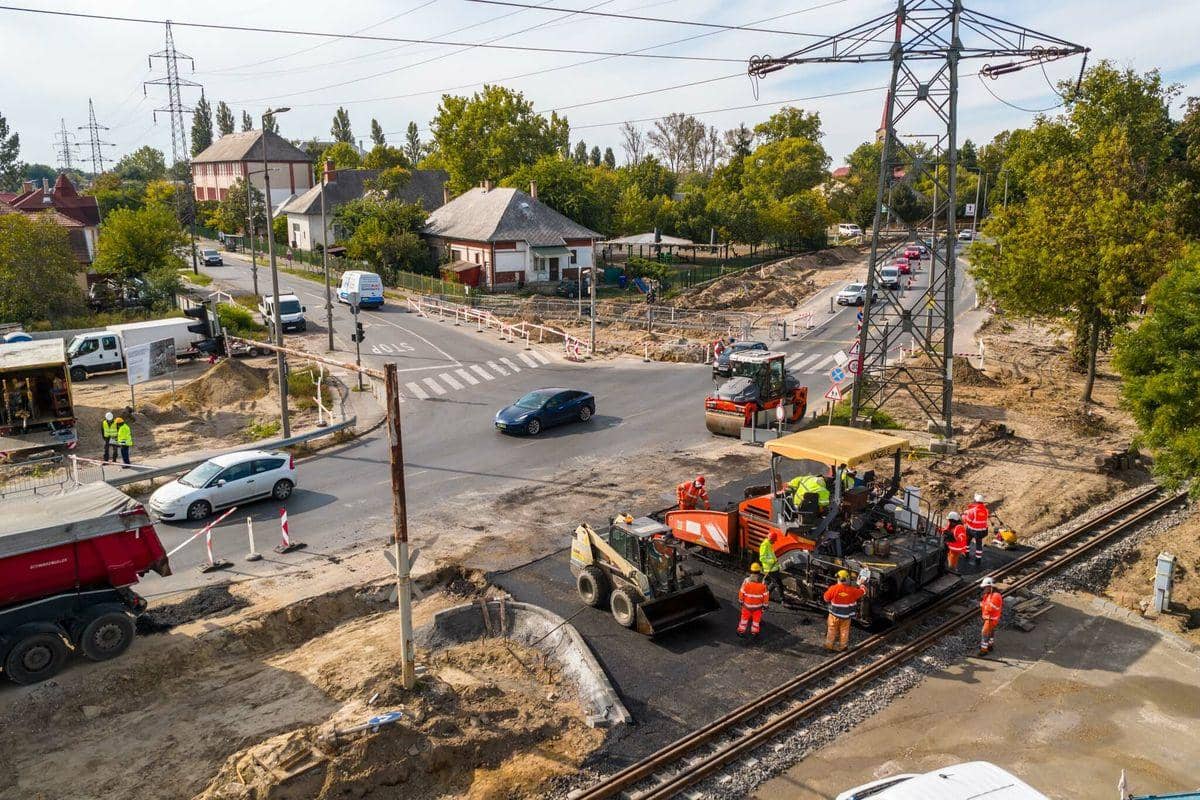
Debrecen: Contractors racing to finish publicly funded works in this eastern Hungarian city are working against a deadline set in Luxembourg five years ago. The Recovery and Resilience Facility, the borrowing-backed instrument at the heart of NextGenerationEU, stops accepting achieved milestones and targets on 31 August 2026.

The date sits in the founding regulation and cannot be extended by administrative decision, because it is tied to the European Union Recovery Instrument and the Own Resources Decision that authorised the borrowing. The Commission must then make final payments by 31 December 2026. Anything unfinished after Monday cannot be funded retroactively.

The Commission published closure guidelines in early May and instructed member states to strip their national plans of measures that could not realistically be completed. Amendments to plans closed at the end of May, which means every capital has already made its final choices about what to abandon.

The financial picture is uncomfortable. Disbursements have passed 315 billion euros against more than 2,000 verified milestones and targets, yet a very large residual allocation remains unclaimed. Some of that money was always going to lapse; some reflects genuine absorption failure in administrations that were asked to design, procure and deliver complex reforms inside four years.

Hungary illustrates the extreme case. A substantial share of its allocation stayed blocked over rule-of-law conditionality, and the remaining window is now too short to unlock it through reform. Other member states face a narrower version of the same problem, where a single unmet milestone in a payment request threatens the proportionate suspension of an entire tranche.

Auditors have raised a separate concern about what the deadline does to quality. When completion becomes the binding constraint, administrations have an incentive to declare targets met on paper and to favour projects that are easy to certify over projects that deliver the most lasting benefit. The European Court of Auditors flagged this pattern in successive reports without persuading legislators to soften the date.

Defenders of the design point out that the deadline is the reason the money moved at all. Cohesion funding, with its long eligibility windows, is famously slow to disburse. Tying payments to verified milestones and a hard end date produced an absorption rate that traditional instruments rarely achieve, and the performance logic is now being written into the next multiannual framework.

That inheritance is the real story of the coming week. The facility was sold as a one-off crisis instrument, but its architecture of national plans, milestones and payment-linked reform is the template for the national and regional partnership plans proposed for the post-2027 budget. Whatever conclusions the closure exercise reaches will shape money that has not yet been agreed.

In Debrecen the arguments are more immediate. Site managers want to know whether a substantially complete facility counts, and the answer depends on how each milestone was drafted years before anyone poured concrete.