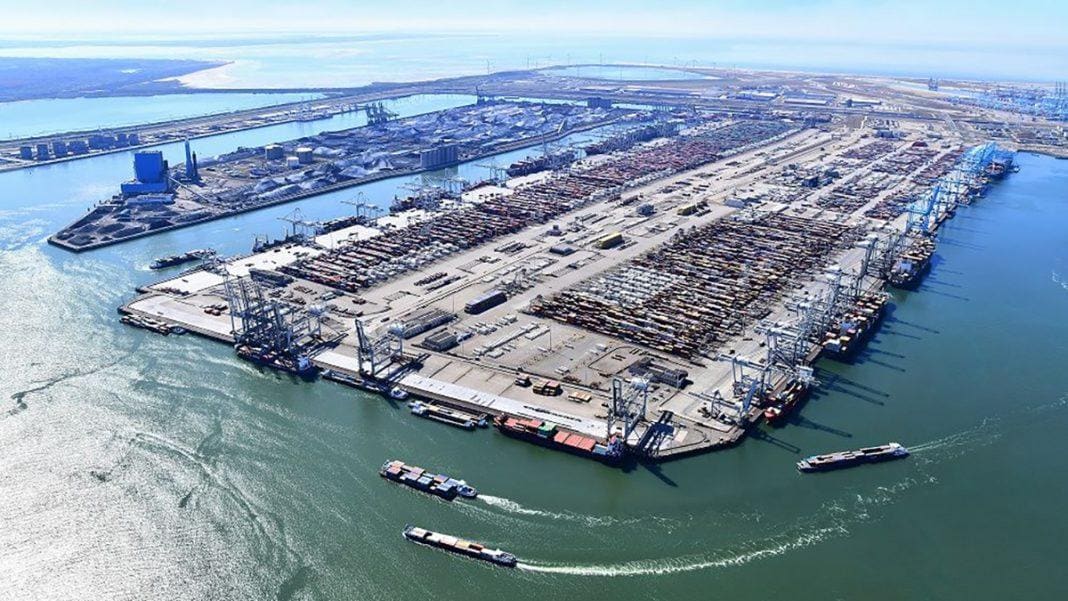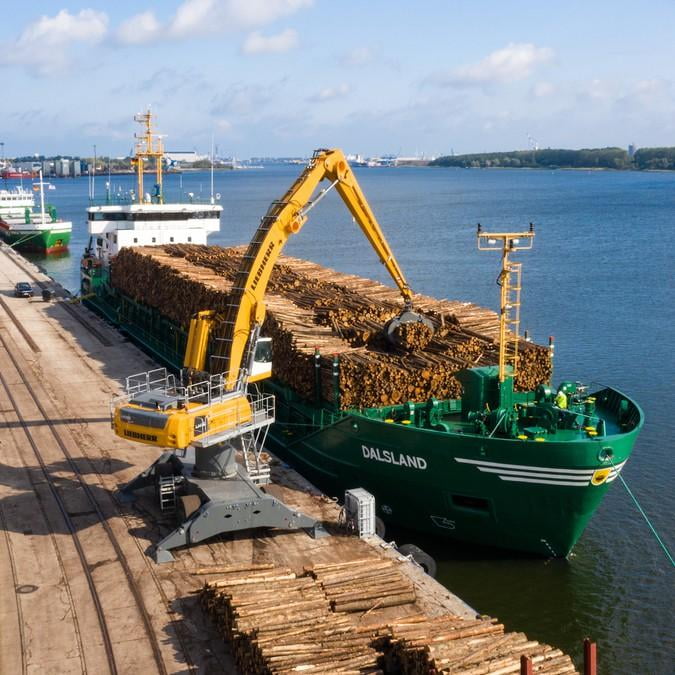
Klaipėda: Pine and birch move through this Lithuanian port in volumes that make paperwork an industrial process, and from 30 December the paperwork changes shape. Large and medium operators placing timber, cattle, cocoa, coffee, palm oil, rubber or soy on the single market must file a due diligence statement carrying the geolocation of every plot the commodity came from. The deforestation regulation has already been postponed once. The Commission has now closed that door.
What arrives in December is not the text traders first read in 2023. Brussels published a simplification package in May that trimmed the reporting burden without touching the core duty. Operators file one statement per consignment rather than repeating it down the chain. Downstream companies can reference an upstream statement instead of rebuilding the evidence themselves. The Commission puts the saving at roughly three quarters of the original compliance cost. Traders who handle thousands of small consignments a month treat that figure with polite scepticism.
The harder question sits in the information system rather than the legal text. Every statement lands in a central EU register, and customs authorities check it at the border. Nobody has run that register at full December volume. Lithuanian and Polish forestry associations spent the spring warning that a queue in the IT system becomes a queue on the quayside, and a queue on the quayside becomes a demurrage bill. The Commission updated the implementing act covering the system in the same May package, which suggests it heard the complaint. Whether the fix holds is an empirical matter that only the last week of December will settle.
Small and micro operators outside the timber sector get until 30 June 2027. That staggering sounds generous until you follow a supply chain backwards. A Portuguese chocolate maker classified as small still buys from an importer classified as large, and the large importer needs the plot data in December. The deadline that matters is the one facing whoever first brings the commodity into the Union, not the one printed next to your own headcount.
Producer countries read the calendar differently again. Côte d’Ivoire and Ghana have built national traceability platforms partly to satisfy this regulation, and both want their systems recognised rather than duplicated. Indonesia and Malaysia continue to argue the rules amount to a trade barrier dressed as environmental policy. The country benchmarking exercise, which sorts origins into low, standard and high risk and sets how often checks fall, remains the single lever that decides whether the regulation lands lightly or heavily on any given exporter.
For farmers inside the Union the calculation is narrower and more immediate. EU cattle and wood fall in scope like anything else. A Bavarian sawmill and a Brazilian one file the same statement, and the German one may find its neighbours’ land registry data less usable than it expected. Member states have not finished designating the competent authorities that will run inspections, which means the enforcement map on 30 December will have gaps in it.
The Commission’s own guidance now runs to hundreds of pages of questions and answers. That is the clearest signal of where this stands. The obligation is settled. The practice is not.