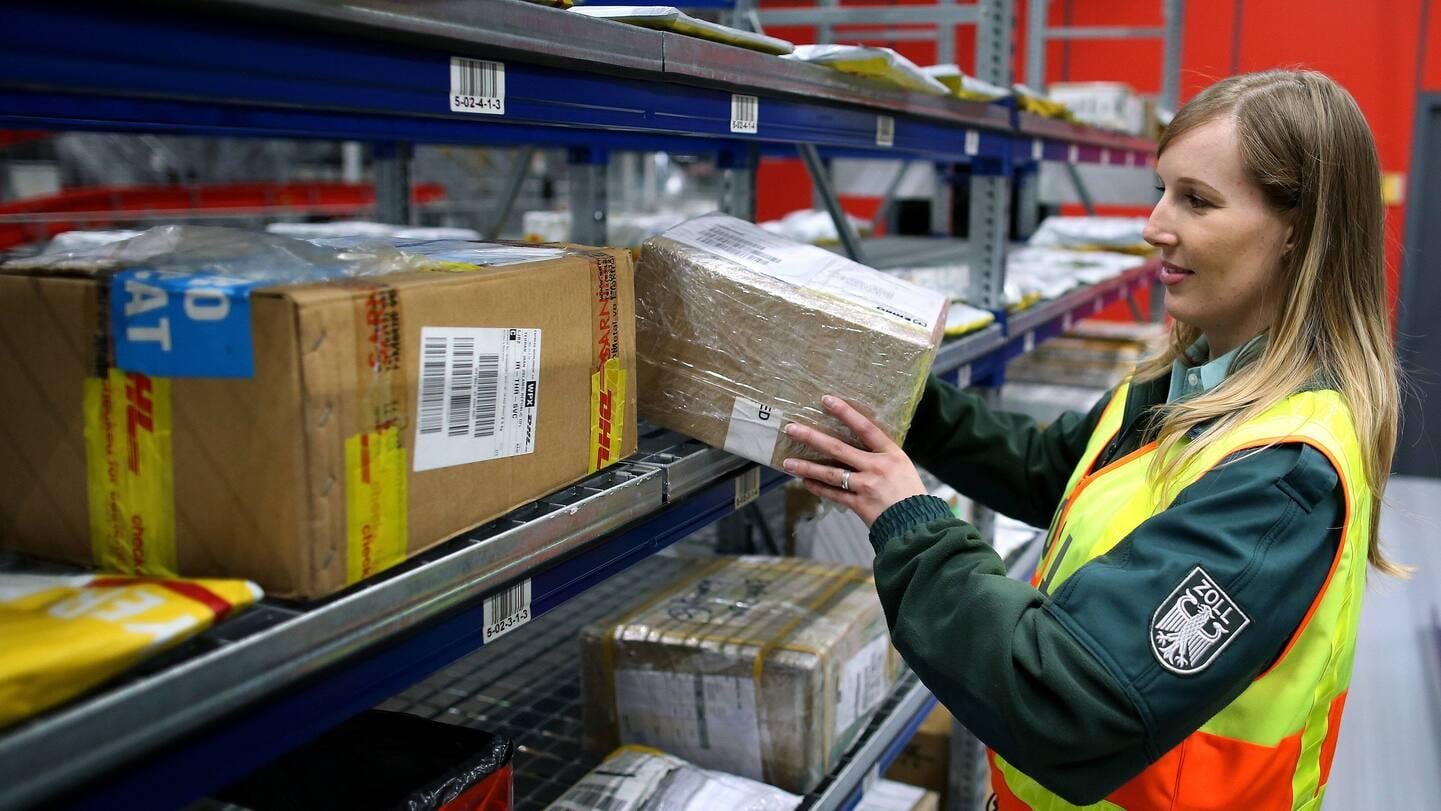
Bucharest: Europe’s customs fraud problem is shifting from container yards to warehouse shelves stacked with online orders, and investigators are racing to keep pace. In its account of operational work for the first half of 2026, the European Anti-Fraud Office warned that the booming e-commerce trade has become a prime channel for evading duties and value-added tax across the single market.
The pattern is consistent. Organised networks undervalue imported goods, misdeclare their contents or fake intra-Community movements so that parcels slip into the bloc while the tax owed on them vanishes. Because the goods arrive in millions of small consignments, the losses are hard to see one parcel at a time yet enormous in aggregate.
The numbers make the point. In one scheme dismantled in late April, a criminal ring simulated cross-border movements of Chinese imports through false confirmations, dodging roughly 118 million euros in customs duties and 79 million euros in VAT. A separate e-commerce case flagged by investigators pointed to some 66 million euros in evaded duties and 133 million euros in lost VAT on parcels sold online.
OLAF cannot prosecute, so its leverage comes from coordination. The office pulls together national customs services, works alongside the Eurofisc network of tax officials and hands member states the evidence they need to claw money back. That model turns scattered national tip-offs into transnational cases that no single authority could build alone.
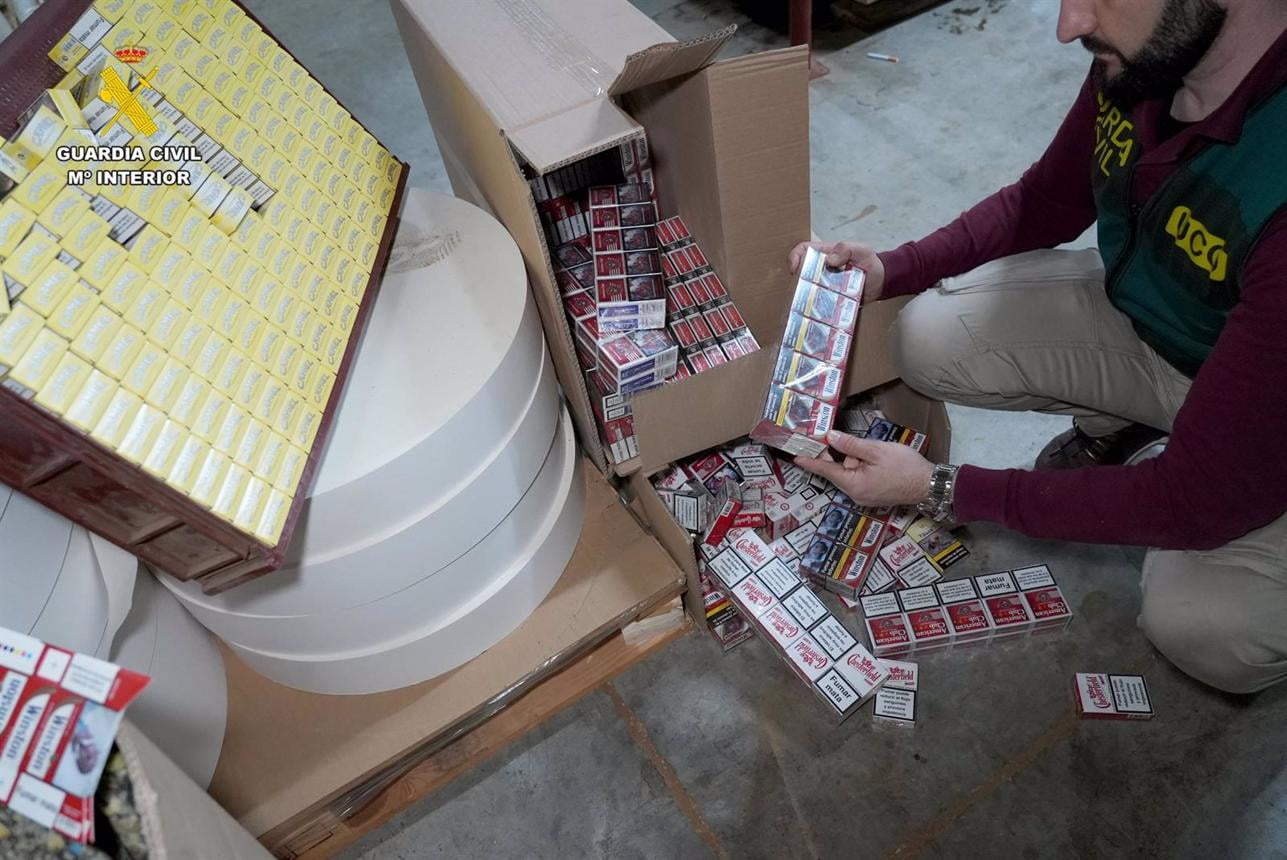
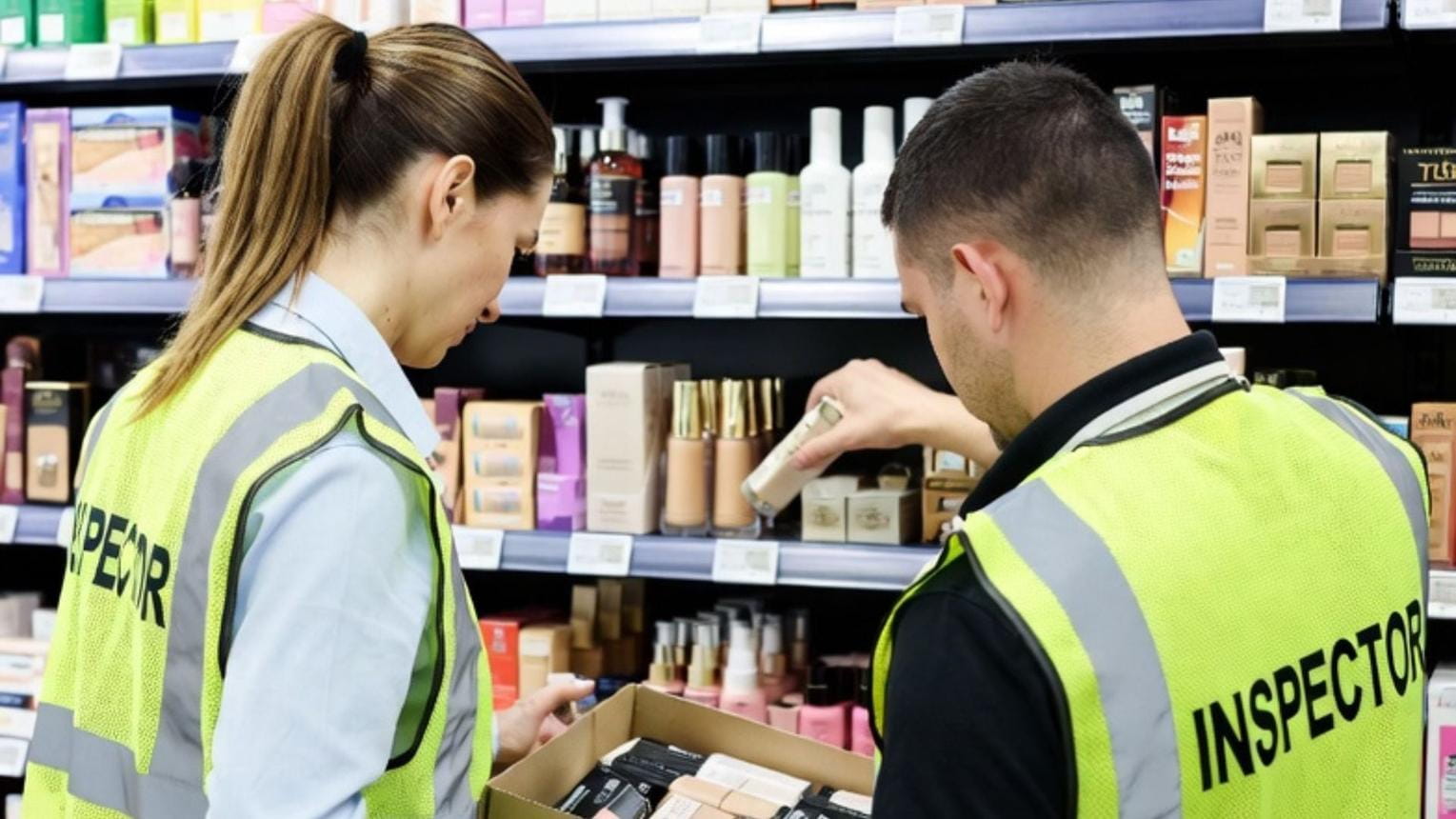
The office has also gone after physical contraband that rides the same logistics routes. Joint customs operations this year have targeted illegal e-cigarettes and counterfeit goods, and OLAF helped Portuguese authorities break up a trade in fake truck parts. Each operation exposes how smugglers exploit the sheer volume of low-value shipments to bury illicit cargo.
Timing sharpens the stakes. The bloc is overhauling how it treats cheap parcels, and enforcement bodies argue that new rules will only bite if fraud detection keeps up. Investigators say data sharing between platforms, postal operators and customs remains the weak link, since gaps in that chain are exactly where undervaluation thrives.
For OLAF, the lesson of the first half of the year is that fraud follows commerce. As shoppers order more from abroad, the office expects the schemes to grow more elaborate, blending false invoices, shell importers and split shipments. National prosecutors, for their part, want quicker access to the office’s findings so they can move before the trail goes cold. Closing the gap, it argues, will take tighter cooperation and faster information flows rather than a single dramatic raid.