September 22, 2026
LATEST
One Ticket Promise Meets Its First Real Test Inside the CouncilCyprus Judge Takes Over a General Court Still Absorbing CasesSkills Portability Act Sets Five Weeks as the New Recognition LimitIreland Reopens the Digital Omnibus With Cookies Back in PlayMinisters Weigh the Long-Term Budget Before a Negotiating BoxSocial Partners Have One Week Left to Shape the Quality Jobs ActPhuket Round Decides Whether Thailand Closes Its Deal This YearSyria’s Banks Reconnect While Europe’s Risk Premium Stays PutMercosur’s First Health Ban Tests a Deal Still Being RatifiedBudget Performance Regulation Slips Toward a 2027 VotePontes Digital Euro Platform Goes Live for 13 BanksEU Arctic Drilling Ban Survives Norway’s Lobbying PushPrivacy Watchdog Wants Tighter Limits on Eurojust’s New DatabasesScrutiny Board Sends Europe’s Circular Economy Act Back for ReworkLow-LEO Studies Open the Next Chapter for Europe’s IRIS2 PlanFour Indo-Pacific Partners Join Europe’s Ministers in New YorkWildfire Season Closes Above Average as the rescEU Fleet GrowsQuality Education Roadmap Lands in November With Three FrontsPartnership Plans Recast Cohesion Policy Before Anyone VotesHandling Fee on Small Parcels Must Be Ready by 1 November 2026One Ticket Promise Meets Its First Real Test Inside the CouncilCyprus Judge Takes Over a General Court Still Absorbing CasesSkills Portability Act Sets Five Weeks as the New Recognition LimitIreland Reopens the Digital Omnibus With Cookies Back in PlayMinisters Weigh the Long-Term Budget Before a Negotiating BoxSocial Partners Have One Week Left to Shape the Quality Jobs ActPhuket Round Decides Whether Thailand Closes Its Deal This YearSyria’s Banks Reconnect While Europe’s Risk Premium Stays PutMercosur’s First Health Ban Tests a Deal Still Being RatifiedBudget Performance Regulation Slips Toward a 2027 VotePontes Digital Euro Platform Goes Live for 13 BanksEU Arctic Drilling Ban Survives Norway’s Lobbying PushPrivacy Watchdog Wants Tighter Limits on Eurojust’s New DatabasesScrutiny Board Sends Europe’s Circular Economy Act Back for ReworkLow-LEO Studies Open the Next Chapter for Europe’s IRIS2 PlanFour Indo-Pacific Partners Join Europe’s Ministers in New YorkWildfire Season Closes Above Average as the rescEU Fleet GrowsQuality Education Roadmap Lands in November With Three FrontsPartnership Plans Recast Cohesion Policy Before Anyone VotesHandling Fee on Small Parcels Must Be Ready by 1 November 2026
September 22, 2026
LATEST
One Ticket Promise Meets Its First Real Test Inside the CouncilCyprus Judge Takes Over a General Court Still Absorbing CasesSkills Portability Act Sets Five Weeks as the New Recognition LimitIreland Reopens the Digital Omnibus With Cookies Back in PlayMinisters Weigh the Long-Term Budget Before a Negotiating BoxSocial Partners Have One Week Left to Shape the Quality Jobs ActPhuket Round Decides Whether Thailand Closes Its Deal This YearSyria’s Banks Reconnect While Europe’s Risk Premium Stays PutMercosur’s First Health Ban Tests a Deal Still Being RatifiedBudget Performance Regulation Slips Toward a 2027 VotePontes Digital Euro Platform Goes Live for 13 BanksEU Arctic Drilling Ban Survives Norway’s Lobbying PushPrivacy Watchdog Wants Tighter Limits on Eurojust’s New DatabasesScrutiny Board Sends Europe’s Circular Economy Act Back for ReworkLow-LEO Studies Open the Next Chapter for Europe’s IRIS2 PlanFour Indo-Pacific Partners Join Europe’s Ministers in New YorkWildfire Season Closes Above Average as the rescEU Fleet GrowsQuality Education Roadmap Lands in November With Three FrontsPartnership Plans Recast Cohesion Policy Before Anyone VotesHandling Fee on Small Parcels Must Be Ready by 1 November 2026One Ticket Promise Meets Its First Real Test Inside the CouncilCyprus Judge Takes Over a General Court Still Absorbing CasesSkills Portability Act Sets Five Weeks as the New Recognition LimitIreland Reopens the Digital Omnibus With Cookies Back in PlayMinisters Weigh the Long-Term Budget Before a Negotiating BoxSocial Partners Have One Week Left to Shape the Quality Jobs ActPhuket Round Decides Whether Thailand Closes Its Deal This YearSyria’s Banks Reconnect While Europe’s Risk Premium Stays PutMercosur’s First Health Ban Tests a Deal Still Being RatifiedBudget Performance Regulation Slips Toward a 2027 VotePontes Digital Euro Platform Goes Live for 13 BanksEU Arctic Drilling Ban Survives Norway’s Lobbying PushPrivacy Watchdog Wants Tighter Limits on Eurojust’s New DatabasesScrutiny Board Sends Europe’s Circular Economy Act Back for ReworkLow-LEO Studies Open the Next Chapter for Europe’s IRIS2 PlanFour Indo-Pacific Partners Join Europe’s Ministers in New YorkWildfire Season Closes Above Average as the rescEU Fleet GrowsQuality Education Roadmap Lands in November With Three FrontsPartnership Plans Recast Cohesion Policy Before Anyone VotesHandling Fee on Small Parcels Must Be Ready by 1 November 2026

Hungary Decides Today Whether Two More Accession Clusters Open

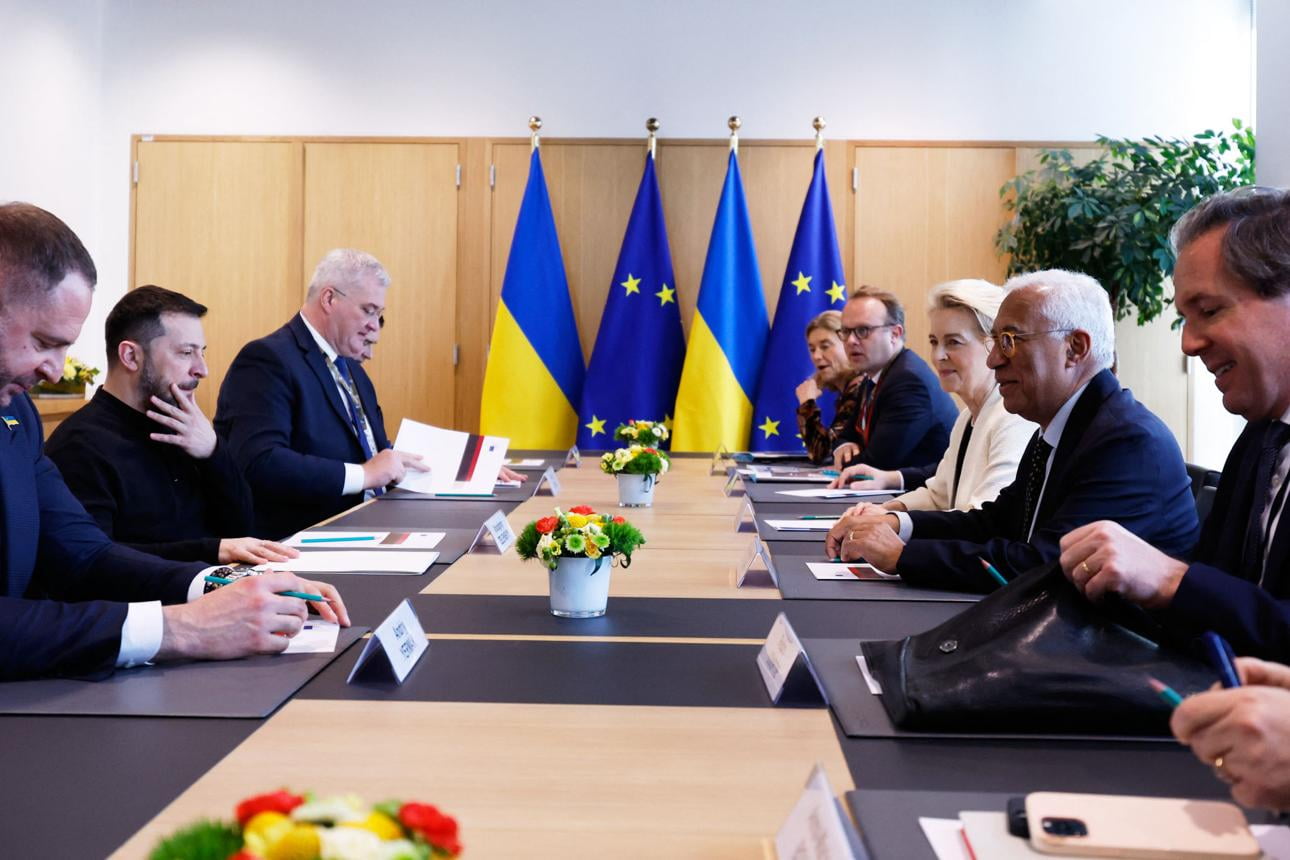
Chișinău: Diplomats return from the summer recess today to a question they failed to answer in July. The Council working party on enlargement, COELA, takes up the screening reports for negotiating clusters two and three for Ukraine and Moldova, and one government’s position determines whether either file moves.

The sequence matters more than the acronyms suggest. Screening compares a candidate’s legal order against the Union acquis chapter by chapter. Approving the screening result is the technical gate that lets ministers later convene an intergovernmental conference and formally open a cluster. Without unanimity at working-party level, nothing reaches ministers, and the process stalls in a room most citizens have never heard of.

Both countries opened their first cluster in June. The Council confirmed the fundamentals cluster for Moldova and Ukraine on 15 June, covering judiciary, fundamental rights, justice and public procurement, the chapters that open first and close last. Ukraine added cluster six on external relations on 14 July. Clusters two and three, covering the internal market and competitiveness, are the ones now blocked.

Hungary’s objection is not blanket. At the 22 July attempt Budapest signalled it would accept progress on cluster three, and only for Moldova, which is why the two candidacies keep drifting apart on paper while the Commission insists they advance on merit. Ukraine’s file carries the political weight; Moldova’s carries less domestic cost for Hungary, and Budapest has used that asymmetry as leverage since it first blocked clusters two through six for Kyiv.

Kyiv’s counter-argument is that screening approval judges legal alignment, not geopolitics, and that Ukraine’s internal market chapters are further advanced than several past candidates at the same stage. Budapest’s stated position rests on bilateral grievances and on the fiscal implications of admitting a large agricultural economy. Neither argument is settled by the screening reports themselves, which is precisely why the technical gate has become a political one.

Options exist if today fails again. Moldova can be decoupled and advanced alone, which the Commission resists because it breaks the merit-based framing and rewards a veto. The presidency can try again at the next working party. Or ministers can revisit whether unanimity at every technical step still serves an enlargement policy the European Council has declared strategic. That last conversation has begun in capitals but nowhere near a treaty change.

Time is not neutral here. Every quarter without an opened cluster is a quarter Ukrainian ministries spend aligning legislation without the negotiating structure that normally disciplines the work, and a quarter in which Moldovan public support for accession absorbs the perception of drift. Enlargement policy relies on visible steps; the absence of one is itself a signal.

Whatever COELA decides today will not be announced with much ceremony. Working parties do not hold press conferences. The tell will be whether an intergovernmental conference appears on the autumn calendar, and for which of the two countries. The Council’s enlargement pages track the openings as they are formally confirmed.