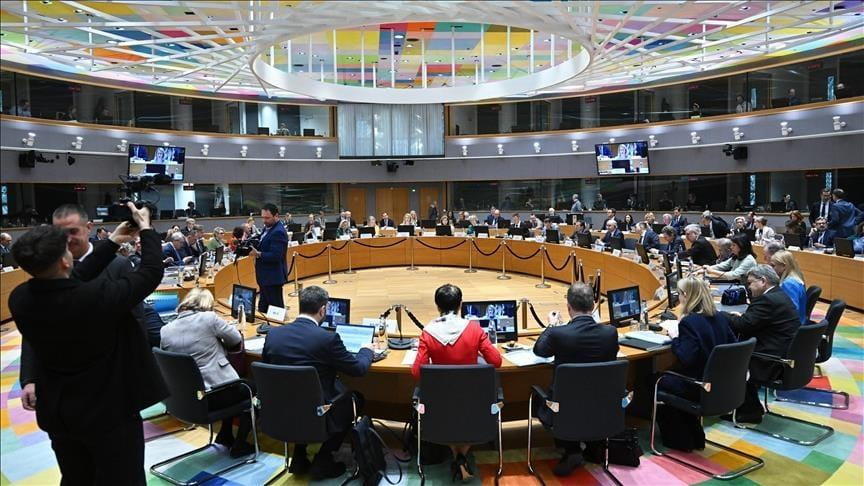
Budapest: Hungary told EU ministers on 13 October 2026 what it plans to do to answer the concerns raised against it under the Article 7 procedure, in a state-of-play item at the General Affairs Council in Luxembourg. The Irish presidency chaired the meeting, and the Council’s page reports no decision or outcome. The Hungarian delegation outlined plans and concrete steps, while the Commission gave its own update.
The Article 7 procedure against Hungary began in September 2018, when the European Parliament adopted a reasoned proposal asking the Council to determine a clear risk of a serious breach of EU values. Nearly eight years later the file remains open. The Council page describes the latest session as an update and not a hearing, a distinction that matters because a formal hearing would carry different procedural weight.
The Hungarian steps respond to the concerns that Parliament set out, to interim reports and to points that Member States raised in earlier meetings. The Council has not published the details of the steps. Without that detail, outside observers cannot yet judge whether the plans touch the core issues of judicial independence, media freedom and the use of EU funds.
The procedure moves slowly by design. Under Article 7 of the Treaty on European Union, a finding of a serious and persistent breach requires unanimity in the European Council, and a vote on a clear risk needs a four-fifths majority in the Council. Those thresholds explain why the Article 7 procedure has produced regular hearings and updates since 2018.
The same meeting dealt with wider democratic themes. Ministers approved conclusions on inclusive democratic participation and on societal and community resilience under the European Democracy Shield. Candidate countries joined an informal breakfast that marked their association with the European Centre for Democratic Resilience.
Ministers also looked ahead to the European Council on 15 and 16 October, where leaders will discuss the 2028 to 2034 budget, Ukraine, the Middle East, enlargement, defence, competitiveness and migration. The Hungary item sits apart from that agenda, but it shows how rule of law questions travel alongside every other file in Brussels. The Council page records only the facts of the exchange and offers no assessment of whether the Hungarian steps go far enough.
The next General Affairs Council meets on 19 November 2026, and the Article 7 procedure will return to the table only if the presidency schedules another update.