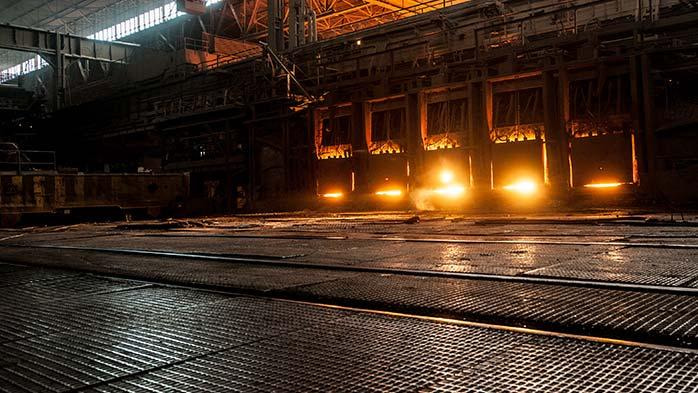
Linz: The blast furnaces that anchor this Austrian industrial city are exactly the kind of operation Europe’s carbon border levy is meant to protect. For years steelmakers complained that strict emissions rules at home left them undercut by cheaper, dirtier imports, a phenomenon known as carbon leakage. The carbon border adjustment mechanism is the bloc’s answer, and since the start of this year it has stopped being a paperwork exercise. The definitive period began on 1 January, meaning importers of steel, aluminium, cement, fertiliser, electricity and hydrogen must now buy certificates that match the emissions embedded in what they bring across the frontier.
The practical detail of how that works is still being written, and the Commission used mid-May to put its latest implementing rules out for a short public consultation that runs until 10 June. The texts spell out how importers calculate embedded emissions, when they can rely on default values, and how they document the carbon price already paid in the country of origin, which can be deducted. For finance teams in importing firms, these are not abstractions; they determine how large the quarterly certificate bill will be and how much evidence must be gathered from suppliers abroad.
Brussels has also moved to simplify the regime at its lower end and to seal its edges. A single mass-based threshold of fifty tonnes a year now governs which importers are caught, replacing a fiddly value-based test and freeing thousands of small traders from the system, though hydrogen and electricity remain covered regardless of volume. At the same time the Commission has proposed anti-circumvention measures, after industry warned that goods could be lightly processed or rerouted to slip past the levy, for instance by turning raw steel into simple components classified outside the scope.
Domestic producers in places like Linz broadly back the mechanism, seeing it as the necessary twin of the emissions trading system whose free allowances are being phased out as the border charge ramps up. Without it, they argue, the bloc’s climate ambition would simply export production and jobs to jurisdictions with weaker rules while doing nothing for the atmosphere. Environmental economists make a related case, that pricing the carbon content of imports is one of the few tools that can push trading partners toward cleaner industry.
The complaints are loud all the same. Exporting countries, several of them developing economies, view the levy as a unilateral trade barrier dressed in green language, and the question of its compatibility with world trade rules hangs over every technical decision. European manufacturers that export finished goods worry that the system protects them at home but offers nothing when they sell abroad against rivals who face no such carbon cost, a gap the Commission has so far declined to close with rebates. Smaller importers, even above the new threshold, fret about the sheer administrative weight of tracing emissions through opaque supply chains.
The consultation closing in June will feed into the rules that govern the first full years of certificate trading. For the steelmakers watching from the Danube, the levy is a long-sought shield. For the firms filling in the forms, it is a new and unfamiliar tax on everything they import, and the fight over how heavy it should sit is only beginning.