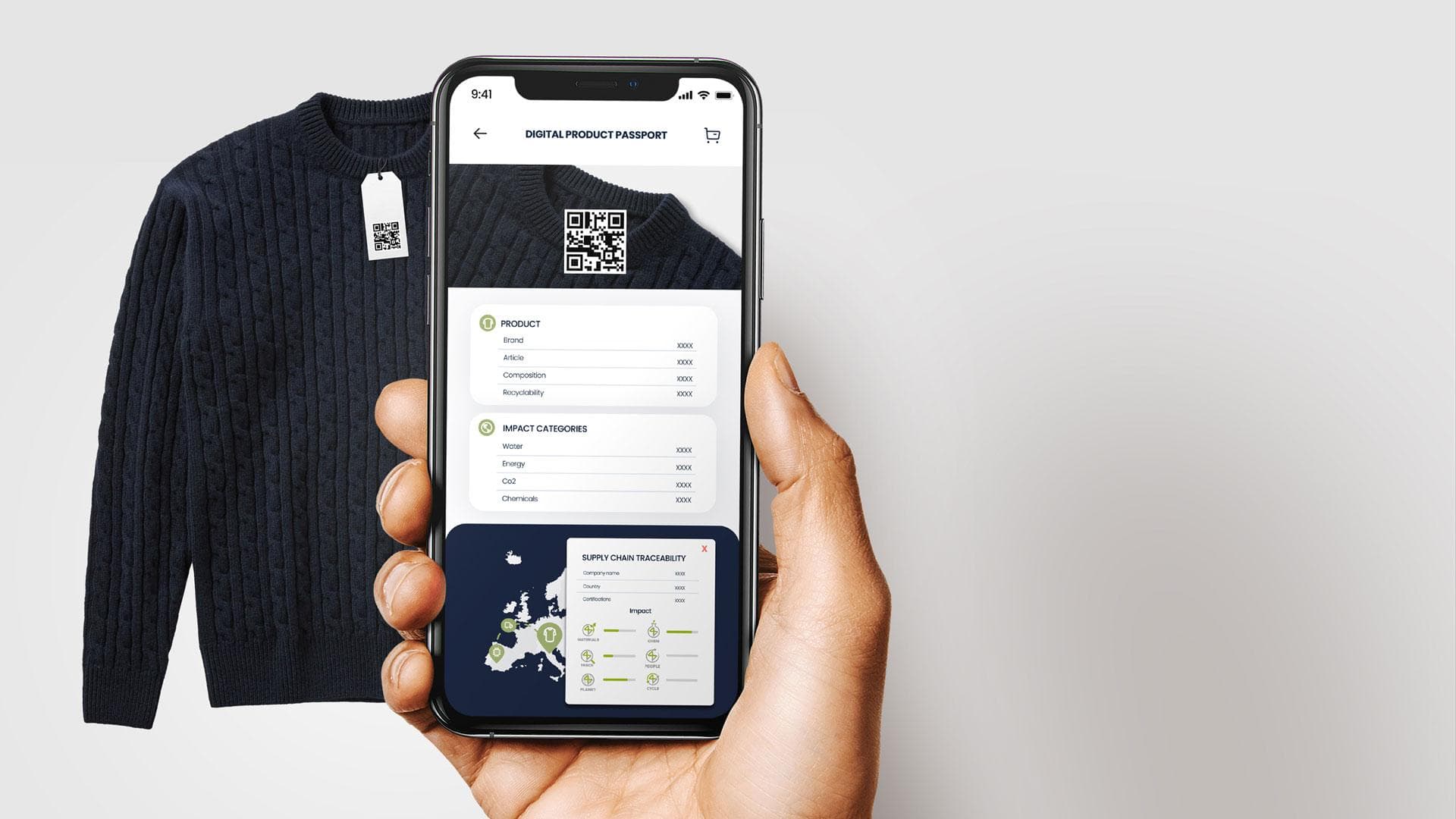
Warsaw: The paper invoice, that stubborn survivor of the digital economy, is finally on notice. Europe’s VAT in the Digital Age reform is grinding into motion, and it will eventually make electronic invoicing the default for cross-border trade across the Union.
The Commission has published its 2026 work programme for the package, a schedule of the technical and legislative steps needed to turn last year’s political agreement into working rules. The reform rolls out in stages stretching to the middle of the next decade, so businesses have time, but not forever.
The logic is blunt. Missing VAT costs national treasuries tens of billions each year, much of it lost to fraud that thrives in the gaps between paper records. Real-time digital reporting closes those gaps by letting tax authorities see cross-border transactions as they happen rather than months later.
The Commission reckons mandatory e-invoicing could cut VAT fraud by up to 11 billion euros a year while trimming administrative and compliance costs for traders by more than four billion annually over a decade. Fewer forms, in theory, means fewer places for cheats to hide.
The timeline gives firms room to adapt. From 2027 come clarifications for users of the one-stop-shop registration schemes. From 2028 online platforms in short-term rentals and passenger transport must collect VAT under new deemed-supplier rules. And from 2030 electronic invoicing becomes mandatory for intra-Union business transactions under a common European standard.
That standard is already taking shape. European standards body CEN has approved an updated semantic format for business-to-business invoices, giving software makers a fixed target to build against. Accountants welcome the clarity after years of guessing which national format would win.
Small firms are less relaxed. Upgrading billing systems costs money and patience, and micro-enterprises fear the transition will fall hardest on those least able to hire consultants. Tax advisers urge governments to fund the switch and phase in penalties gently, lest compliance become a trap for the well-meaning.
Larger companies that trade across borders mostly welcome the harmonisation. Today they juggle a patchwork of national e-invoicing mandates, each with its own quirks. A single European standard promises to replace that mess with one rulebook, cutting the cost of selling into a neighbouring market.
None of this arrives overnight, and the longest deadlines sit years away. But the direction is unmistakable. The reform quietly rewires how Europe collects one of its most important taxes, and the humble invoice will never look quite the same.