Milan: Italy learned earlier than most of its neighbours what a paperless tax system feels like. Years ago it routed business invoices through a central government platform, turning a once-private exchange between buyer and seller into a real-time conversation with the taxman. The rest of the Union is now following, and 2026 is the year the bloc’s grand plan to digitise value-added tax stops being a directive on paper and starts becoming infrastructure.
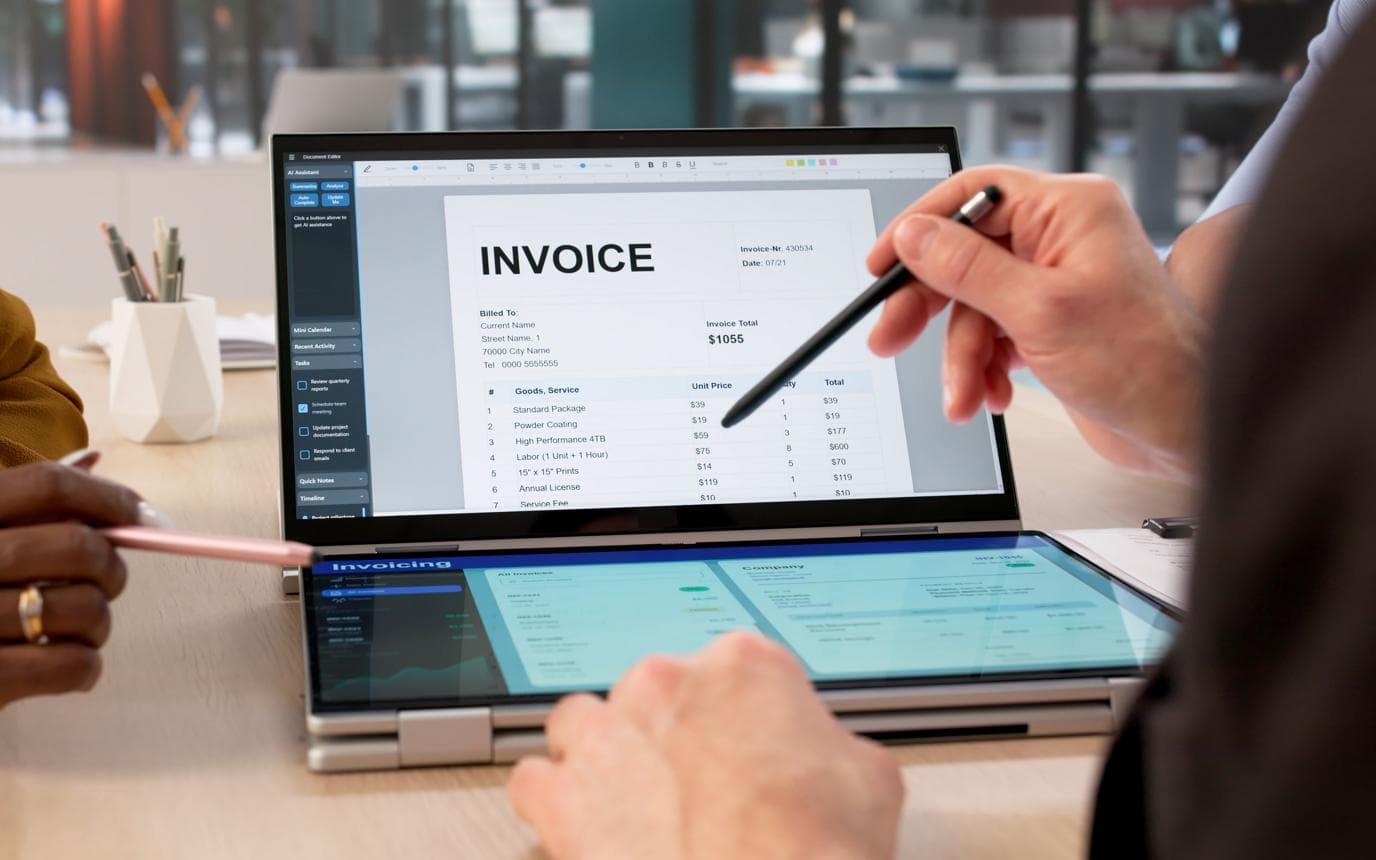
The framework, known as VAT in the Digital Age, was adopted last spring after years of negotiation and will roll out in stages stretching to the middle of the next decade. Its centrepiece is the gradual replacement of conventional invoicing with structured electronic invoices and near real-time digital reporting, beginning with cross-border trade. The Commission’s pitch is blunt about the prize. Officials estimate that closing the gaps fraudsters exploit could recover as much as eleven billion euros a year, while standardised digital invoicing could shave more than four billion euros annually off the compliance bills that businesses shoulder.
This year is about turning ambition into plumbing. In May the Commission published its work programme for the period, setting out the sequence of technical milestones that have to fall into place. A common European standard for electronic invoices is being finalised, with an updated version of the relevant norm winning formal approval from the standards body in February and slated for publication by the end of May. Later milestones cover the regulations for a shared electronic message format and the architecture of the central system that will let tax authorities verify cross-border transactions. None of it makes headlines, but without it the whole edifice cannot stand.
The complication is that member states are not waiting in lockstep. Belgium switched on a domestic e-invoicing mandate at the start of the year, Poland followed in February and Greece in the spring, while France begins its phased rollout in the autumn and Germany staggers its requirements across the following two years. The result is a patchwork in which a company trading across several countries may face overlapping national systems before the harmonised cross-border regime even arrives. For the bloc’s own digital reporting requirements, the decisive date is still some years off, when electronic invoicing becomes the default for cross-border business sales and a unified reporting system takes hold.
For businesses, the transition is both a burden and a relief. Smaller firms that still email PDFs or post paper bills face the cost of new software and the discipline of issuing invoices a tax authority can read instantly. Larger companies operating in many markets stand to gain the most once the rules converge, because a single standard should eventually replace the dozens of national formats they juggle today. Tax advisers warn, however, that the interim years will be the hardest, as firms adapt to national mandates that do not yet speak the same language.
The deeper shift is philosophical. Value-added tax has always relied on businesses to report honestly and on auditors to check long after the fact. Real-time digital reporting compresses that lag toward zero, giving authorities a continuous view of economic activity as it happens. Supporters see a fairer system in which honest traders are no longer undercut by fraudsters who never remit what they collect. Privacy-minded critics see a state with an unprecedented window into commerce. Either way, the era of the paper invoice in Europe is drawing, slowly and deliberately, to a close.