Zagreb: For Croatia and the other countries that draw heavily on EU funds, the fight over the next seven-year budget is no accounting exercise but a question of who controls the money. As talks over the 2028-2034 framework grind on, the EU budget is turning into a contest between national capitals and the European Parliament over the very shape of spending.
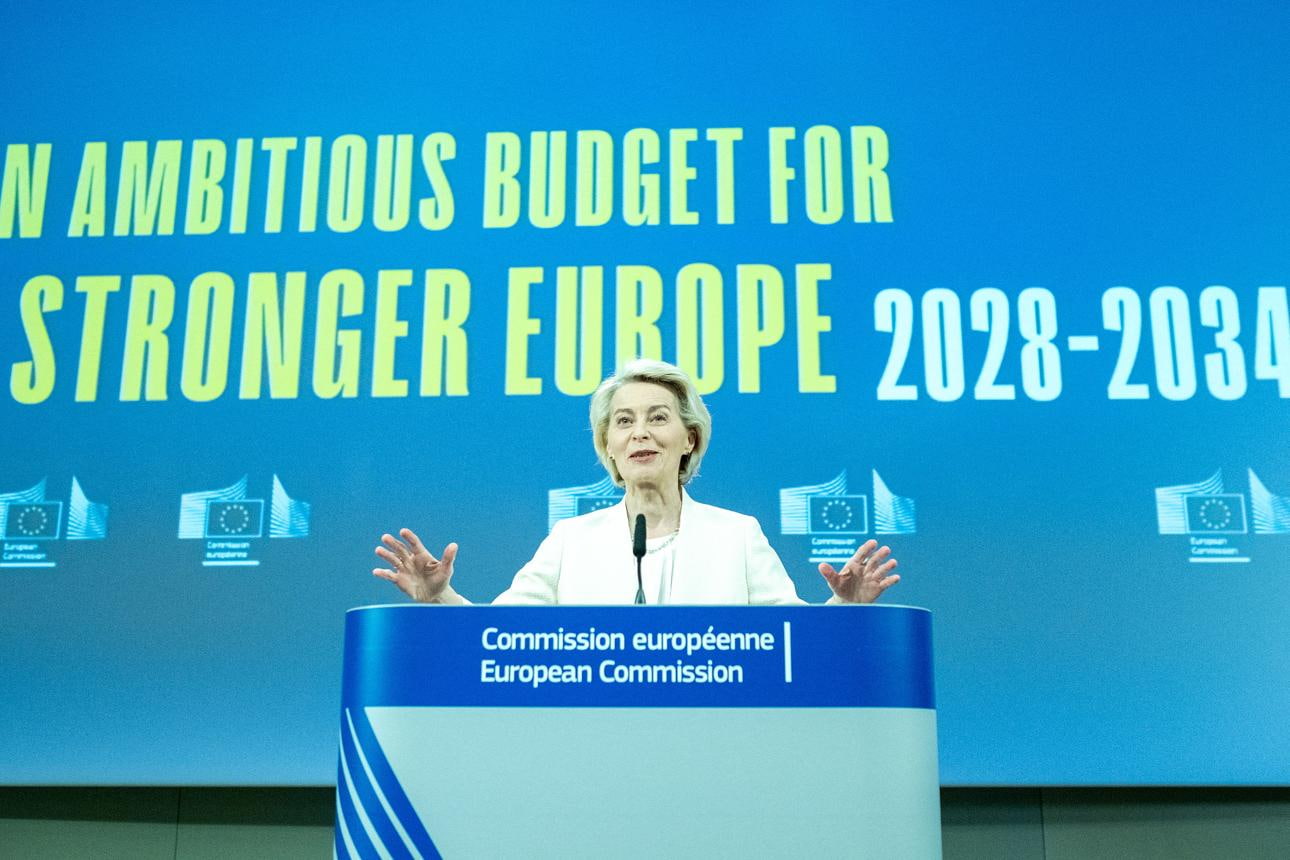
The Commission laid its cards down in July 2025, proposing a framework worth around 1.8 trillion euros in 2025 prices. The headline figure matters less than the architecture, which folds many separate programmes into larger, plan-based envelopes delivered through national capitals. The overview sits on the Council’s budget pages.
That structural shift is the real battleground. By handing member states broad national plans rather than dozens of ring-fenced funds, the design gives capitals more discretion over how cash is spent. Governments in the poorer regions welcome the flexibility, while Parliament fears it loosens the EU’s grip on where money actually goes.
Members of the European Parliament have flagged the fights ahead. They want minimum shares locked in for protected priorities, clearer EU-level rules on objectives and eligibility, and firm control over how plans get revised once the money starts to flow. Without those guardrails, they argue, cohesion and research could quietly lose out to short-term national choices.
The calendar adds pressure. The European Council in June set a roadmap rather than a deal, handing the Irish presidency the job of advancing a negotiating box toward the autumn summit, with the aim of an agreement by year’s end. The Commission tracks the process on its budget site.
Slippage carries a concrete cost. If leaders miss the end-of-year target, the sectoral laws that turn the framework into working programmes cannot pass in 2027, and beneficiaries would wait past January 2028 for funds to arrive. For a road project in Croatia or a lab in Poland, that delay means money and time lost.
Three knots still resist untying. Negotiators disagree over the overall size of the budget, the architecture of the structural funds that bankroll regional development, and the fresh revenue sources meant to help repay joint debt. Each touches a nerve in national treasuries.
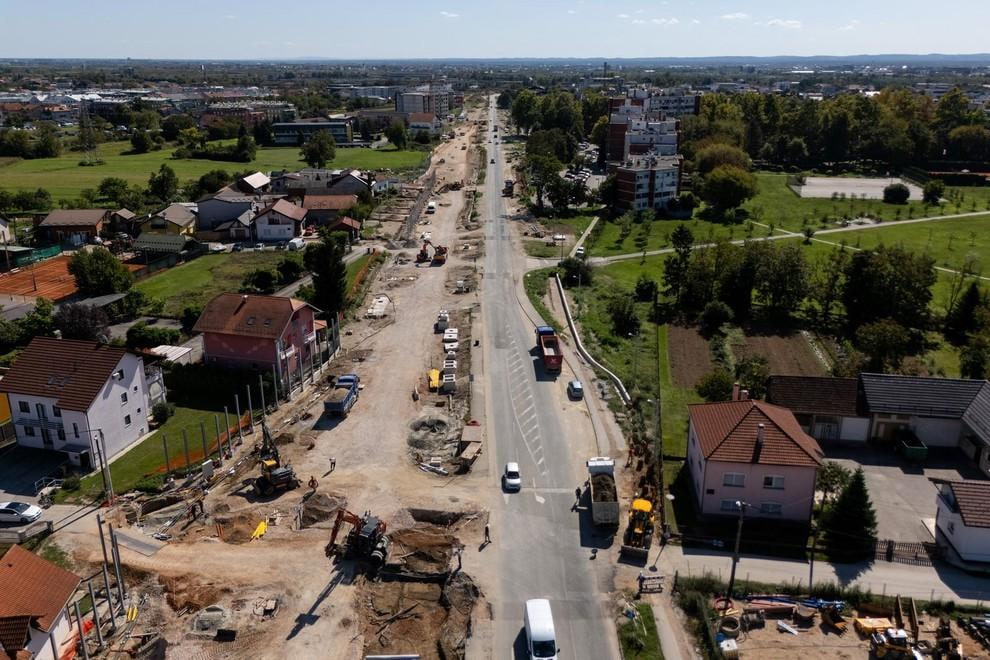
Zagreb sits on the receiving end of these choices. Croatia has used cohesion money to rebuild roads, upgrade water systems and cushion its regions, and it wants predictable, protected funding rather than pots that capitals could redirect on a whim. Its officials press for both flexibility and firm guarantees.
Richer states pull the other way, wary of a bigger budget and keen to keep tight reins on spending. That tension between net contributors and net recipients has shadowed every framework, and this round proves no gentler.
The coming months will test whether the Irish presidency can turn a roadmap into a bargain. The numbers will grab headlines, yet the deeper contest runs over who decides, and that argument over control will echo long after the totals are fixed.