August 12, 2026
LATEST
Temu Faces EU Penalty Threat Over Blocked Subsidy ChecksBanks Set for Simpler ESG Disclosure Under New EBA PlanMinimum Wages Climb Fastest in Eastern Europe, Data ShowsEurope’s Electrification Plan Aims to Slash Fossil Fuel BillsCouncil Clears Fertiliser Aid to Shield Struggling EU FarmersCan Europe Court Beijing and Contain It at the Same Time?Korean Tanks Fill the Gaps Europe Cannot Arm Fast EnoughAustralia Becomes Europe’s Answer to China’s Mineral GripEurope and Japan Bet on Shared Labs to Outpace ChinaWhy Europe and South Korea Rewrote the Rules of Digital TradeNew Zealand Helps Europe Anchor Its Ambitions Across the PacificCompetitiveness Fund Faces Its First Real Test of DeliveryHorizon Europe Rolls Out Its 14 Billion Research PushCERV Programme Grants Target Civic Space Under StrainEurope’s Firefighting Fleet Faces Its Worst Season on RecordAI Gigafactories Draw a 30 Billion Euro Bid to Rival the USRail Passengers Win Full Rights on Multi-Leg TripsEuropean Universities Face a Budget and Reform TestTobacco Rules Face a Sweeping Reset as Vaping SurgesRiyadh Summit Tests Europe’s New Bet on the GulfTemu Faces EU Penalty Threat Over Blocked Subsidy ChecksBanks Set for Simpler ESG Disclosure Under New EBA PlanMinimum Wages Climb Fastest in Eastern Europe, Data ShowsEurope’s Electrification Plan Aims to Slash Fossil Fuel BillsCouncil Clears Fertiliser Aid to Shield Struggling EU FarmersCan Europe Court Beijing and Contain It at the Same Time?Korean Tanks Fill the Gaps Europe Cannot Arm Fast EnoughAustralia Becomes Europe’s Answer to China’s Mineral GripEurope and Japan Bet on Shared Labs to Outpace ChinaWhy Europe and South Korea Rewrote the Rules of Digital TradeNew Zealand Helps Europe Anchor Its Ambitions Across the PacificCompetitiveness Fund Faces Its First Real Test of DeliveryHorizon Europe Rolls Out Its 14 Billion Research PushCERV Programme Grants Target Civic Space Under StrainEurope’s Firefighting Fleet Faces Its Worst Season on RecordAI Gigafactories Draw a 30 Billion Euro Bid to Rival the USRail Passengers Win Full Rights on Multi-Leg TripsEuropean Universities Face a Budget and Reform TestTobacco Rules Face a Sweeping Reset as Vaping SurgesRiyadh Summit Tests Europe’s New Bet on the Gulf
August 12, 2026
LATEST
Temu Faces EU Penalty Threat Over Blocked Subsidy ChecksBanks Set for Simpler ESG Disclosure Under New EBA PlanMinimum Wages Climb Fastest in Eastern Europe, Data ShowsEurope’s Electrification Plan Aims to Slash Fossil Fuel BillsCouncil Clears Fertiliser Aid to Shield Struggling EU FarmersCan Europe Court Beijing and Contain It at the Same Time?Korean Tanks Fill the Gaps Europe Cannot Arm Fast EnoughAustralia Becomes Europe’s Answer to China’s Mineral GripEurope and Japan Bet on Shared Labs to Outpace ChinaWhy Europe and South Korea Rewrote the Rules of Digital TradeNew Zealand Helps Europe Anchor Its Ambitions Across the PacificCompetitiveness Fund Faces Its First Real Test of DeliveryHorizon Europe Rolls Out Its 14 Billion Research PushCERV Programme Grants Target Civic Space Under StrainEurope’s Firefighting Fleet Faces Its Worst Season on RecordAI Gigafactories Draw a 30 Billion Euro Bid to Rival the USRail Passengers Win Full Rights on Multi-Leg TripsEuropean Universities Face a Budget and Reform TestTobacco Rules Face a Sweeping Reset as Vaping SurgesRiyadh Summit Tests Europe’s New Bet on the GulfTemu Faces EU Penalty Threat Over Blocked Subsidy ChecksBanks Set for Simpler ESG Disclosure Under New EBA PlanMinimum Wages Climb Fastest in Eastern Europe, Data ShowsEurope’s Electrification Plan Aims to Slash Fossil Fuel BillsCouncil Clears Fertiliser Aid to Shield Struggling EU FarmersCan Europe Court Beijing and Contain It at the Same Time?Korean Tanks Fill the Gaps Europe Cannot Arm Fast EnoughAustralia Becomes Europe’s Answer to China’s Mineral GripEurope and Japan Bet on Shared Labs to Outpace ChinaWhy Europe and South Korea Rewrote the Rules of Digital TradeNew Zealand Helps Europe Anchor Its Ambitions Across the PacificCompetitiveness Fund Faces Its First Real Test of DeliveryHorizon Europe Rolls Out Its 14 Billion Research PushCERV Programme Grants Target Civic Space Under StrainEurope’s Firefighting Fleet Faces Its Worst Season on RecordAI Gigafactories Draw a 30 Billion Euro Bid to Rival the USRail Passengers Win Full Rights on Multi-Leg TripsEuropean Universities Face a Budget and Reform TestTobacco Rules Face a Sweeping Reset as Vaping SurgesRiyadh Summit Tests Europe’s New Bet on the Gulf

Pharma Package Nears Final Adoption After Two Decades of Waiting

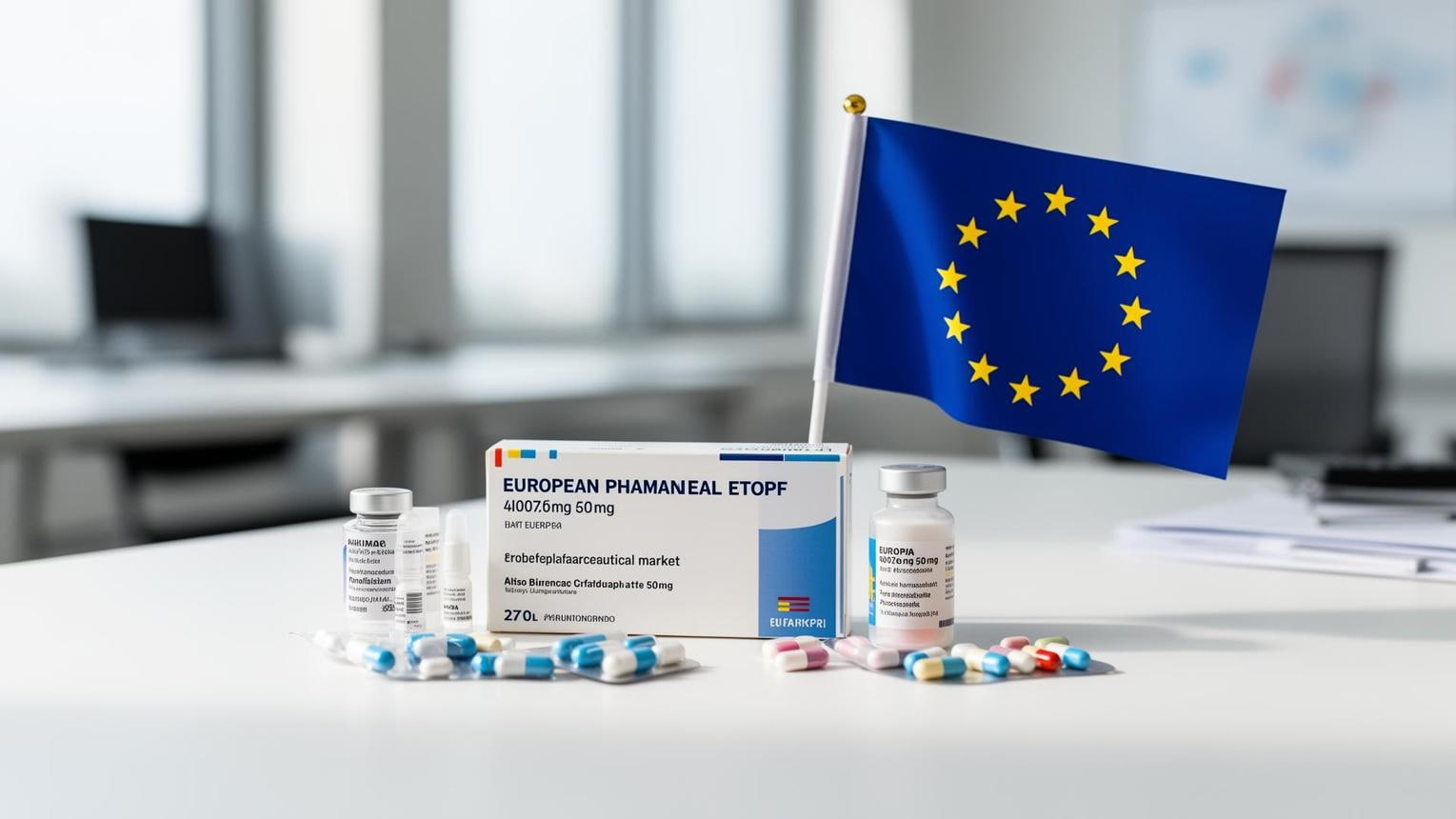
Amsterdam: The medicines Europeans take, and how quickly they reach the shelf, are governed by rules written more than twenty years ago. That is about to change. The Union’s pharma package, the largest overhaul of pharmaceutical law in a generation, is now in the final stretch toward adoption.

Negotiators from the Council and Parliament reached a provisional deal in December, and national envoys confirmed the compromise texts in March. Formal adoption is expected over the summer, after which the new directive and regulation will be published and the clock will start on a long transition. The Council announced the agreement as a rebalancing of long-standing rules.

The reform tries to serve two masters at once. It wants to keep Europe attractive to the companies that discover new drugs, and it wants patients across the bloc to reach those drugs sooner and cheaper. Those aims can clash, because the tool that rewards innovation, a period of market protection, also delays the cheaper generics that widen access.

The package settles that tension with a system of incentives. Companies earn a baseline stretch of protection, then can extend it by doing things the Union values, such as launching a medicine in every member state rather than only the richest, or developing treatments for unmet needs. In effect, firms trade wider access for longer exclusivity, a bargain the industry accepts warily.

Security of supply runs through the text. Recent shortages of common medicines, from antibiotics to painkillers, exposed how fragile the Union’s pharmacy shelves can be when a single overseas factory falters. The new rules push companies to give earlier warning of looming shortages and to hold contingency plans, so that a hiccup in one plant does not empty pharmacies across a continent.

The reform also replaces the ageing legal scaffolding entirely. The old directive and regulation that have governed the field for two decades give way to a fresh pair, which also fold in the separate rules for rare-disease and children’s medicines. The European Medicines Agency is preparing to operate the streamlined procedures the package promises.

Not everyone is convinced the balance is right. Some patient groups fear the access incentives are too weak to overcome the commercial logic of launching first in wealthy markets, while parts of the industry warn that shorter guaranteed protection could dull the appetite to invest. Full applicability is not expected until 2028, so the arguments have room to run. What is no longer in doubt is that the rules of Europe’s medicine cabinet are finally being rewritten.