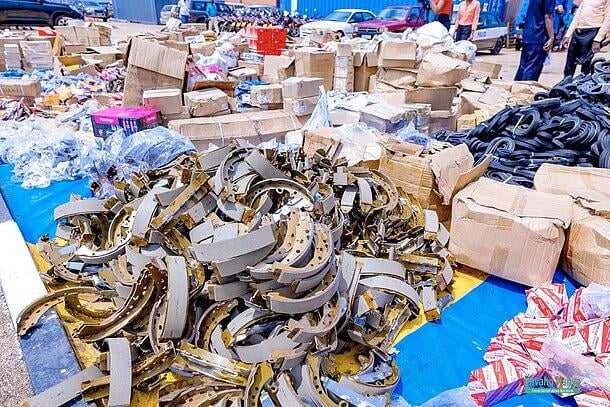
Leiria: A haul of fake brake and engine components has exposed how easily counterfeit goods slip into Europe’s roads, and the European Anti-Fraud Office helped shut the pipeline down. Acting on information the office supplied, Portugal’s food and economic safety authority raided premises in Vila Nova de Gaia, Leiria and Lisbon and uncovered 14,629 counterfeit items worth more than 600,000 euros.
The parts carried the branding of well-known truck makers, yet none came from those factories. Investigators traced the goods to illegal production in Turkiye, from where traders moved them into the single market and sold them as genuine components to unsuspecting buyers.
The office stresses that this case threatened lives, not just balance sheets. A counterfeit brake part or steering component can fail without warning, and a heavy goods vehicle that loses control endangers everyone on the road. Officials describe the seizure as a safety operation as much as an economic one.
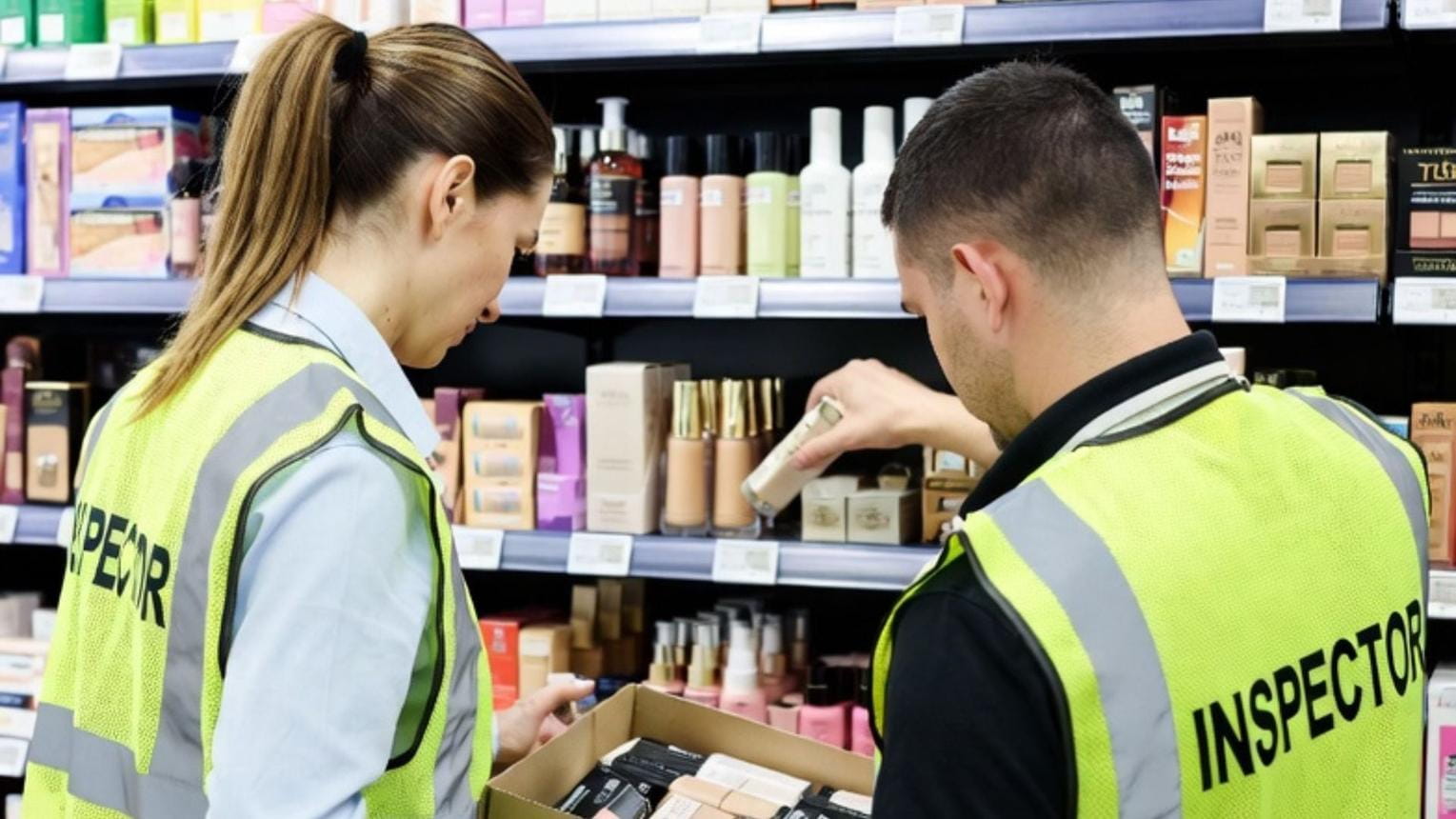
The anti-fraud office rarely makes arrests itself. Instead it gathers intelligence, links national authorities and brand owners across borders, and hands local investigators the evidence they need to act. In this operation it coordinated between Portuguese inspectors and the manufacturers whose names the counterfeiters had stolen, and that cooperation turned a tip into a courtroom-ready case.
The wider numbers explain why the office chases these networks so hard. Counterfeiting drains billions from legitimate companies each year, erodes the taxes that fund public services, and undercuts the consumer trust that a functioning market depends on. When fakes also carry a physical danger, the case for tough enforcement grows sharper still.
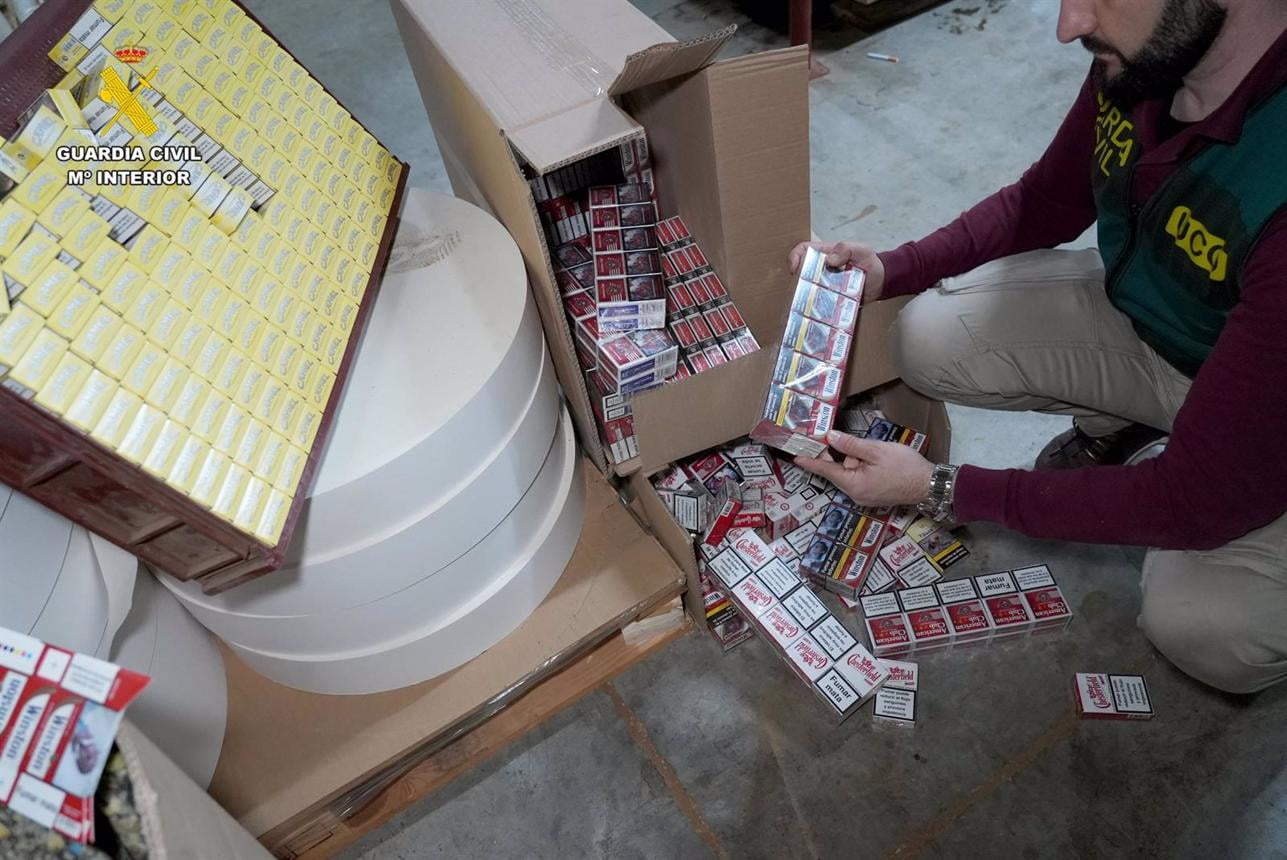
The office has widened its focus well beyond fake luxury handbags. Its recent operations span counterfeit vehicle parts, illicit tobacco, substandard food and the goods that flow through customs in defiance of sanctions, and each strand demands different partners and different tactics. Truck components mark one of the more dangerous frontiers because a hidden defect can kill.
Enforcement remains a game of scale. Investigators know they intercept only a fraction of the fakes that cross the Union’s borders, and every seizure doubles as a warning to the networks that a shipment might not reach its buyer. The office argues that visible action deters at least some of the trade, even when the full flow dwarfs any single raid.
For Portuguese authorities the operation delivered a clear result and a template. They removed thousands of dangerous parts from the supply chain, built a case against the traders, and showed how a European tip can trigger a national crackdown. The office set out the details of the seizure in its own account of the operation, and it promises more of the same as the fakes keep coming.