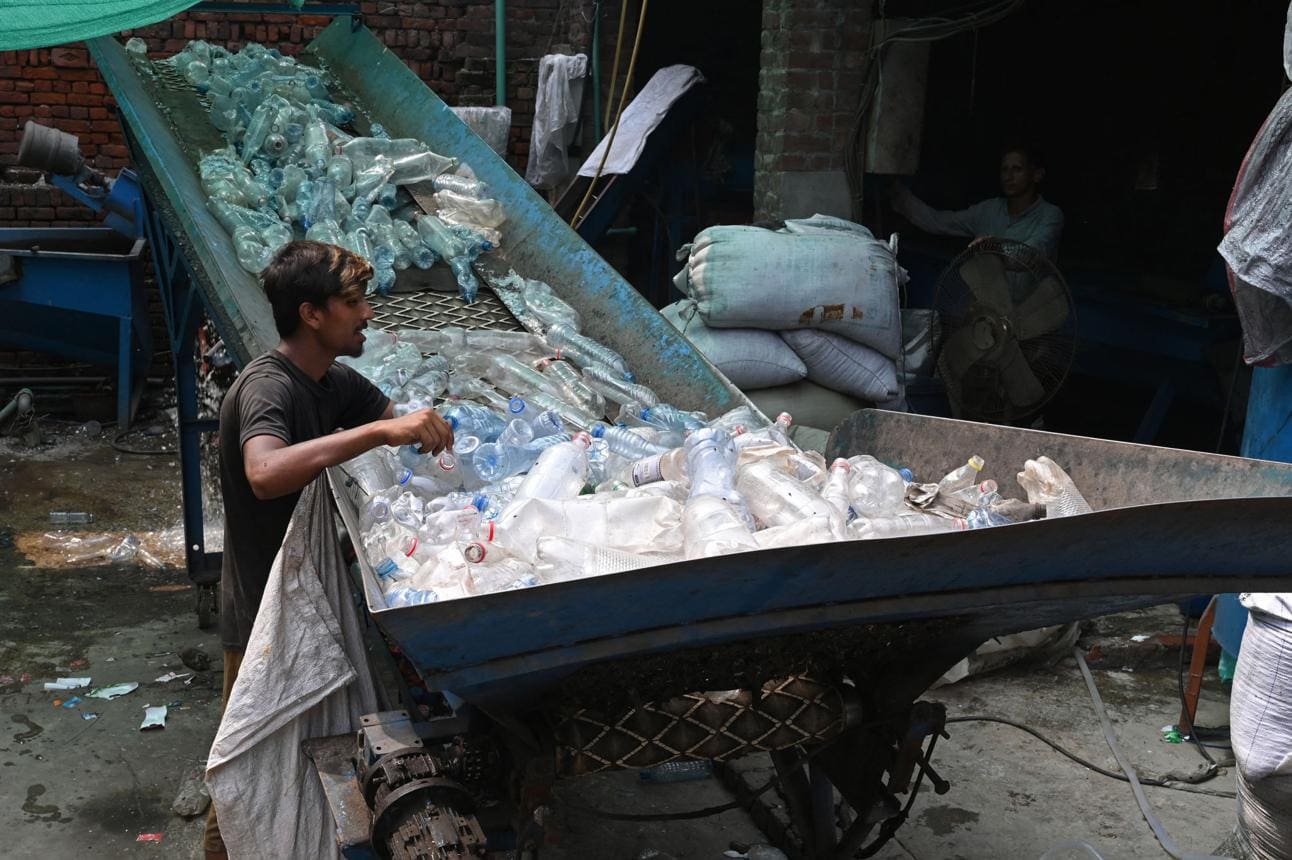
Rotterdam: In the sorting halls that ring this port city, baled plastic and shredded metal move through the system faster than anyone can find buyers for them. That mismatch is precisely what the European Commission hopes to fix with the Circular Economy Act, a flagship law it intends to table in the third quarter of this year and one of the more consequential pieces of the bloc’s industrial agenda.
The ambition behind the act is narrower and more practical than the slogans suggest. Rather than simply exhorting Europeans to recycle more, the Commission wants to build a genuine single market for secondary raw materials, the recovered plastics, paper, and metals that currently trade in a fragmented patchwork of national rules and inconsistent quality standards. A manufacturer in one member state often cannot trust that recycled feedstock sourced from another meets the grade its products require, so it reaches for virgin material instead. Multiply that hesitation across thousands of supply chains and the result is a continent that recovers a great deal of waste yet circulates very little of it back into production.
The headline target is to double the EU’s circular material use rate by 2030, a figure that has barely moved in recent years and sits well below where officials believe a resource-poor continent ought to be. Achieving it means tackling both sides of the ledger at once. On supply, the act is expected to push for harmonised quality criteria so that recycled content can move across borders as confidently as any other commodity. On demand, the Commission is weighing measures that would oblige certain products to contain minimum shares of recovered material, giving recyclers the predictable orders they say they need before investing in new capacity.
The timing is no accident. The Packaging and Packaging Waste Regulation, adopted last year, begins to apply on the twelfth of August, introducing bloc-wide rules on minimisation, reuse, recyclability, and recycled content. Industry groups have spent months preparing for that deadline, and the Circular Economy Act is meant to extend the same logic well beyond packaging into construction materials, vehicles, and electronics. Officials frame the package as a pillar of the Clean Industrial Deal and the Competitiveness Compass, arguing that cutting reliance on imported raw materials is now as much a question of economic security as of environmental housekeeping.
Not everyone is convinced the design will hold together. Recyclers warn that mandatory recycled-content rules are worthless without parallel investment in collection and sorting infrastructure, and that a flood of cheap virgin plastic can undercut the whole market overnight. Manufacturers, for their part, fear that rigid quality thresholds could leave them unable to source enough compliant material to meet the very obligations the law imposes. Brand owners with global supply chains worry about a thicket of new design and labelling demands landing faster than their suppliers can adapt.
Those tensions will shape the negotiations to come. What is clear is that the Commission has chosen to treat waste less as a disposal problem and more as a strategic input the continent can no longer afford to squander. Whether the act can turn that conviction into functioning markets, rather than another layer of well-intentioned rules, will be the test the sorting halls here ultimately apply.