Freiburg: In this sun-catching corner of the Black Forest, rooftops bristle with panels and the local grid runs green for hours at a stretch. The city has long served as a showcase for what clean power can do. New figures suggest the rest of the continent is finally catching up to its example, as renewable electricity reaches record heights.
Eurostat reports that renewable sources delivered 46 percent of the bloc’s electricity in the first quarter of 2026. That share climbed from 42.7 percent a year earlier, a jump driven by strong wind, a wet spring for hydro plants and a relentless build-out of solar. Public photovoltaic output hit its highest level ever for the first half of the year.
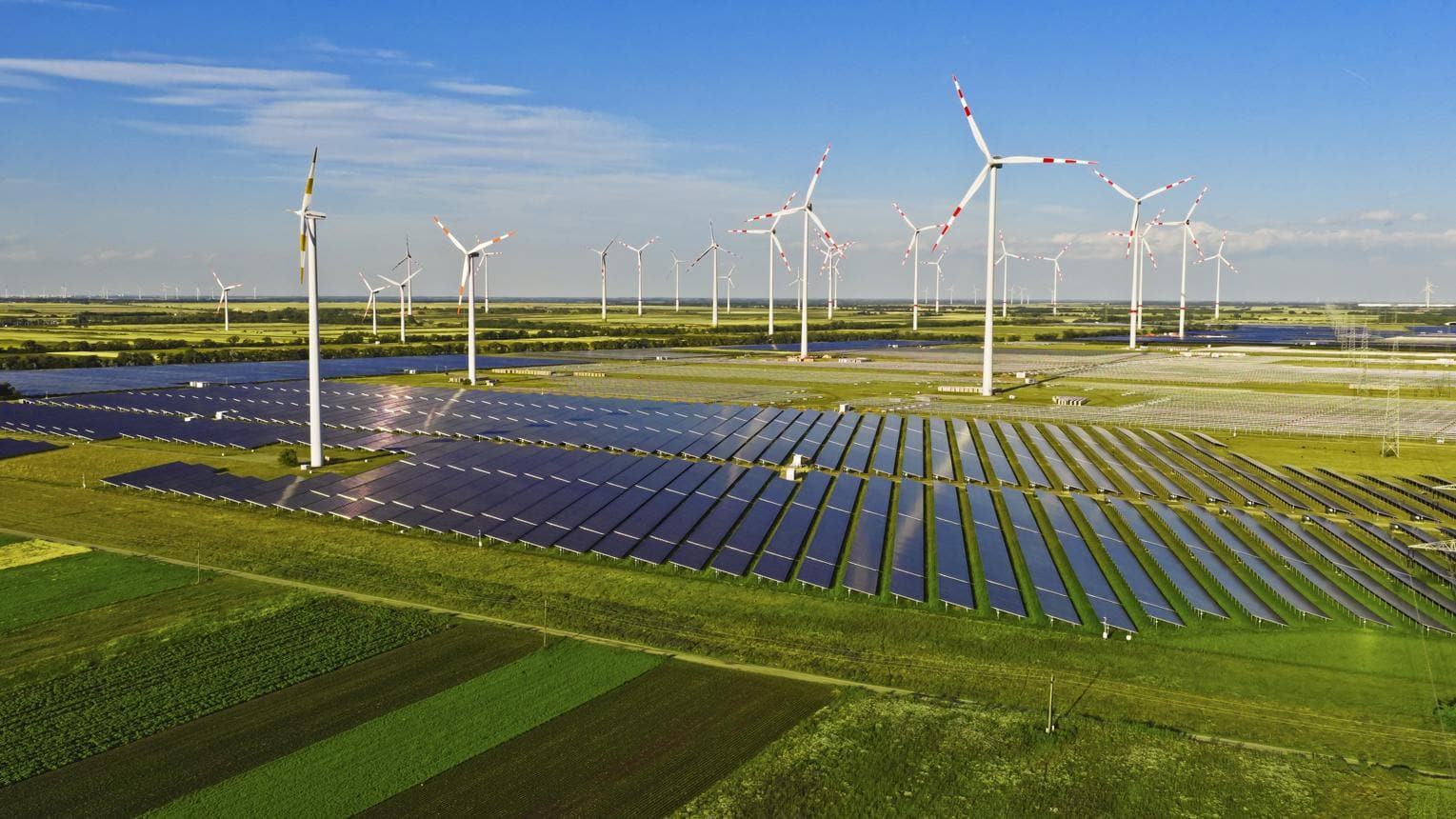
The quarterly snapshot fits a longer story. Analysts at the think tank Ember found that wind and solar together generated 30 percent of the bloc’s power across 2025, edging past fossil fuels for the first time on record. Solar alone produced 369 terawatt-hours, a fifth more than the year before, and overtook both coal and hydro.
Fourteen of the twenty-seven member states now draw more electricity from wind and solar than from all fossil plants combined. The shift redraws the map of energy politics, because countries that once imported coal and gas increasingly run on power made at home. Every panel and turbine trims an import bill and a security risk at the same time.
The rapid rise brings its own headaches. Grids strain to move electricity from windy coasts to distant cities, and prices sometimes turn negative when the sun blazes and demand sags. Operators warn that storage and new cables must keep pace, or the surplus clean power will spill to waste on the sunniest afternoons.
Policymakers see the numbers as proof that their climate targets remain within reach. The bloc aims to source at least 42.5 percent of all energy from renewables by 2030, and the electricity figures already clear that bar. The harder work now shifts to heating, transport and heavy industry, where fossil fuels still dominate.
For a place like Freiburg, the milestone feels less like a finish line than a vindication. The tools that once marked the city as an outlier now spread across the continent. The question is no longer whether renewables can carry the load, but how fast the grid can be rebuilt to let them.
Industry groups warn against complacency all the same. A single windless, overcast fortnight can still send operators scrambling for gas, and the bloc leans on imported turbines and panels that carry their own supply risks. Clearing nearly half the grid with clean power is a milestone worth marking, they say, yet the last stretch will prove the steepest to climb.