Tampere: As the European Commission gathers stakeholders to shape its forthcoming Circular Economy Act, the campaigners who spent years fighting for the right to repair are raising an early alarm. Their complaint is blunt. The flagship law meant to close the loop on Europe’s material economy, they argue, is being drafted around recycling and secondary raw materials while saying remarkably little about repair and reuse, the steps that keep products in service in the first place.
The Act, due for adoption this year, is built on a clear economic logic. Europe imports vast quantities of the metals, polymers and fibres that feed its industry, and every tonne recovered domestically is a tonne not bought from a volatile global market. The Commission wants to create a genuine single market for secondary raw materials, lifting both the supply of high-quality recycled content and the demand for it, so that recovered material competes on equal terms with virgin stock rather than languishing as a more expensive afterthought. For an economy anxious about resource dependence, the appeal is as much about security as sustainability.
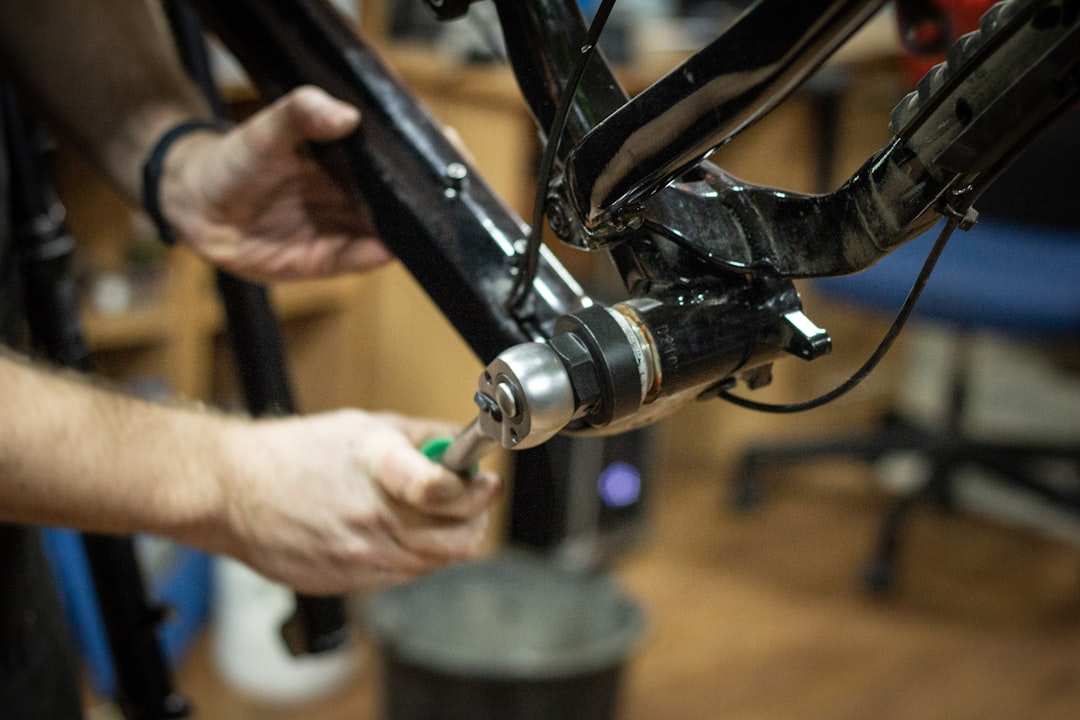
Repair advocates do not dispute that logic. Their worry is one of sequence. The waste hierarchy that underpins EU environmental law puts prevention and reuse above recycling for a reason. A device repaired is a device that never enters the waste stream, sparing not only the material but the energy and emissions embedded in making a replacement. A law that pours its ambition into recovering materials from discarded products, while treating the extension of product life as a secondary concern, risks optimising the back end of the system at the expense of the front.
The timing sharpens the point. The Packaging and Packaging Waste Regulation, which entered force in early 2025, begins to apply in August and will reshape how packaging is designed, composed and recovered across the bloc. Separately, the Repair Directive adopted in 2024 starts to bite at the end of July, obliging manufacturers to fix goods within a reasonable time and at a reasonable price and nudging product lifecycles longer. The pieces of a circular framework are arriving in close succession, which is exactly why campaigners want the new Act to knit them together rather than lean so heavily toward the recycling end.
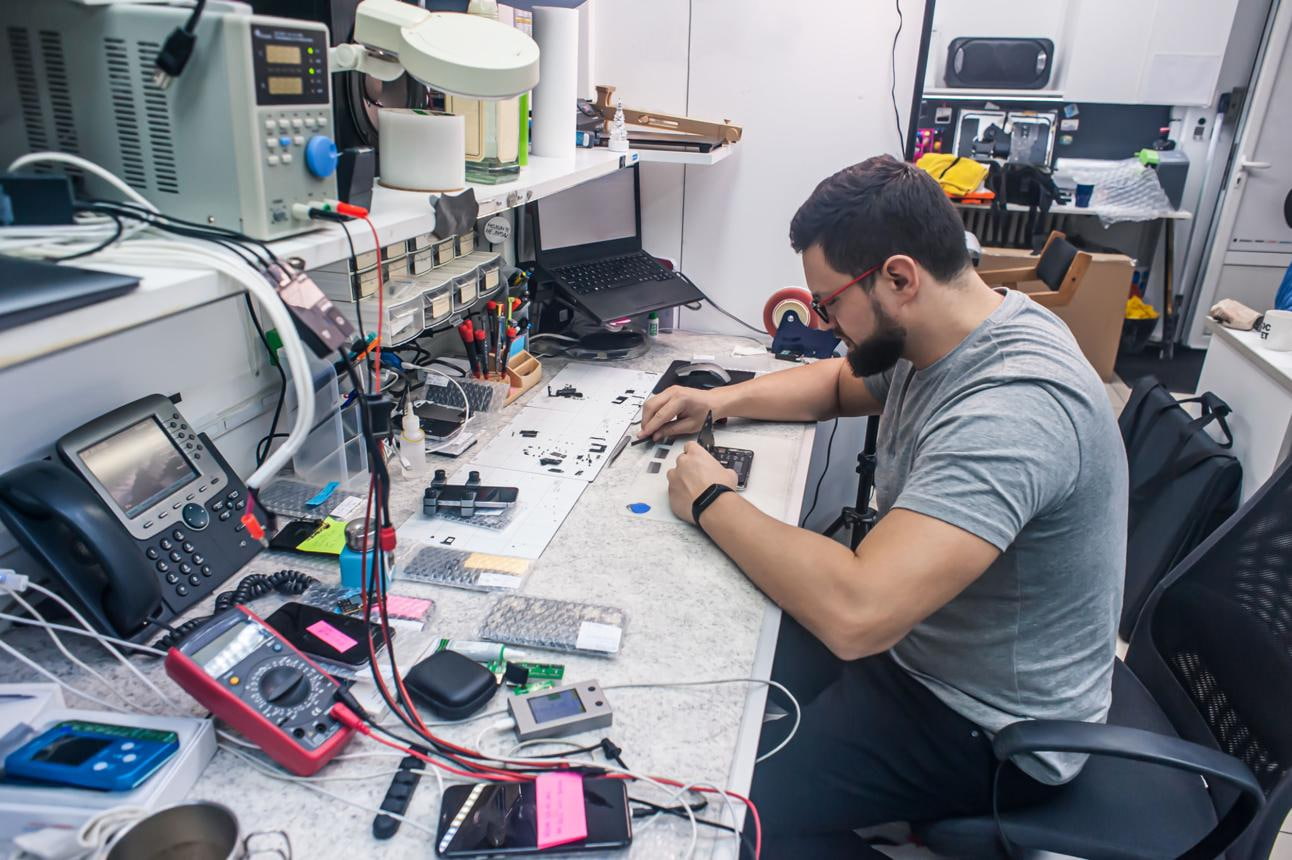
There is a competitiveness argument folded inside the environmental one. A robust repair economy is labour-intensive and local in a way that material recovery often is not. Independent workshops, refurbishers and spare-parts suppliers employ people in towns across the continent and keep value circulating domestically. A circular strategy that prioritises industrial-scale recycling without nurturing this distributed repair sector captures some of the material benefit while leaving the employment dividend on the table.
The Commission’s stakeholder process is the moment when these priorities get weighted, and the early signals from the repair coalition suggest they intend to push hard for reuse and repair to be written into the Act’s core rather than acknowledged in its preamble. Whether they succeed depends on how the Commission reconciles two defensible goals that pull in slightly different directions, securing raw materials for industry and keeping finished products alive in households and businesses.
The broader test is whether Europe can treat circularity as a single system rather than a set of parallel files. Recycling, packaging rules and repair obligations all serve the same end, but only if they are designed to reinforce one another. The coming months will reveal whether the Circular Economy Act becomes the connective tissue its name implies, or another well-intentioned law that closes one loop while leaving another open.