August 9, 2026
LATEST
New EU Gas Market Rules Take Effect With Consumer SafeguardsDeforestation Regulation Holds Its December Deadline Despite CutsDigital Omnibus Delays Europe’s High-Risk AI Deadline to 2027Europe’s Schools Confront a Widening Basic Skills GapRule of Law Report Finds Progress but Trust Still LagsIRIS2 Gains 66 Satellites as Brussels Signs the Rollout DealNature Restoration Plans Come Due as Member States Race a DeadlineECB Rates Hold at 2.25 Percent as Frankfurt Waits on the DataEU Budget Talks Turn to Cohesion as Ireland Takes OverWildfire Response Stretches Europe’s Emergency Fleet ThinCan Europe’s Quantum Plan Match Its Big Ambitions?Armenia Edges West as Moscow’s Grip Slips AwayEurope Inherits the World’s Aid Bill It Cannot Fully PayAir Passenger Rights Get Their First Overhaul in Two DecadesErasmus Opens a 5 Billion Euro Round for Skills and MobilityCeuta Crisis Pushes the EU Toward Faster Migrant ReturnsBulky Parcels Face a Packaging Crackdown From August 12Can Europe Build Its Drone Wall Before 2030 Arrives?Indonesia’s Trade Deal With Europe Nears Its Final SignatureEurope Leans on Beijing to Keep Climate Talks Alive Before AntalyaNew EU Gas Market Rules Take Effect With Consumer SafeguardsDeforestation Regulation Holds Its December Deadline Despite CutsDigital Omnibus Delays Europe’s High-Risk AI Deadline to 2027Europe’s Schools Confront a Widening Basic Skills GapRule of Law Report Finds Progress but Trust Still LagsIRIS2 Gains 66 Satellites as Brussels Signs the Rollout DealNature Restoration Plans Come Due as Member States Race a DeadlineECB Rates Hold at 2.25 Percent as Frankfurt Waits on the DataEU Budget Talks Turn to Cohesion as Ireland Takes OverWildfire Response Stretches Europe’s Emergency Fleet ThinCan Europe’s Quantum Plan Match Its Big Ambitions?Armenia Edges West as Moscow’s Grip Slips AwayEurope Inherits the World’s Aid Bill It Cannot Fully PayAir Passenger Rights Get Their First Overhaul in Two DecadesErasmus Opens a 5 Billion Euro Round for Skills and MobilityCeuta Crisis Pushes the EU Toward Faster Migrant ReturnsBulky Parcels Face a Packaging Crackdown From August 12Can Europe Build Its Drone Wall Before 2030 Arrives?Indonesia’s Trade Deal With Europe Nears Its Final SignatureEurope Leans on Beijing to Keep Climate Talks Alive Before Antalya
August 9, 2026
LATEST
New EU Gas Market Rules Take Effect With Consumer SafeguardsDeforestation Regulation Holds Its December Deadline Despite CutsDigital Omnibus Delays Europe’s High-Risk AI Deadline to 2027Europe’s Schools Confront a Widening Basic Skills GapRule of Law Report Finds Progress but Trust Still LagsIRIS2 Gains 66 Satellites as Brussels Signs the Rollout DealNature Restoration Plans Come Due as Member States Race a DeadlineECB Rates Hold at 2.25 Percent as Frankfurt Waits on the DataEU Budget Talks Turn to Cohesion as Ireland Takes OverWildfire Response Stretches Europe’s Emergency Fleet ThinCan Europe’s Quantum Plan Match Its Big Ambitions?Armenia Edges West as Moscow’s Grip Slips AwayEurope Inherits the World’s Aid Bill It Cannot Fully PayAir Passenger Rights Get Their First Overhaul in Two DecadesErasmus Opens a 5 Billion Euro Round for Skills and MobilityCeuta Crisis Pushes the EU Toward Faster Migrant ReturnsBulky Parcels Face a Packaging Crackdown From August 12Can Europe Build Its Drone Wall Before 2030 Arrives?Indonesia’s Trade Deal With Europe Nears Its Final SignatureEurope Leans on Beijing to Keep Climate Talks Alive Before AntalyaNew EU Gas Market Rules Take Effect With Consumer SafeguardsDeforestation Regulation Holds Its December Deadline Despite CutsDigital Omnibus Delays Europe’s High-Risk AI Deadline to 2027Europe’s Schools Confront a Widening Basic Skills GapRule of Law Report Finds Progress but Trust Still LagsIRIS2 Gains 66 Satellites as Brussels Signs the Rollout DealNature Restoration Plans Come Due as Member States Race a DeadlineECB Rates Hold at 2.25 Percent as Frankfurt Waits on the DataEU Budget Talks Turn to Cohesion as Ireland Takes OverWildfire Response Stretches Europe’s Emergency Fleet ThinCan Europe’s Quantum Plan Match Its Big Ambitions?Armenia Edges West as Moscow’s Grip Slips AwayEurope Inherits the World’s Aid Bill It Cannot Fully PayAir Passenger Rights Get Their First Overhaul in Two DecadesErasmus Opens a 5 Billion Euro Round for Skills and MobilityCeuta Crisis Pushes the EU Toward Faster Migrant ReturnsBulky Parcels Face a Packaging Crackdown From August 12Can Europe Build Its Drone Wall Before 2030 Arrives?Indonesia’s Trade Deal With Europe Nears Its Final SignatureEurope Leans on Beijing to Keep Climate Talks Alive Before Antalya

Repair Rights Become Law as the Clock Runs Down on Producers

Ljubljana: For years the cheapest answer to a broken washing machine or a cracked phone screen has been to throw it away. From the end of July, European law starts to tilt that calculation the other way.

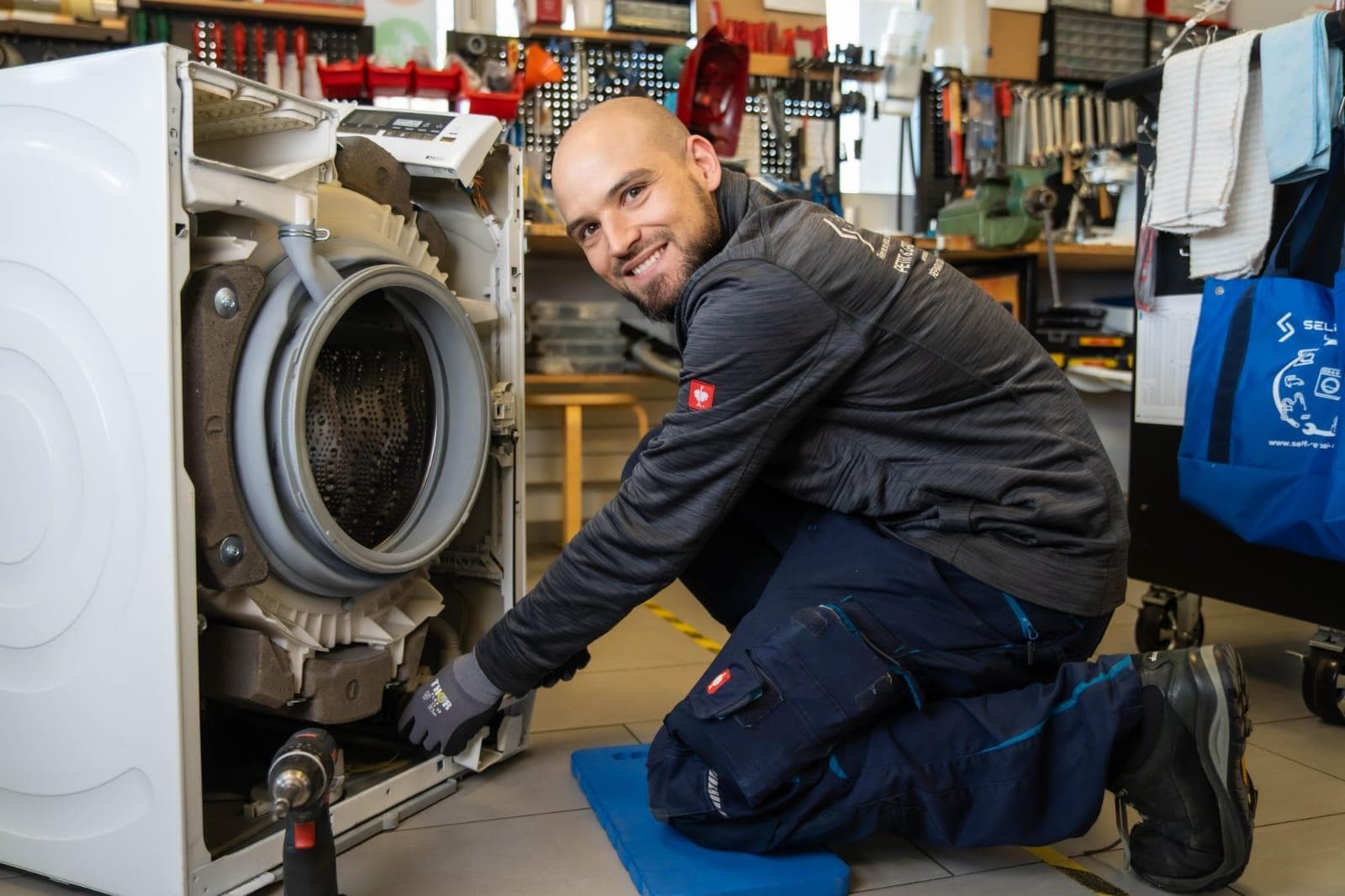
The Right to Repair Directive, which member states were meant to transpose by 31 July 2025 and which applies from 31 July 2026, obliges manufacturers to fix common household goods ‘within a reasonable time and at a reasonable price’ even after the legal guarantee has expired. It covers products already subject to EU repairability rules, including washing machines, dishwashers, fridges, vacuum cleaners and certain phones and tablets, with the list expected to grow.

The mechanics matter more than the slogan. Makers must offer spare parts and tools at non-prohibitive prices, and they are barred from using contract terms, hardware tricks or software locks to stop independent repairers or owners from carrying out fixes. A European online platform will let consumers find repairers and refurbished goods nearby. And when a buyer chooses repair over replacement under guarantee, the guarantee is extended by a year, a nudge meant to make mending the default rather than the chore.

The environmental logic is straightforward. The Commission estimates that premature disposal of viable goods generates millions of tonnes of waste a year, and that repair keeps materials and embedded carbon in use for longer. For households squeezed by inflation, a cheaper, enforceable route to repair is also a cost-of-living measure dressed as climate policy.

Yet the directive lands with several member states behind schedule. The transposition deadline passed in 2025 with a number of capitals yet to write the rules into national law, raising the prospect that consumers in some countries will enjoy stronger repair rights than others when the application date arrives. The Commission can open infringement proceedings against laggards, but that process is slow, and uneven implementation undercuts the single-market promise of one repair standard from Ljubljana to Lisbon.

Manufacturers raise practical objections. Stocking spare parts for years ties up capital, and some argue that for cheap electronics the cost of a compliant repair will still exceed the price of a new unit, leaving the right unused in practice. Independent repairers welcome the access rules but warn that ‘reasonable price’ is undefined and will be fought over case by case. Critics on the other side say the directive should have gone further, covering more product categories and curbing the design choices, from glued batteries to soldered components, that make repair hard in the first place.

The next year will show whether the law changes behaviour or merely paperwork. Much rests on enforcement and on whether the promised repair platform proves useful enough to shift habits. The directive cannot force anyone to mend instead of buy. What it can do is remove the obstacles that long made repair the harder, costlier choice, and see whether Europeans, given the option, take it.