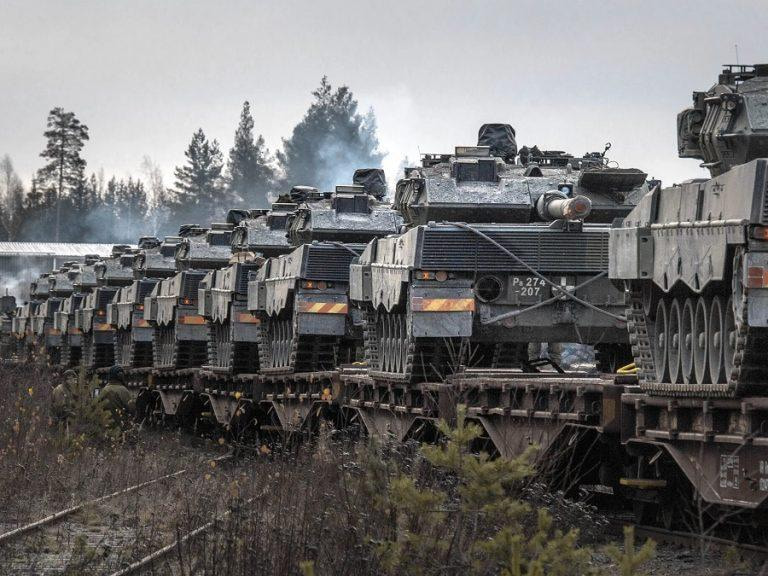
Brussels: The uncomfortable truth that has gripped European planners is deceptively mundane. The Union can debate weapons programmes and spending targets for hours, but if a tank cannot cross a bridge or clear a customs post in time, none of it counts. Moving heavy armour from the western ports where it lands to the eastern frontier where it might be needed remains slow, tangled in paperwork and blocked by infrastructure that was poured for commercial lorries, not sixty-tonne fighting vehicles. Fixing that is the unglamorous heart of the bloc’s military mobility drive.
The strategy now taking shape rests on a small number of priority corridors that knit together rail, road, sea and air routes across the continent. Within them, planners have identified hundreds of so-called hotspot projects, the specific bridges, tunnels, ports and terminals that would buckle or bottleneck under the weight of a real military movement. The figure officials cite is around five hundred such dual-use upgrades, each one a railway tunnel to be widened or a quayside to be reinforced so that civilian infrastructure can carry soldiers and equipment at short notice.
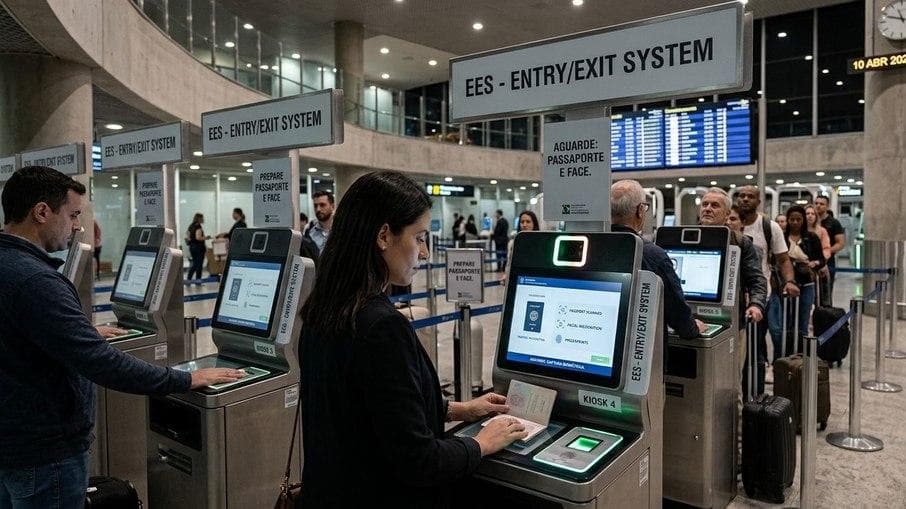
Steel and concrete are only half the problem. The other half is bureaucracy. A convoy crossing several member states today can be held up by a thicket of national permits, each with its own forms and timelines, turning what should be a rapid deployment into a paperwork marathon. The answer on the table is standardisation: harmonised digital permits and standing clearances designed to compress approval times to a matter of a few working days rather than weeks. In a genuine crisis, that compression could decide whether reinforcements arrive in time to matter.
None of this is cheap, and the financing question runs straight into the larger fight over the Union’s next long-term budget. Upgrading corridors and clearing bottlenecks competes with every other priority for the same scarce euros, and lawmakers in the Parliament have pushed for the money to favour European suppliers, insisting that a programme justified by strategic autonomy should not quietly enrich firms outside the continent. The legislative pieces of the package are expected to be finalised over the coming months, with officials aiming for a functioning Union-wide mobility area by the end of next year.
The ambition reflects how far thinking has shifted. For most of the Union’s history, transport policy existed to move goods and holidaymakers efficiently, and dual military use was an afterthought. The return of large-scale territorial threat on Europe’s eastern edge has forced governments to look at their own road and rail networks through a soldier’s eyes and find them wanting. A bridge rated for ordinary freight may simply collapse under a column of armour.
There is a deeper lesson buried in the engineering. Deterrence is not only about how many weapons a continent owns but about how fast it can put them where they are needed. An alliance that cannot move is an alliance that can be picked apart at leisure. By treating logistics as seriously as firepower, Europe is conceding a point its strategists long preferred to avoid, that the slow, expensive work of reinforcing a tunnel may end up mattering as much as any missile.