August 9, 2026
LATEST
New EU Gas Market Rules Take Effect With Consumer SafeguardsDeforestation Regulation Holds Its December Deadline Despite CutsDigital Omnibus Delays Europe’s High-Risk AI Deadline to 2027Europe’s Schools Confront a Widening Basic Skills GapRule of Law Report Finds Progress but Trust Still LagsIRIS2 Gains 66 Satellites as Brussels Signs the Rollout DealNature Restoration Plans Come Due as Member States Race a DeadlineECB Rates Hold at 2.25 Percent as Frankfurt Waits on the DataEU Budget Talks Turn to Cohesion as Ireland Takes OverWildfire Response Stretches Europe’s Emergency Fleet ThinCan Europe’s Quantum Plan Match Its Big Ambitions?Armenia Edges West as Moscow’s Grip Slips AwayEurope Inherits the World’s Aid Bill It Cannot Fully PayAir Passenger Rights Get Their First Overhaul in Two DecadesErasmus Opens a 5 Billion Euro Round for Skills and MobilityCeuta Crisis Pushes the EU Toward Faster Migrant ReturnsBulky Parcels Face a Packaging Crackdown From August 12Can Europe Build Its Drone Wall Before 2030 Arrives?Indonesia’s Trade Deal With Europe Nears Its Final SignatureEurope Leans on Beijing to Keep Climate Talks Alive Before AntalyaNew EU Gas Market Rules Take Effect With Consumer SafeguardsDeforestation Regulation Holds Its December Deadline Despite CutsDigital Omnibus Delays Europe’s High-Risk AI Deadline to 2027Europe’s Schools Confront a Widening Basic Skills GapRule of Law Report Finds Progress but Trust Still LagsIRIS2 Gains 66 Satellites as Brussels Signs the Rollout DealNature Restoration Plans Come Due as Member States Race a DeadlineECB Rates Hold at 2.25 Percent as Frankfurt Waits on the DataEU Budget Talks Turn to Cohesion as Ireland Takes OverWildfire Response Stretches Europe’s Emergency Fleet ThinCan Europe’s Quantum Plan Match Its Big Ambitions?Armenia Edges West as Moscow’s Grip Slips AwayEurope Inherits the World’s Aid Bill It Cannot Fully PayAir Passenger Rights Get Their First Overhaul in Two DecadesErasmus Opens a 5 Billion Euro Round for Skills and MobilityCeuta Crisis Pushes the EU Toward Faster Migrant ReturnsBulky Parcels Face a Packaging Crackdown From August 12Can Europe Build Its Drone Wall Before 2030 Arrives?Indonesia’s Trade Deal With Europe Nears Its Final SignatureEurope Leans on Beijing to Keep Climate Talks Alive Before Antalya
August 9, 2026
LATEST
New EU Gas Market Rules Take Effect With Consumer SafeguardsDeforestation Regulation Holds Its December Deadline Despite CutsDigital Omnibus Delays Europe’s High-Risk AI Deadline to 2027Europe’s Schools Confront a Widening Basic Skills GapRule of Law Report Finds Progress but Trust Still LagsIRIS2 Gains 66 Satellites as Brussels Signs the Rollout DealNature Restoration Plans Come Due as Member States Race a DeadlineECB Rates Hold at 2.25 Percent as Frankfurt Waits on the DataEU Budget Talks Turn to Cohesion as Ireland Takes OverWildfire Response Stretches Europe’s Emergency Fleet ThinCan Europe’s Quantum Plan Match Its Big Ambitions?Armenia Edges West as Moscow’s Grip Slips AwayEurope Inherits the World’s Aid Bill It Cannot Fully PayAir Passenger Rights Get Their First Overhaul in Two DecadesErasmus Opens a 5 Billion Euro Round for Skills and MobilityCeuta Crisis Pushes the EU Toward Faster Migrant ReturnsBulky Parcels Face a Packaging Crackdown From August 12Can Europe Build Its Drone Wall Before 2030 Arrives?Indonesia’s Trade Deal With Europe Nears Its Final SignatureEurope Leans on Beijing to Keep Climate Talks Alive Before AntalyaNew EU Gas Market Rules Take Effect With Consumer SafeguardsDeforestation Regulation Holds Its December Deadline Despite CutsDigital Omnibus Delays Europe’s High-Risk AI Deadline to 2027Europe’s Schools Confront a Widening Basic Skills GapRule of Law Report Finds Progress but Trust Still LagsIRIS2 Gains 66 Satellites as Brussels Signs the Rollout DealNature Restoration Plans Come Due as Member States Race a DeadlineECB Rates Hold at 2.25 Percent as Frankfurt Waits on the DataEU Budget Talks Turn to Cohesion as Ireland Takes OverWildfire Response Stretches Europe’s Emergency Fleet ThinCan Europe’s Quantum Plan Match Its Big Ambitions?Armenia Edges West as Moscow’s Grip Slips AwayEurope Inherits the World’s Aid Bill It Cannot Fully PayAir Passenger Rights Get Their First Overhaul in Two DecadesErasmus Opens a 5 Billion Euro Round for Skills and MobilityCeuta Crisis Pushes the EU Toward Faster Migrant ReturnsBulky Parcels Face a Packaging Crackdown From August 12Can Europe Build Its Drone Wall Before 2030 Arrives?Indonesia’s Trade Deal With Europe Nears Its Final SignatureEurope Leans on Beijing to Keep Climate Talks Alive Before Antalya

Tiny Online Parcels Will Carry A Three-Euro Charge From July

Lille: This northern French city is about to become the nerve centre of the biggest overhaul of European customs since the union was founded in 1968, and the first sign of the change will land in shoppers’ letterboxes within weeks. From the start of July, a flat customs duty of three euros will apply to each low-value parcel worth less than one hundred and fifty euros arriving from outside the Union, the opening move in a reform meant to tame an e-commerce flood that has overwhelmed Europe’s borders.

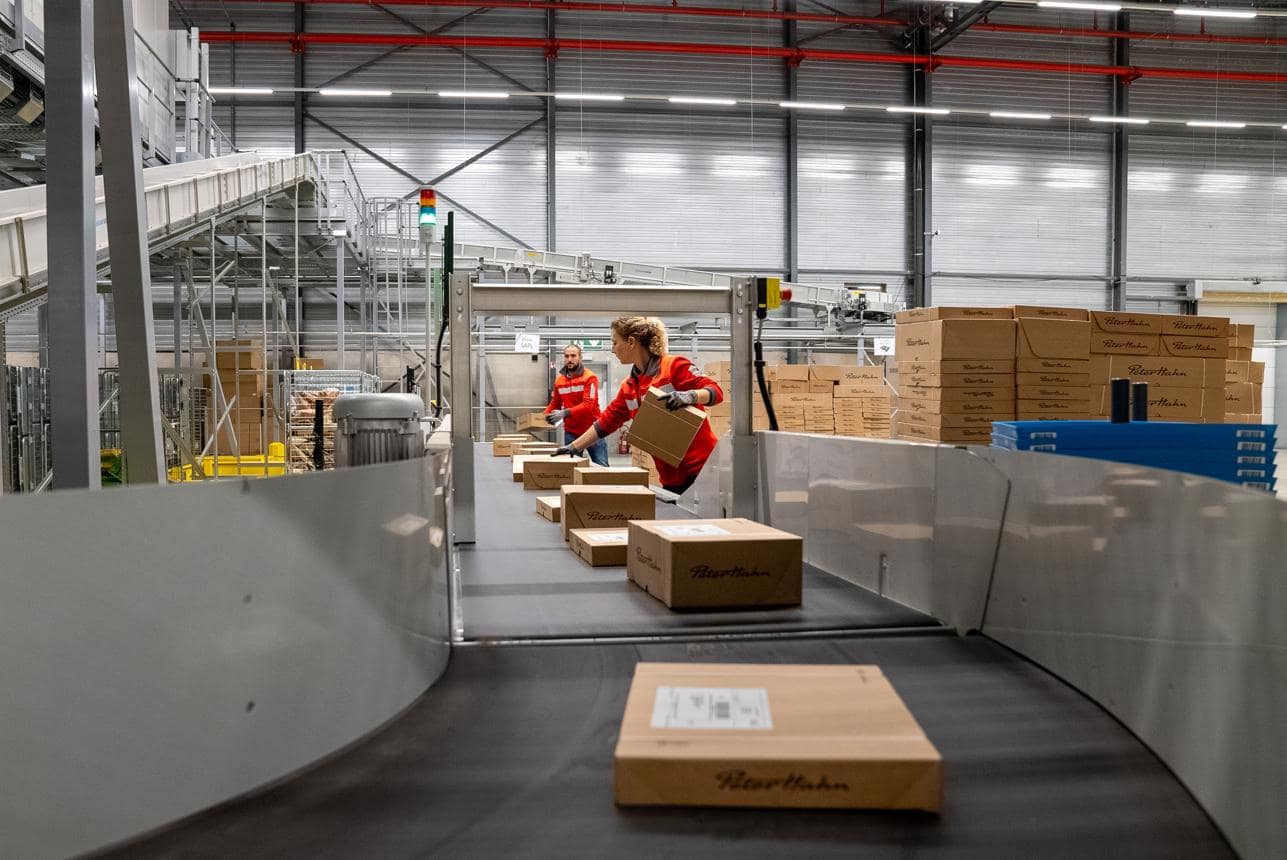
The numbers behind the decision are striking. Billions of small packages now enter the bloc every year, the overwhelming majority of them from a handful of online marketplaces, and national customs services have had neither the staff nor the data to check more than a fraction. The old duty-free threshold for small consignments encouraged sellers to split shipments and undervalue goods, leaving the door open to unsafe products and lost revenue. The new per-parcel charge is designed to claw back some of that money and, just as importantly, to make the platforms rather than the consumer responsible for getting the paperwork right.

That shift in liability is the quiet heart of the reform. Under the agreement struck by the Council and Parliament in the spring, the marketplace or distance seller is treated as the importer, on the hook for customs formalities and payments that once fell on the unsuspecting recipient. For the giant platforms that have built their European businesses on cheap cross-border delivery, it is a significant new compliance burden, and one they will have little choice but to pass along in some form.

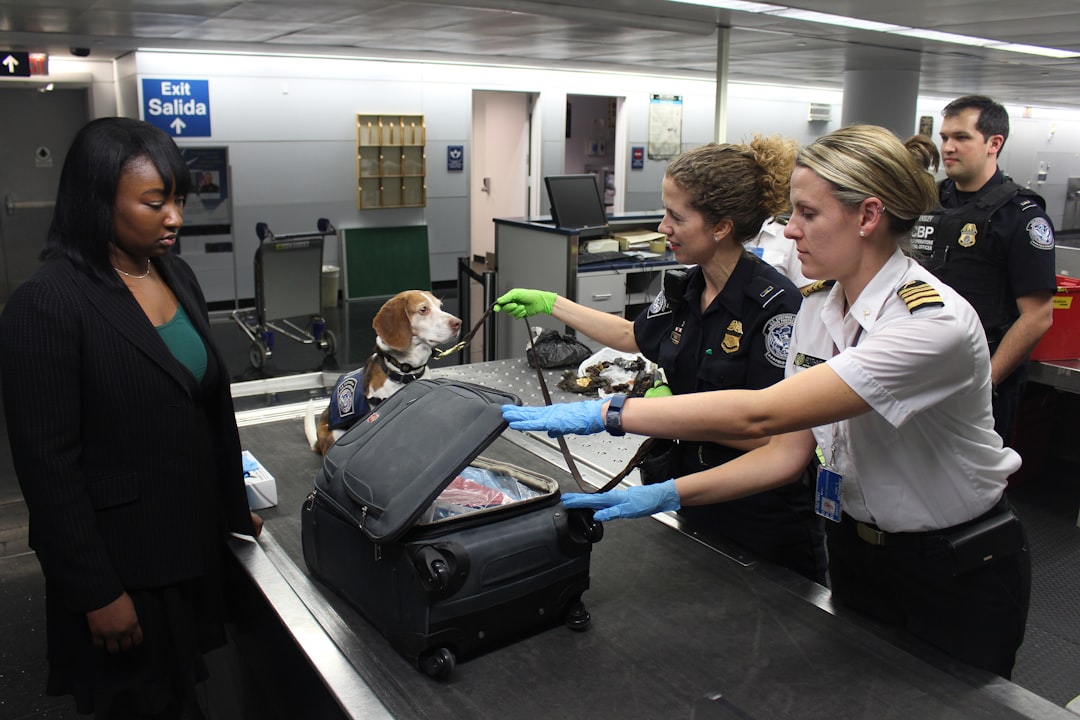
Underpinning everything is a new institution. A decentralised EU customs authority, to be based in Lille and staffed by some two hundred and eighty-five people, will oversee a single customs data hub through which traders submit product and customs information once, on one platform, rather than country by country. The authority will support the risk analysis carried out by national services, helping them spot dangerous or non-compliant goods before they slip through. The data hub becomes operational for e-commerce in mid-2028, with the rest of the trading world following over the following years.

Supporters call it a long-overdue modernisation of a system designed for an age of containers and paper forms, not of phones and same-week delivery from the other side of the planet. Businesses that play by the rules stand to benefit from faster, more predictable clearance, while consumers should see fewer dangerous items reaching their doors. The reform also closes a gap that honest European retailers have complained about for years, namely that they were undercut by importers who dodged the duties and safety checks the locals had to honour.

Not everyone is celebrating. Logistics firms warn of teething problems as systems are rewired, and some consumer advocates worry the three-euro charge will simply be absorbed into higher prices without a matching improvement in safety. The coming months, as the parcel duty takes effect and the new authority finds its feet, will show whether Europe has finally built a customs system equal to the volume of trade now crossing its frontiers.