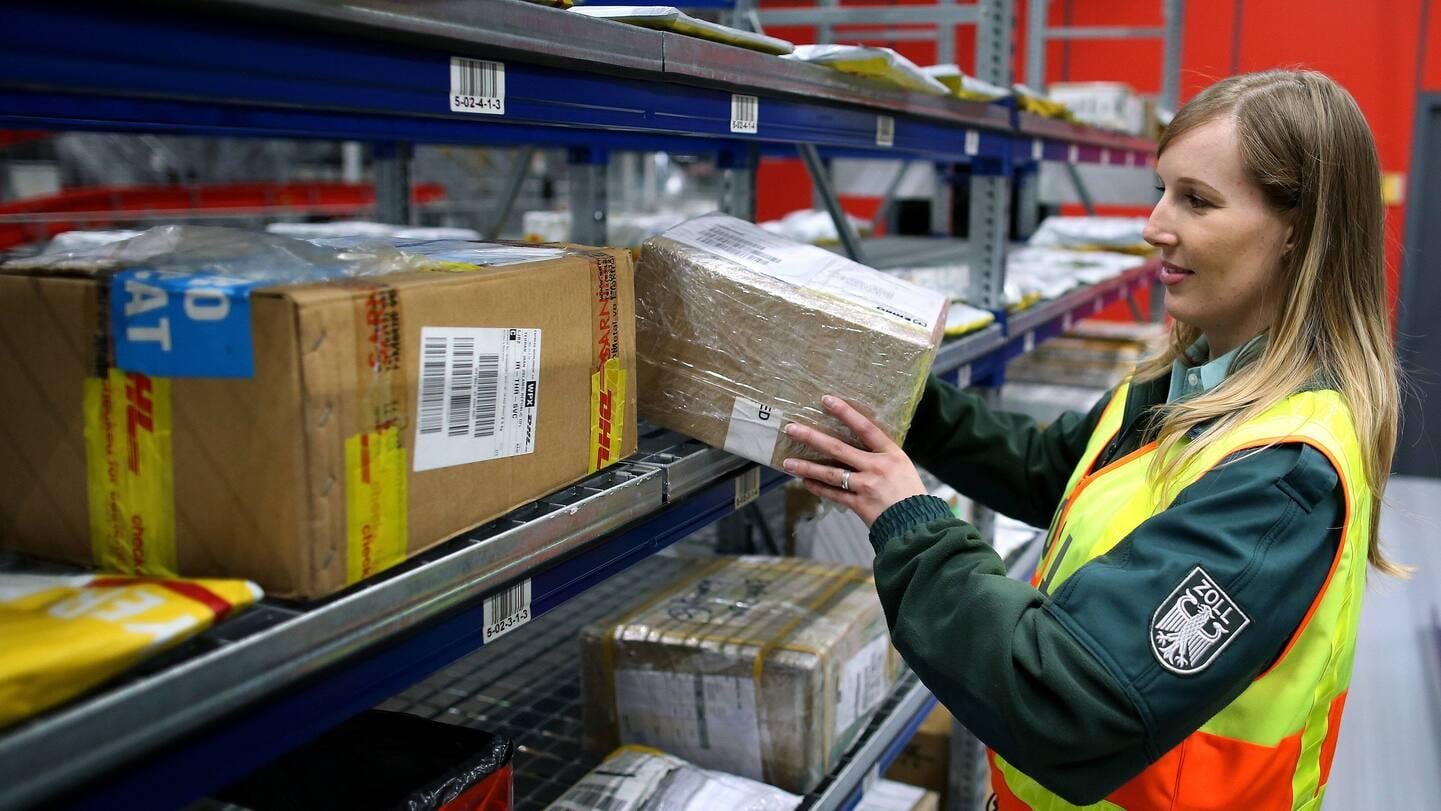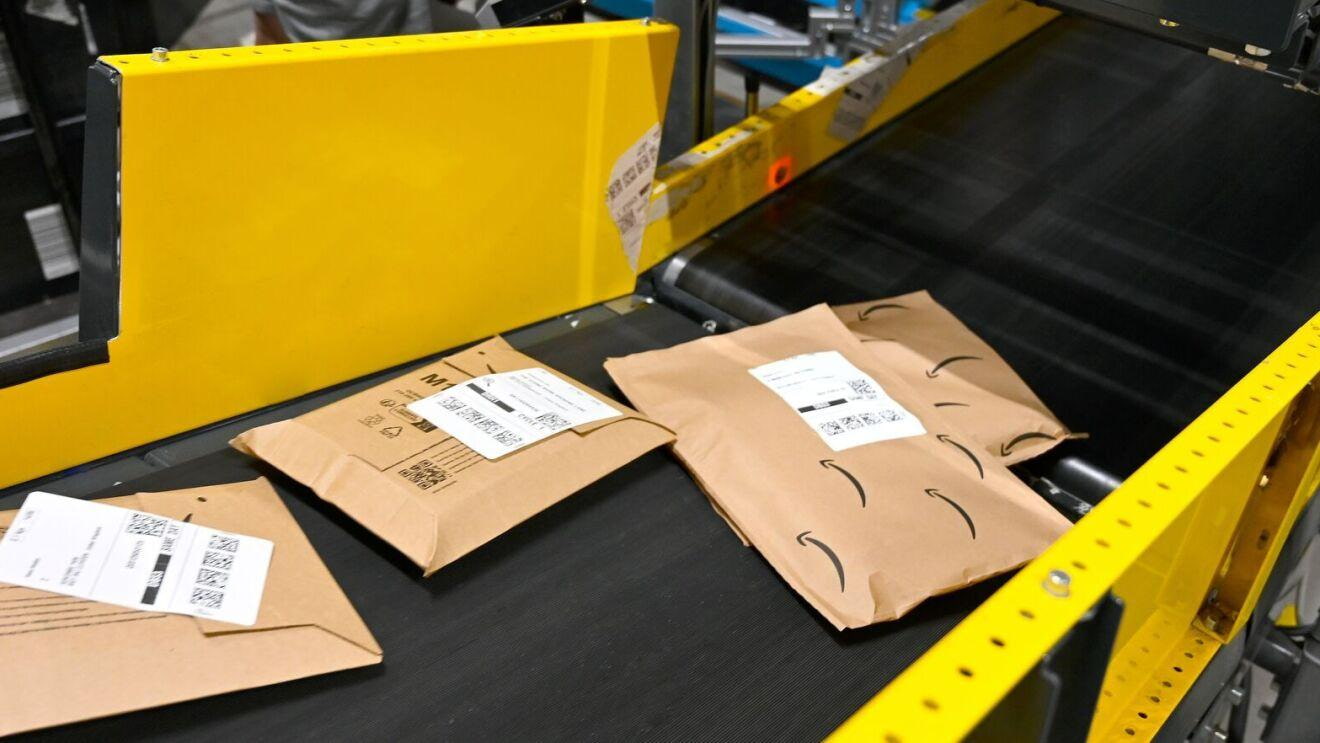
Liège: At the cavernous logistics hangars that ring this Belgian city, where millions of small packages from Asian online marketplaces are sorted each week, a quiet revolution in European trade is about to make itself felt. After more than two years of wrangling, the Council and Parliament agreed in March on the most sweeping overhaul of the customs union since it was founded in 1968, and the first concrete consequence arrives on 1 July, when the bloc’s long-standing exemption for cheap parcels begins to disappear.
For years, goods valued below 150 euros could enter the single market without paying customs duty, a threshold designed in a gentler era of postal commerce and now exploited by platforms shipping billions of low-cost items directly to European doorsteps. Last year alone, more than four billion such parcels crossed the bloc’s borders, the overwhelming majority of them undervalued, mislabelled or simply waved through by overstretched national officials. The reform replaces the exemption with a flat three-euro charge on each small consignment, and shifts the legal responsibility for collecting both that duty and the VAT onto the platforms themselves rather than the unsuspecting consumer who once met a surprise bill at the door.
The parcel fee is only the most visible piece of a far larger redesign. At its centre sits a new EU Customs Authority, to be headquartered in Lille, and an accompanying EU Customs Data Hub that negotiators describe as the engine of the entire system. Instead of forty-four separate national computer systems and a blizzard of paper declarations, traders will eventually file product and shipment information once, through a single online portal, and authorities across all twenty-seven member states will draw on the same real-time picture. The agency’s job will be to comb that shared data for the riskiest cargo, flagging dangerous, counterfeit or sanctions-busting goods for inspection before they ever reach a warehouse.
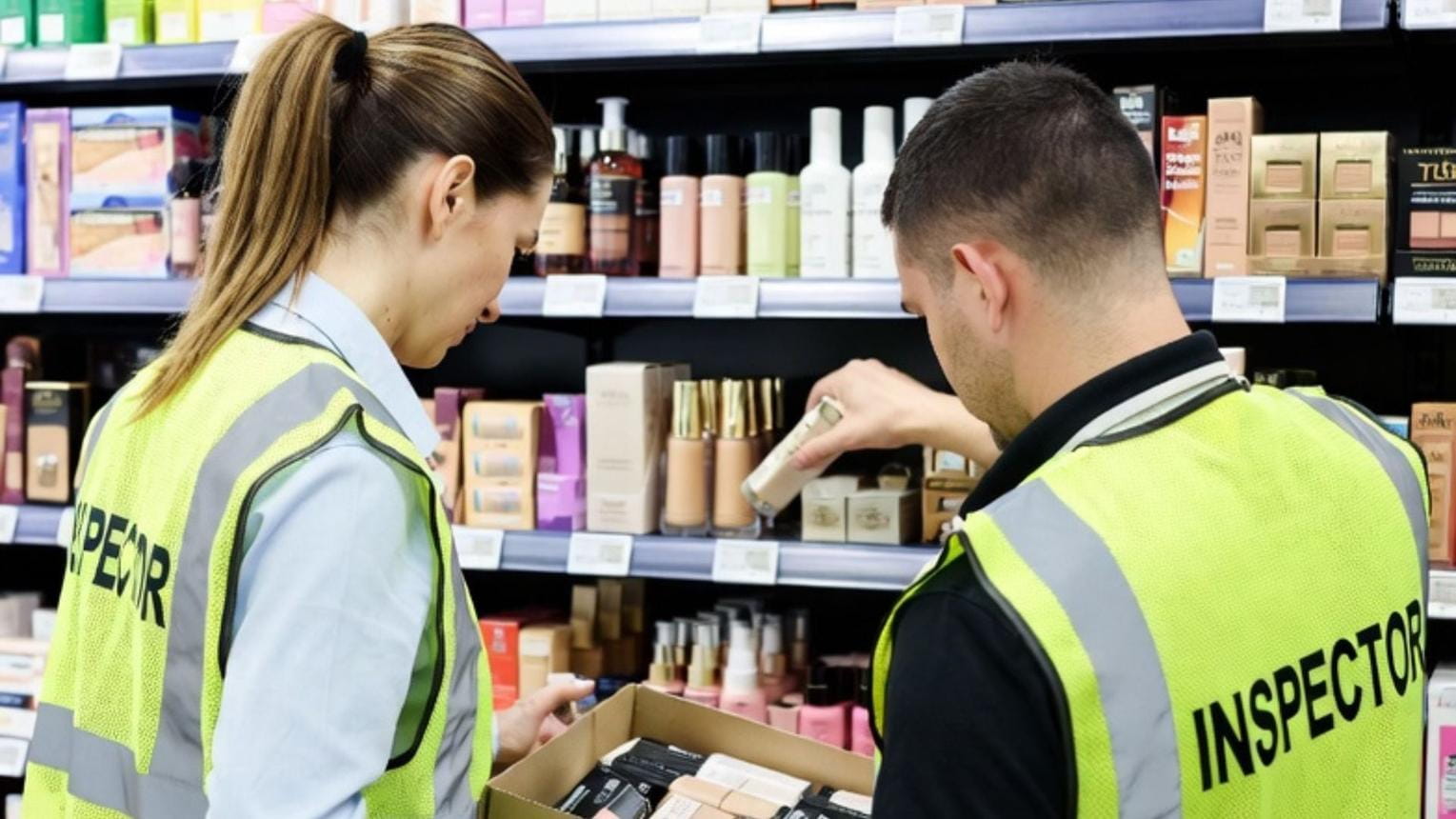
Officials are candid that the machinery will take years to assemble. The data hub becomes operational for e-commerce goods in 2028, and only in 2034 will every category of imported goods fall within its scope. Critics in the freight and retail industries warn that the transition period will be costly and confusing, particularly for the small importers who lack the compliance departments of the giants the rules were written to discipline. Consumer advocates counter that the current free-for-all has flooded the market with unsafe toys, electronics and cosmetics that no one checks, and that a system built around data rather than declarations is the only realistic way to police a trade that has simply outgrown the old model.
What gives the reform its weight is the recognition that customs is no longer a sleepy administrative backwater but a front line of economic security. The same hub that catches an undervalued phone charger is meant to enforce sanctions, protect European manufacturers from a deluge of subsidised imports and shore up a revenue stream that funds part of the bloc’s budget. The three-euro charge will irritate bargain hunters accustomed to free shipping and no questions asked. But for a union that has spent the past year fretting about its dependence on others, reclaiming control of what crosses its borders has become a test of whether it can still govern its own marketplace.