Liège: The age of the duty-free parcel is drawing to a close. From 1 July the European Union scraps the long-standing rule that has allowed packages worth €150 or less to cross its frontier without paying any customs duty, a relief that has underpinned the explosive growth of cross-border e-commerce. In its place comes a temporary flat charge of €3 per item on qualifying low-value consignments, set out in Council Regulation (EU) 2026/382 and designed to bridge the gap until a fuller system arrives.
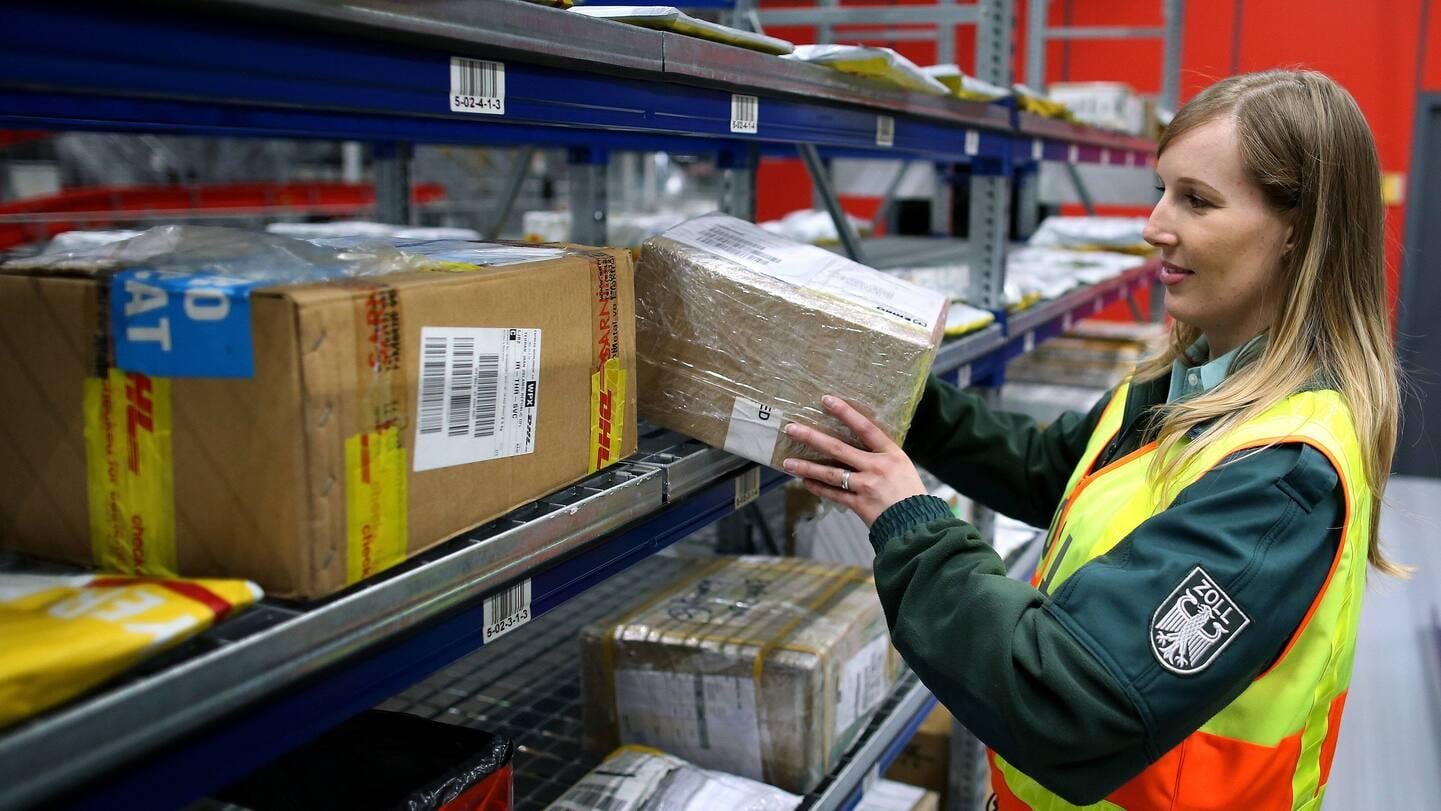
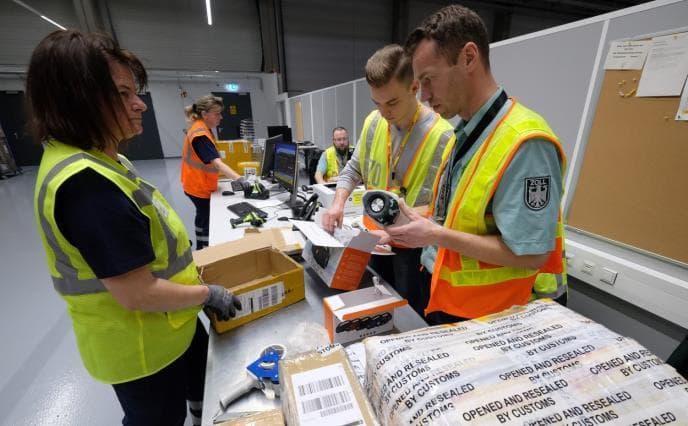
The scale of what is changing is hard to overstate. The Union absorbed billions of small packages in recent years, the overwhelming majority shipped directly to consumers from outside the bloc, and a large share from a handful of Chinese platforms. European retailers have argued for years that the exemption handed non-EU sellers an unfair edge, sparing them duties that domestic competitors must build into their prices. Customs authorities, meanwhile, warned that the flood of declarations stripped them of any realistic ability to screen for unsafe or counterfeit goods.
The flat €3 duty is explicitly transitional. It is intended to apply until 1 July 2028, when the EU Customs Data Hub for e-commerce is expected to come online and goods will instead face normal duties calculated from each product’s tariff classification. Separately, the Commission has floated an EU-wide handling fee to help national administrations recover the cost of processing the deluge, though the amount and start date are not expected to be fixed before the autumn.
For sellers and carriers the practical burden lands in the paperwork. Standardised electronic shipment data must now be filed before goods reach the border, including precise product descriptions, accurate classification codes and full details of buyer and seller. Vague labels such as accessories or gift that once smoothed a parcel’s passage become a liability. The change reaches almost every business shipping low-value goods to EU consumers, since the duty attaches to the same flows already captured by the bloc’s import VAT one-stop shop.
Critics caution that the reform is not costless for the people it is meant to protect. The €3 charge, modest in isolation, will often be passed straight to shoppers, and the heavier data requirements could slow deliveries and squeeze smaller logistics firms. Consumer advocates note that the measure does little on its own to verify product safety; it raises revenue and levels the commercial field, but the harder work of inspection still depends on customs capacity that remains thinly stretched.
What happens next will test whether the EU can build the promised data hub on schedule. If 2028 slips, the temporary €3 fee could harden into a semi-permanent fixture, and the bloc’s ambition of treating every parcel according to what it actually contains would recede. For now, the message at sorting depots from Liège to the Baltic is simple: the free ride is over.