August 12, 2026
LATEST
Temu Faces EU Penalty Threat Over Blocked Subsidy ChecksBanks Set for Simpler ESG Disclosure Under New EBA PlanMinimum Wages Climb Fastest in Eastern Europe, Data ShowsEurope’s Electrification Plan Aims to Slash Fossil Fuel BillsCouncil Clears Fertiliser Aid to Shield Struggling EU FarmersCan Europe Court Beijing and Contain It at the Same Time?Korean Tanks Fill the Gaps Europe Cannot Arm Fast EnoughAustralia Becomes Europe’s Answer to China’s Mineral GripEurope and Japan Bet on Shared Labs to Outpace ChinaWhy Europe and South Korea Rewrote the Rules of Digital TradeNew Zealand Helps Europe Anchor Its Ambitions Across the PacificCompetitiveness Fund Faces Its First Real Test of DeliveryHorizon Europe Rolls Out Its 14 Billion Research PushCERV Programme Grants Target Civic Space Under StrainEurope’s Firefighting Fleet Faces Its Worst Season on RecordAI Gigafactories Draw a 30 Billion Euro Bid to Rival the USRail Passengers Win Full Rights on Multi-Leg TripsEuropean Universities Face a Budget and Reform TestTobacco Rules Face a Sweeping Reset as Vaping SurgesRiyadh Summit Tests Europe’s New Bet on the GulfTemu Faces EU Penalty Threat Over Blocked Subsidy ChecksBanks Set for Simpler ESG Disclosure Under New EBA PlanMinimum Wages Climb Fastest in Eastern Europe, Data ShowsEurope’s Electrification Plan Aims to Slash Fossil Fuel BillsCouncil Clears Fertiliser Aid to Shield Struggling EU FarmersCan Europe Court Beijing and Contain It at the Same Time?Korean Tanks Fill the Gaps Europe Cannot Arm Fast EnoughAustralia Becomes Europe’s Answer to China’s Mineral GripEurope and Japan Bet on Shared Labs to Outpace ChinaWhy Europe and South Korea Rewrote the Rules of Digital TradeNew Zealand Helps Europe Anchor Its Ambitions Across the PacificCompetitiveness Fund Faces Its First Real Test of DeliveryHorizon Europe Rolls Out Its 14 Billion Research PushCERV Programme Grants Target Civic Space Under StrainEurope’s Firefighting Fleet Faces Its Worst Season on RecordAI Gigafactories Draw a 30 Billion Euro Bid to Rival the USRail Passengers Win Full Rights on Multi-Leg TripsEuropean Universities Face a Budget and Reform TestTobacco Rules Face a Sweeping Reset as Vaping SurgesRiyadh Summit Tests Europe’s New Bet on the Gulf
August 12, 2026
LATEST
Temu Faces EU Penalty Threat Over Blocked Subsidy ChecksBanks Set for Simpler ESG Disclosure Under New EBA PlanMinimum Wages Climb Fastest in Eastern Europe, Data ShowsEurope’s Electrification Plan Aims to Slash Fossil Fuel BillsCouncil Clears Fertiliser Aid to Shield Struggling EU FarmersCan Europe Court Beijing and Contain It at the Same Time?Korean Tanks Fill the Gaps Europe Cannot Arm Fast EnoughAustralia Becomes Europe’s Answer to China’s Mineral GripEurope and Japan Bet on Shared Labs to Outpace ChinaWhy Europe and South Korea Rewrote the Rules of Digital TradeNew Zealand Helps Europe Anchor Its Ambitions Across the PacificCompetitiveness Fund Faces Its First Real Test of DeliveryHorizon Europe Rolls Out Its 14 Billion Research PushCERV Programme Grants Target Civic Space Under StrainEurope’s Firefighting Fleet Faces Its Worst Season on RecordAI Gigafactories Draw a 30 Billion Euro Bid to Rival the USRail Passengers Win Full Rights on Multi-Leg TripsEuropean Universities Face a Budget and Reform TestTobacco Rules Face a Sweeping Reset as Vaping SurgesRiyadh Summit Tests Europe’s New Bet on the GulfTemu Faces EU Penalty Threat Over Blocked Subsidy ChecksBanks Set for Simpler ESG Disclosure Under New EBA PlanMinimum Wages Climb Fastest in Eastern Europe, Data ShowsEurope’s Electrification Plan Aims to Slash Fossil Fuel BillsCouncil Clears Fertiliser Aid to Shield Struggling EU FarmersCan Europe Court Beijing and Contain It at the Same Time?Korean Tanks Fill the Gaps Europe Cannot Arm Fast EnoughAustralia Becomes Europe’s Answer to China’s Mineral GripEurope and Japan Bet on Shared Labs to Outpace ChinaWhy Europe and South Korea Rewrote the Rules of Digital TradeNew Zealand Helps Europe Anchor Its Ambitions Across the PacificCompetitiveness Fund Faces Its First Real Test of DeliveryHorizon Europe Rolls Out Its 14 Billion Research PushCERV Programme Grants Target Civic Space Under StrainEurope’s Firefighting Fleet Faces Its Worst Season on RecordAI Gigafactories Draw a 30 Billion Euro Bid to Rival the USRail Passengers Win Full Rights on Multi-Leg TripsEuropean Universities Face a Budget and Reform TestTobacco Rules Face a Sweeping Reset as Vaping SurgesRiyadh Summit Tests Europe’s New Bet on the Gulf

Unemployment Holds at 6.3 Percent as Youth Jobless Rate Eases

Athens: Europe’s labour market entered the summer on an even keel. Eurostat reported on 30 July that the euro area unemployment rate held at 6.3 percent in June, unchanged from May and from the same month a year earlier. The figure translates into 11.13 million people looking for work across the twenty countries that share the currency.

Statisticians counted 71,000 more jobless workers than in May, a small monthly rise that nudged the headline count up without moving the rate. Against June 2025, the increase came to 43,000. Analysts read the stability as a sign that hiring has cooled rather than collapsed, even as growth across the bloc barely registers.

The youth numbers offered the brighter note. Employers kept 2.35 million people under twenty-five out of work, but the youth rate slipped to 14.8 percent from 14.9 percent in May. Young jobseekers still face rates more than double the adult average, and the gap has proved stubborn across every recession and recovery of the past decade.

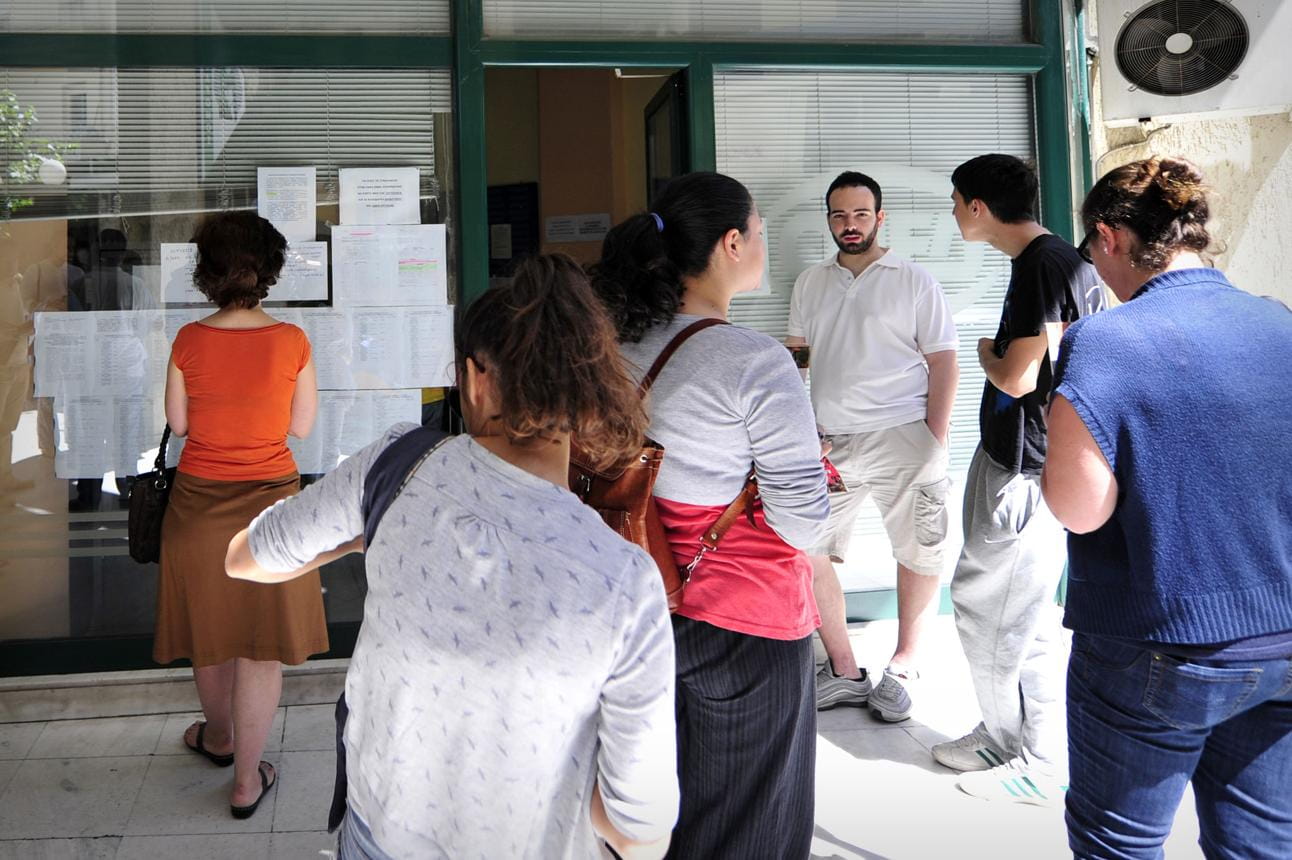
National experiences diverge sharply beneath the aggregate. Southern economies such as Greece and Spain continue to carry the heaviest jobless burdens, while several central and northern members hover near what economists treat as full employment. That spread complicates the European Central Bank’s task, because a single interest rate lands very differently in Seville than it does in Munich.

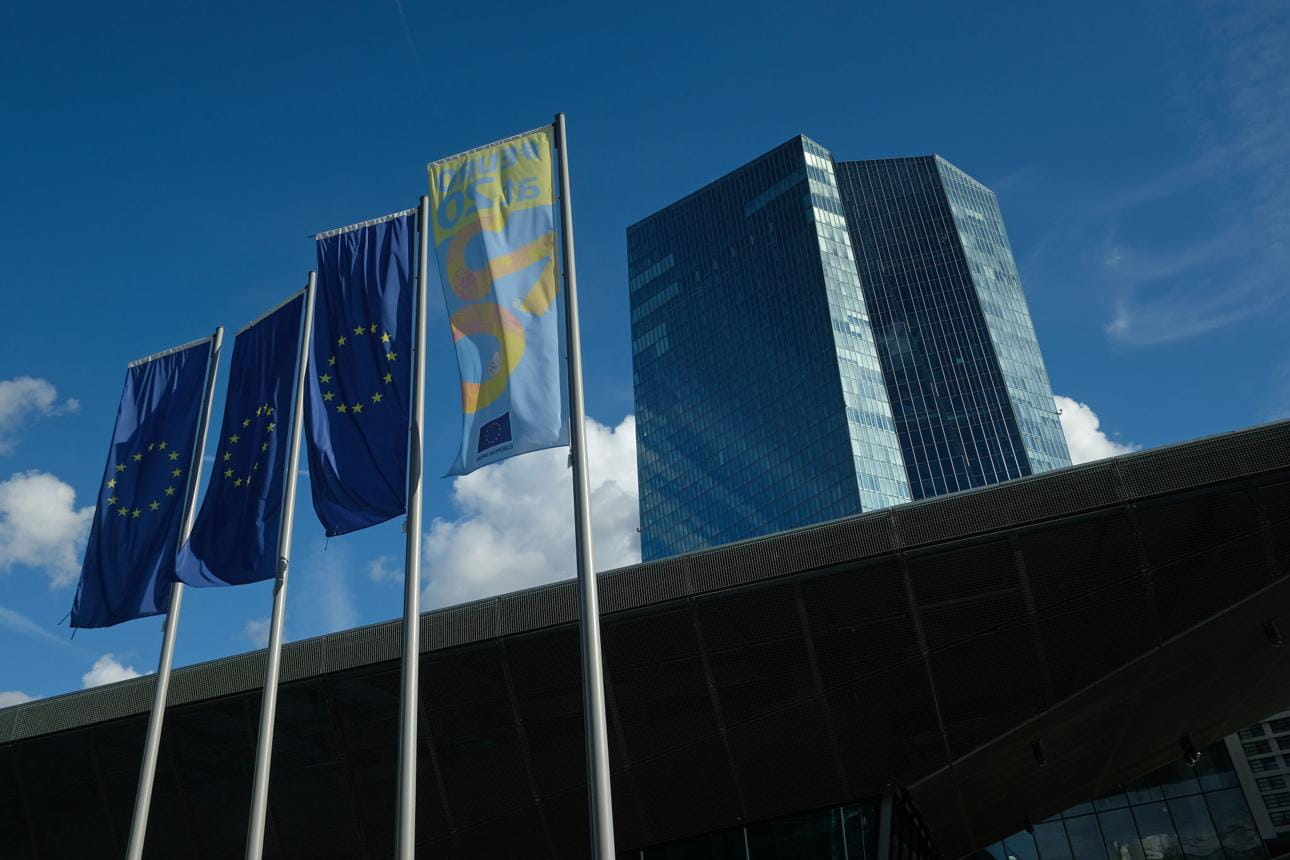
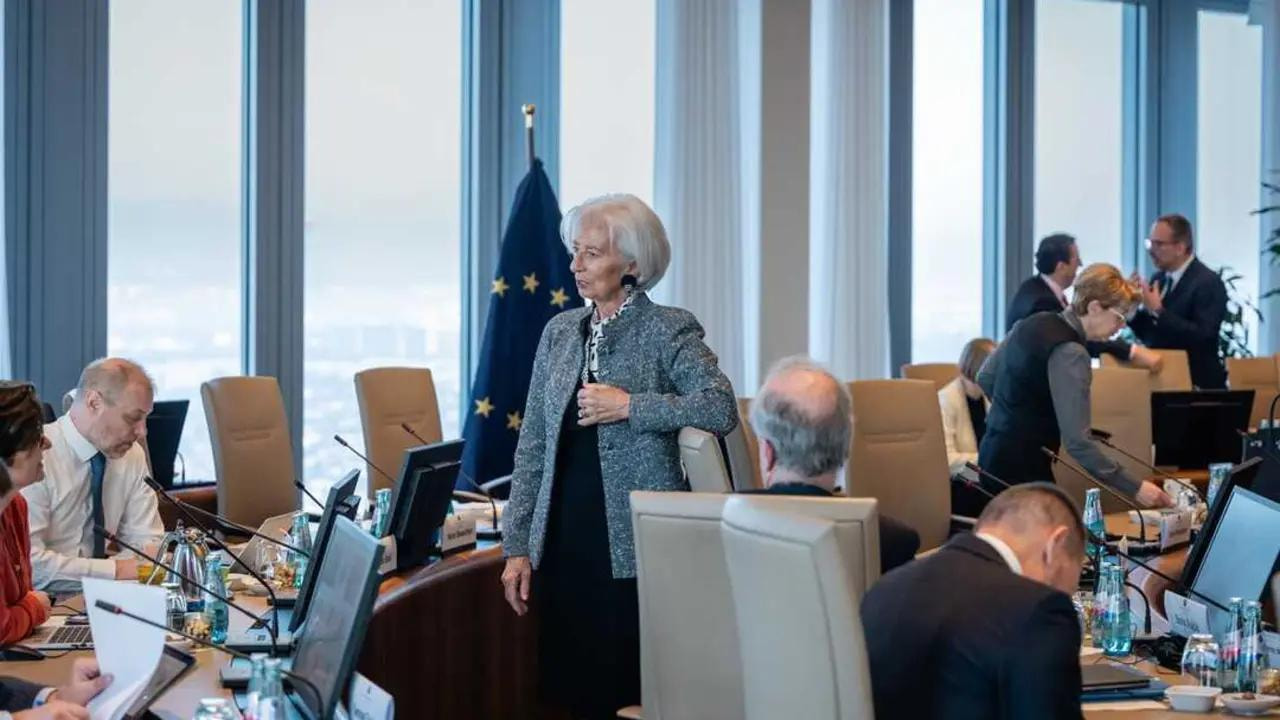
The June reading feeds directly into the debate over how quickly the ECB can keep easing policy. A labour market that neither tightens nor loosens gives the Governing Council room to weigh inflation risks without fearing an imminent surge in layoffs. Wage growth, which the bank watches closely, tends to follow the jobless trend with a lag.

Eurostat also flagged that the wider EU rate sat below the euro area figure, reflecting stronger labour demand in several non-euro members. The office publishes the harmonised series each month, drawing on national labour force surveys and registered records to keep the definitions comparable. Readers can consult the full Eurostat release for the country breakdown.

For policymakers, the message is one of fragile equilibrium. The bloc has absorbed an energy shock, a rate-hiking cycle and sluggish demand without pushing unemployment back toward the double digits it recorded in the previous decade. Whether that resilience survives a further slowdown will depend on how firms respond if orders keep thinning through the autumn.

The next release will show July, and forecasters expect another flat print. Barring a shock, the euro area looks set to end the year with joblessness close to its historic low, a quiet achievement in a period otherwise defined by uncertainty.