August 9, 2026
LATEST
New EU Gas Market Rules Take Effect With Consumer SafeguardsDeforestation Regulation Holds Its December Deadline Despite CutsDigital Omnibus Delays Europe’s High-Risk AI Deadline to 2027Europe’s Schools Confront a Widening Basic Skills GapRule of Law Report Finds Progress but Trust Still LagsIRIS2 Gains 66 Satellites as Brussels Signs the Rollout DealNature Restoration Plans Come Due as Member States Race a DeadlineECB Rates Hold at 2.25 Percent as Frankfurt Waits on the DataEU Budget Talks Turn to Cohesion as Ireland Takes OverWildfire Response Stretches Europe’s Emergency Fleet ThinCan Europe’s Quantum Plan Match Its Big Ambitions?Armenia Edges West as Moscow’s Grip Slips AwayEurope Inherits the World’s Aid Bill It Cannot Fully PayAir Passenger Rights Get Their First Overhaul in Two DecadesErasmus Opens a 5 Billion Euro Round for Skills and MobilityCeuta Crisis Pushes the EU Toward Faster Migrant ReturnsBulky Parcels Face a Packaging Crackdown From August 12Can Europe Build Its Drone Wall Before 2030 Arrives?Indonesia’s Trade Deal With Europe Nears Its Final SignatureEurope Leans on Beijing to Keep Climate Talks Alive Before AntalyaNew EU Gas Market Rules Take Effect With Consumer SafeguardsDeforestation Regulation Holds Its December Deadline Despite CutsDigital Omnibus Delays Europe’s High-Risk AI Deadline to 2027Europe’s Schools Confront a Widening Basic Skills GapRule of Law Report Finds Progress but Trust Still LagsIRIS2 Gains 66 Satellites as Brussels Signs the Rollout DealNature Restoration Plans Come Due as Member States Race a DeadlineECB Rates Hold at 2.25 Percent as Frankfurt Waits on the DataEU Budget Talks Turn to Cohesion as Ireland Takes OverWildfire Response Stretches Europe’s Emergency Fleet ThinCan Europe’s Quantum Plan Match Its Big Ambitions?Armenia Edges West as Moscow’s Grip Slips AwayEurope Inherits the World’s Aid Bill It Cannot Fully PayAir Passenger Rights Get Their First Overhaul in Two DecadesErasmus Opens a 5 Billion Euro Round for Skills and MobilityCeuta Crisis Pushes the EU Toward Faster Migrant ReturnsBulky Parcels Face a Packaging Crackdown From August 12Can Europe Build Its Drone Wall Before 2030 Arrives?Indonesia’s Trade Deal With Europe Nears Its Final SignatureEurope Leans on Beijing to Keep Climate Talks Alive Before Antalya
August 9, 2026
LATEST
New EU Gas Market Rules Take Effect With Consumer SafeguardsDeforestation Regulation Holds Its December Deadline Despite CutsDigital Omnibus Delays Europe’s High-Risk AI Deadline to 2027Europe’s Schools Confront a Widening Basic Skills GapRule of Law Report Finds Progress but Trust Still LagsIRIS2 Gains 66 Satellites as Brussels Signs the Rollout DealNature Restoration Plans Come Due as Member States Race a DeadlineECB Rates Hold at 2.25 Percent as Frankfurt Waits on the DataEU Budget Talks Turn to Cohesion as Ireland Takes OverWildfire Response Stretches Europe’s Emergency Fleet ThinCan Europe’s Quantum Plan Match Its Big Ambitions?Armenia Edges West as Moscow’s Grip Slips AwayEurope Inherits the World’s Aid Bill It Cannot Fully PayAir Passenger Rights Get Their First Overhaul in Two DecadesErasmus Opens a 5 Billion Euro Round for Skills and MobilityCeuta Crisis Pushes the EU Toward Faster Migrant ReturnsBulky Parcels Face a Packaging Crackdown From August 12Can Europe Build Its Drone Wall Before 2030 Arrives?Indonesia’s Trade Deal With Europe Nears Its Final SignatureEurope Leans on Beijing to Keep Climate Talks Alive Before AntalyaNew EU Gas Market Rules Take Effect With Consumer SafeguardsDeforestation Regulation Holds Its December Deadline Despite CutsDigital Omnibus Delays Europe’s High-Risk AI Deadline to 2027Europe’s Schools Confront a Widening Basic Skills GapRule of Law Report Finds Progress but Trust Still LagsIRIS2 Gains 66 Satellites as Brussels Signs the Rollout DealNature Restoration Plans Come Due as Member States Race a DeadlineECB Rates Hold at 2.25 Percent as Frankfurt Waits on the DataEU Budget Talks Turn to Cohesion as Ireland Takes OverWildfire Response Stretches Europe’s Emergency Fleet ThinCan Europe’s Quantum Plan Match Its Big Ambitions?Armenia Edges West as Moscow’s Grip Slips AwayEurope Inherits the World’s Aid Bill It Cannot Fully PayAir Passenger Rights Get Their First Overhaul in Two DecadesErasmus Opens a 5 Billion Euro Round for Skills and MobilityCeuta Crisis Pushes the EU Toward Faster Migrant ReturnsBulky Parcels Face a Packaging Crackdown From August 12Can Europe Build Its Drone Wall Before 2030 Arrives?Indonesia’s Trade Deal With Europe Nears Its Final SignatureEurope Leans on Beijing to Keep Climate Talks Alive Before Antalya

Unsafe Imports Test The Reach Of Europe’s New Product Safety Net

Rotterdam: Through the container terminals and parcel hubs that feed European doorsteps moves a flood of goods that no inspector will ever physically touch. The volume is the point and the problem. As online buying from sellers based far outside the bloc has surged, the gap between what the rules require and what enforcement can realistically check has widened into a chasm. The General Product Safety Regulation, the Union’s modernised framework for keeping dangerous goods off the market, is now entering the phase where that gap gets tested.

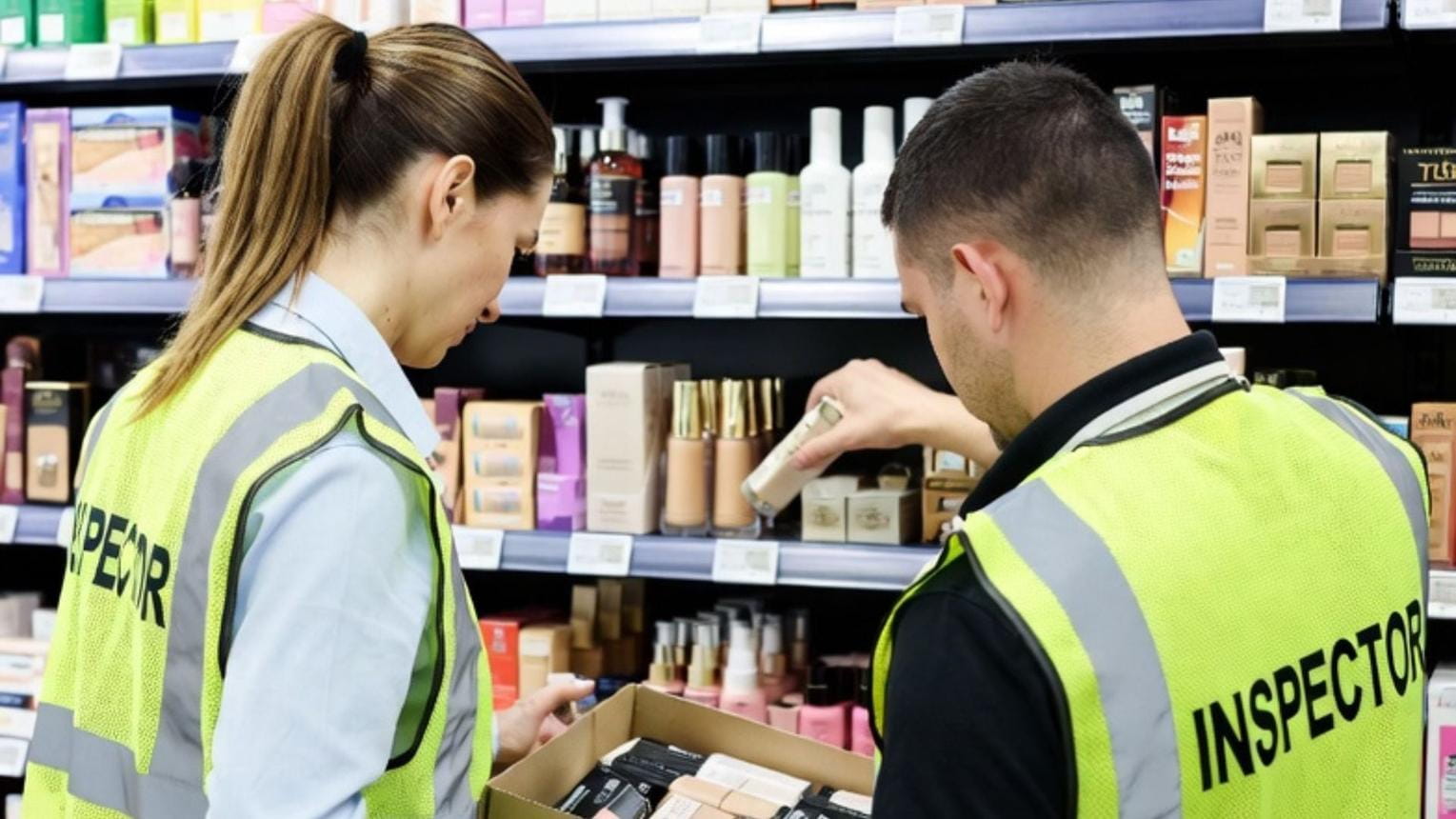
The regulation replaced an older directive and has applied since the end of 2024, but rules on paper are only as strong as the surveillance behind them. With Commission guidance issued to clarify the framework’s broad reach, including its application to digital and hybrid products, market surveillance is expected to intensify through this year. The scope of who carries responsibility has widened accordingly. Manufacturers, importers, authorised representatives, fulfilment providers and, crucially, online marketplaces all now sit within the chain of accountability.

That last category is where the real shift lies. For years marketplaces argued they were mere conduits, neutral platforms connecting buyers and third-party sellers and bearing little responsibility for what changed hands. The combined weight of the safety regulation and the Digital Services Act has eroded that defence. Platforms are now expected to verify and display seller contact details so a buyer knows who actually stands behind a product, to make reasonable efforts to run random checks on listed goods, and to adopt traceability tools that can follow an item back through the supply chain when something goes wrong.

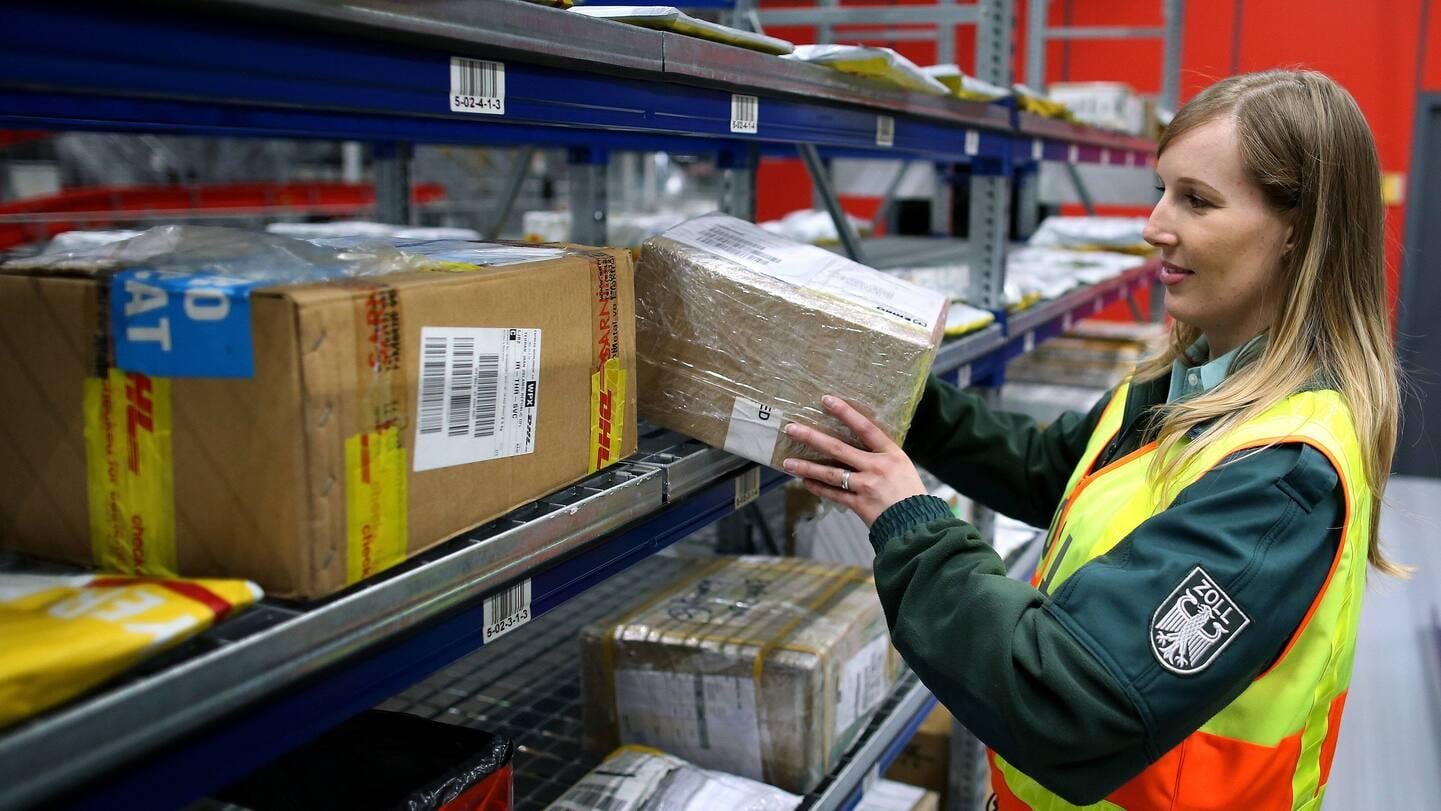
The enforcement challenge remains formidable. A marketplace can delist a hazardous listing today and watch a near-identical one reappear under a new seller name tomorrow. Goods shipped directly to consumers in small parcels slip past the choke points where customs and safety authorities traditionally concentrated their attention. Random checks, however well intentioned, sample a fraction of an ocean. The credibility of the whole system rests on whether penalties for non-compliance are severe and certain enough to change platform behaviour rather than be absorbed as a cost of doing business.

Consumer advocates see the safety regime as one front in a broader campaign. The Commission has flagged a Digital Fairness Act for later this year, aimed at the manipulative design patterns, exploitative personalisation and addictive features that shape online shopping in ways physical retail never could. Together the two strands sketch an ambition to make the digital marketplace as governed as the high street, where a faulty toaster has a traceable maker and a clear line of recourse.

The test now is practical rather than legislative. The legal architecture is largely in place; what remains uncertain is whether under-resourced national surveillance authorities, coordinating across twenty-seven jurisdictions, can make it bite against sellers who may be beyond easy reach. For the shopper clicking buy on a cheap gadget from an unfamiliar storefront, the promise is that someone, somewhere, is now accountable for whether it is safe. Turning that promise into reliable protection is the work that the coming months will judge.