With the 2040 climate target now formally adopted, European climate policy has entered a different and harder phase. The headline is settled: a net reduction in greenhouse gas emissions of ninety percent against 1990 levels by 2040, the legal bridge between the existing 2030 goal and the promise of climate neutrality by mid-century. The argument that follows is no longer about ambition but about delivery, and about the small print that secured agreement among ministers in the first place.
The most contested clause is the one that allows up to around five percentage points of the effort to be met through international carbon credits rather than cuts made inside the Union. To supporters, this is pragmatic. It lets Europe finance verified reductions abroad, often more cheaply, while keeping the overall trajectory intact and giving industry a pressure valve. To critics, it is a loophole that risks importing the credibility problems that have dogged offset markets for two decades, where projects routinely overstate the emissions they avoid. The integrity of that five percent will depend entirely on the rules written to govern it, and those rules do not yet exist in final form.
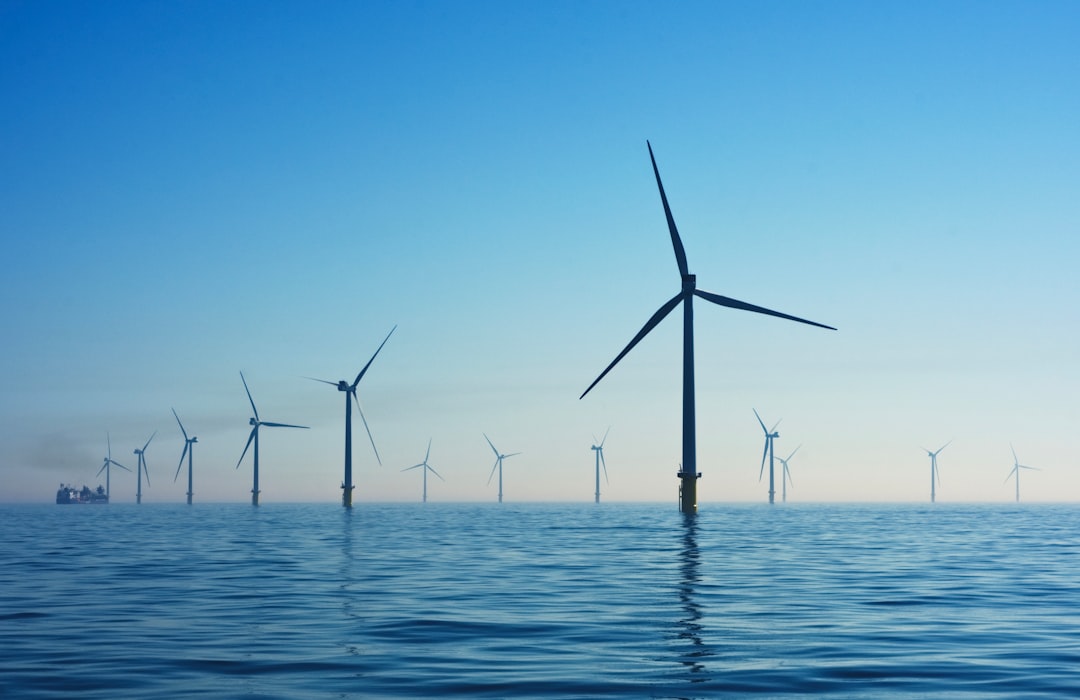
The flexibility debate matters because it sets the tone for everything downstream. A target met substantially through credible domestic transformation drives investment in grids, renewables and industrial decarbonisation. A target met through accounting flexibility risks delaying exactly those investments, on the assumption that someone, somewhere, can be paid to decarbonise instead. The Commission insists the credits are a supplement, not a substitute, but the temptation for hard-pressed member states to lean on the cheaper option will grow as the harder, costlier reductions in heating, heavy industry and agriculture come due.
This is where the implementation question becomes concrete. The 2040 figure is a destination; the route runs through a post-2030 package that must extend or reform the Emissions Trading System, decide how road transport and buildings are priced, and finally give carbon removals a defined legal place in the accounting. Each of these files will be fought line by line, because each redistributes costs between sectors, between richer and poorer households, and between member states with very different starting points. The political economy of the 2030 package was bruising; the 2040 sequel will be harder, arriving in a Europe more anxious about competitiveness and energy bills than it was when the Green Deal was launched.
That anxiety is the real test. The case for the target rests not only on climate science but on the claim that decarbonisation and competitiveness can be reconciled, that cheaper renewable power and a secure domestic clean-tech base are sources of strength rather than burdens. The opposing case, advanced increasingly openly by parts of industry and several governments, is that Europe is regulating ahead of its trading partners and exporting investment along with emissions. Both cannot be fully true, and the next few years of implementation will adjudicate between them in practice rather than in rhetoric.
There is also a credibility dimension that reaches beyond Europe’s borders. The Union has built much of its external climate diplomacy on the authority of acting first and acting bindingly. A 2040 target that is technically ambitious but operationally hollow would weaken that hand precisely as Europe asks others to raise their own commitments. Conversely, a target delivered through visible domestic transformation would restore some of the leverage that has eroded as other blocs subsidise their clean industries aggressively.
The ninety percent figure is now law, but laws of this kind are promissory notes. What was decided this year was the number. What remains to be decided, through the unglamorous machinery of trading-system reform, removal accounting and credit standards, is whether that number describes a real economy in 2040 or merely a tidy line on a ministerial chart.