August 9, 2026
LATEST
New EU Gas Market Rules Take Effect With Consumer SafeguardsDeforestation Regulation Holds Its December Deadline Despite CutsDigital Omnibus Delays Europe’s High-Risk AI Deadline to 2027Europe’s Schools Confront a Widening Basic Skills GapRule of Law Report Finds Progress but Trust Still LagsIRIS2 Gains 66 Satellites as Brussels Signs the Rollout DealNature Restoration Plans Come Due as Member States Race a DeadlineECB Rates Hold at 2.25 Percent as Frankfurt Waits on the DataEU Budget Talks Turn to Cohesion as Ireland Takes OverWildfire Response Stretches Europe’s Emergency Fleet ThinCan Europe’s Quantum Plan Match Its Big Ambitions?Armenia Edges West as Moscow’s Grip Slips AwayEurope Inherits the World’s Aid Bill It Cannot Fully PayAir Passenger Rights Get Their First Overhaul in Two DecadesErasmus Opens a 5 Billion Euro Round for Skills and MobilityCeuta Crisis Pushes the EU Toward Faster Migrant ReturnsBulky Parcels Face a Packaging Crackdown From August 12Can Europe Build Its Drone Wall Before 2030 Arrives?Indonesia’s Trade Deal With Europe Nears Its Final SignatureEurope Leans on Beijing to Keep Climate Talks Alive Before AntalyaNew EU Gas Market Rules Take Effect With Consumer SafeguardsDeforestation Regulation Holds Its December Deadline Despite CutsDigital Omnibus Delays Europe’s High-Risk AI Deadline to 2027Europe’s Schools Confront a Widening Basic Skills GapRule of Law Report Finds Progress but Trust Still LagsIRIS2 Gains 66 Satellites as Brussels Signs the Rollout DealNature Restoration Plans Come Due as Member States Race a DeadlineECB Rates Hold at 2.25 Percent as Frankfurt Waits on the DataEU Budget Talks Turn to Cohesion as Ireland Takes OverWildfire Response Stretches Europe’s Emergency Fleet ThinCan Europe’s Quantum Plan Match Its Big Ambitions?Armenia Edges West as Moscow’s Grip Slips AwayEurope Inherits the World’s Aid Bill It Cannot Fully PayAir Passenger Rights Get Their First Overhaul in Two DecadesErasmus Opens a 5 Billion Euro Round for Skills and MobilityCeuta Crisis Pushes the EU Toward Faster Migrant ReturnsBulky Parcels Face a Packaging Crackdown From August 12Can Europe Build Its Drone Wall Before 2030 Arrives?Indonesia’s Trade Deal With Europe Nears Its Final SignatureEurope Leans on Beijing to Keep Climate Talks Alive Before Antalya
August 9, 2026
LATEST
New EU Gas Market Rules Take Effect With Consumer SafeguardsDeforestation Regulation Holds Its December Deadline Despite CutsDigital Omnibus Delays Europe’s High-Risk AI Deadline to 2027Europe’s Schools Confront a Widening Basic Skills GapRule of Law Report Finds Progress but Trust Still LagsIRIS2 Gains 66 Satellites as Brussels Signs the Rollout DealNature Restoration Plans Come Due as Member States Race a DeadlineECB Rates Hold at 2.25 Percent as Frankfurt Waits on the DataEU Budget Talks Turn to Cohesion as Ireland Takes OverWildfire Response Stretches Europe’s Emergency Fleet ThinCan Europe’s Quantum Plan Match Its Big Ambitions?Armenia Edges West as Moscow’s Grip Slips AwayEurope Inherits the World’s Aid Bill It Cannot Fully PayAir Passenger Rights Get Their First Overhaul in Two DecadesErasmus Opens a 5 Billion Euro Round for Skills and MobilityCeuta Crisis Pushes the EU Toward Faster Migrant ReturnsBulky Parcels Face a Packaging Crackdown From August 12Can Europe Build Its Drone Wall Before 2030 Arrives?Indonesia’s Trade Deal With Europe Nears Its Final SignatureEurope Leans on Beijing to Keep Climate Talks Alive Before AntalyaNew EU Gas Market Rules Take Effect With Consumer SafeguardsDeforestation Regulation Holds Its December Deadline Despite CutsDigital Omnibus Delays Europe’s High-Risk AI Deadline to 2027Europe’s Schools Confront a Widening Basic Skills GapRule of Law Report Finds Progress but Trust Still LagsIRIS2 Gains 66 Satellites as Brussels Signs the Rollout DealNature Restoration Plans Come Due as Member States Race a DeadlineECB Rates Hold at 2.25 Percent as Frankfurt Waits on the DataEU Budget Talks Turn to Cohesion as Ireland Takes OverWildfire Response Stretches Europe’s Emergency Fleet ThinCan Europe’s Quantum Plan Match Its Big Ambitions?Armenia Edges West as Moscow’s Grip Slips AwayEurope Inherits the World’s Aid Bill It Cannot Fully PayAir Passenger Rights Get Their First Overhaul in Two DecadesErasmus Opens a 5 Billion Euro Round for Skills and MobilityCeuta Crisis Pushes the EU Toward Faster Migrant ReturnsBulky Parcels Face a Packaging Crackdown From August 12Can Europe Build Its Drone Wall Before 2030 Arrives?Indonesia’s Trade Deal With Europe Nears Its Final SignatureEurope Leans on Beijing to Keep Climate Talks Alive Before Antalya

Can Montenegro Really Join The EU By 2028

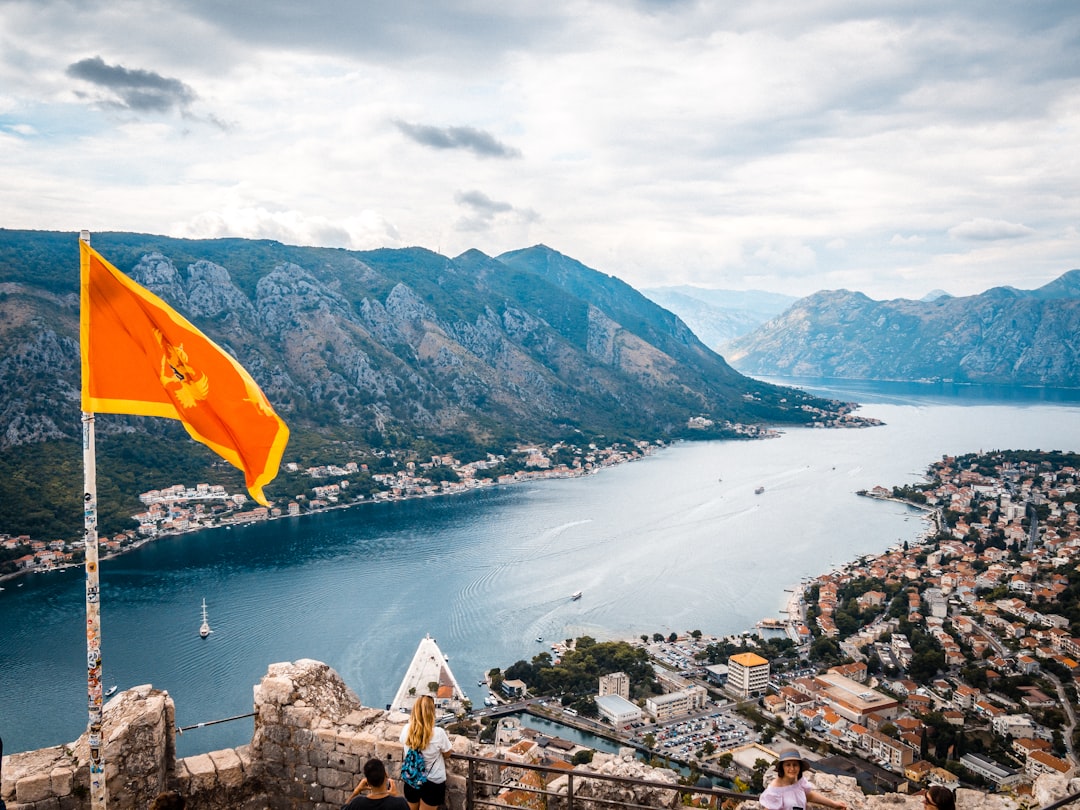
Podgorica: For the first time in more than a decade, the question of European Union enlargement has shifted from whether it will happen to who arrives first, and Montenegro has quietly placed itself at the front of the queue. With a population smaller than many European cities and a candidacy that has crawled through the accession machinery since 2012, the Adriatic state is now being spoken of in Brussels as the most plausible twenty-eighth member. The arithmetic behind that claim deserves scrutiny, because political enthusiasm and treaty readiness are not the same thing.

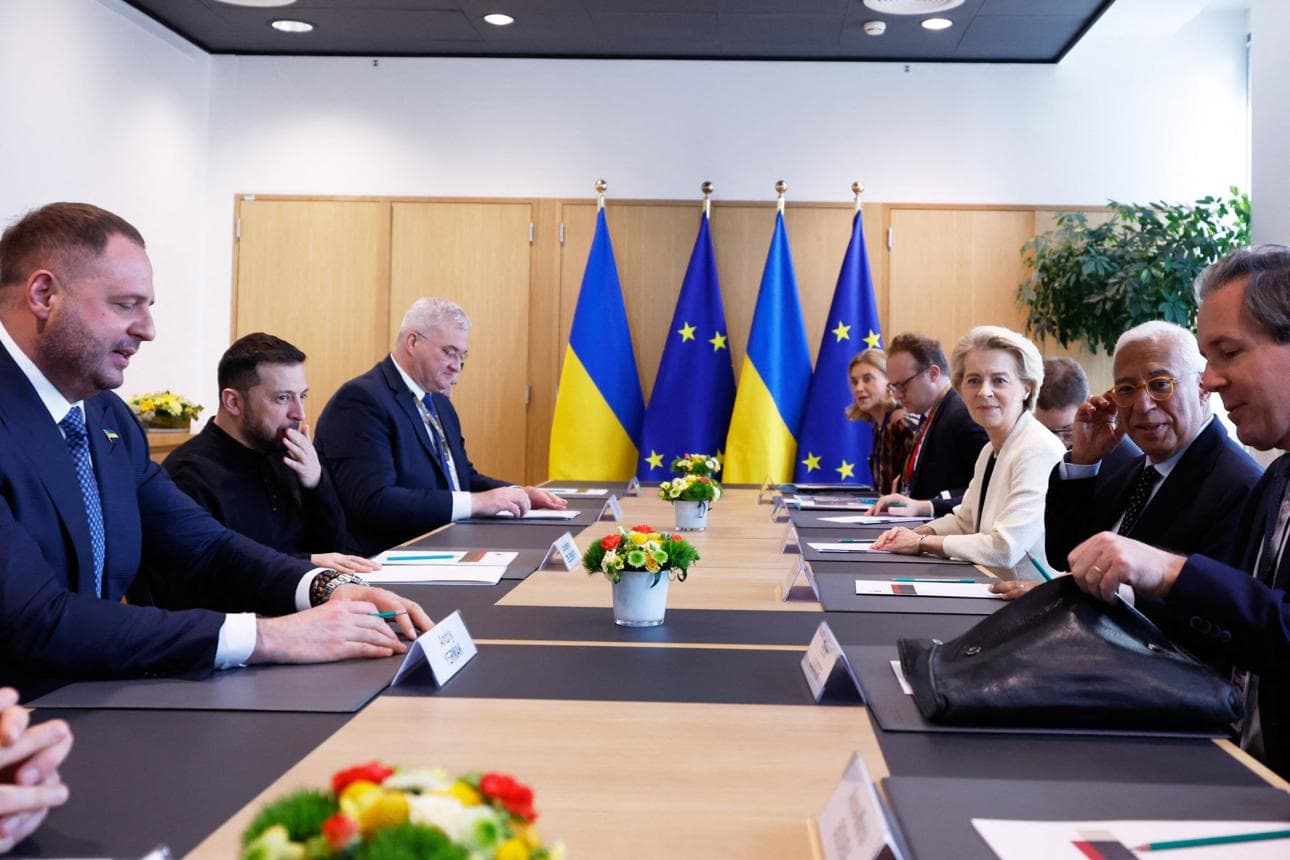
The renewed momentum is real. European Council President Antonio Costa used this week’s gathering with Western Balkan leaders to insist that the opportunity for enlargement is genuine rather than rhetorical, and both France and Germany have signalled that they want Montenegro’s negotiating chapters closed by the end of 2026. That timetable, if held, would clear the path for formal accession around 2028, once an Accession Treaty is drafted, signed and ratified by every existing member state. The drafting of that treaty has already begun, which is the clearest procedural marker yet that Podgorica has moved beyond the perpetual antechamber where candidates tend to languish.

Yet the gap between closing chapters and joining the Union is wider than the diplomatic choreography suggests. Accession negotiations are organised around clusters covering everything from the rule of law to competition policy, and the most politically sensitive chapters, those touching judicial independence, organised crime and media freedom, are precisely the ones that resist quick technical fixes. Montenegro’s advantage is that it adopted the euro unilaterally years ago and has aligned much of its trade and regulatory framework with the bloc, but alignment on paper has rarely been the obstacle. The harder test is whether reforms survive contact with entrenched domestic interests once the external pressure of conditionality relaxes.

There is also a strategic logic pulling Montenegro forward that has little to do with its own merits. Russia’s war against Ukraine reframed enlargement as a security project, and Ukraine’s own candidacy has forced Brussels to rethink how it absorbs new members at all. The emerging concept of gradual integration, bringing candidates into the single market, programmes and institutions step by step rather than in a single accession moment, was designed partly to keep the Western Balkans engaged while the larger Ukrainian question is resolved. Montenegro benefits from being small enough to serve as a low-risk demonstration that the enlargement promise still functions, a point Brussels is keen to make to a region where Chinese and Russian influence has filled the vacuum left by years of European hesitation.

The contrast with its neighbours sharpens the picture. Bosnia and Herzegovina remains paralysed by its own constitutional architecture, and Costa was unusually blunt in telling its leaders that they must decide whether they actually want to do the work. Serbia’s path is entangled with its refusal to align fully on foreign policy and its unresolved relationship with Kosovo, which is not even a formal candidate. Against that backdrop Montenegro looks less like a frontrunner earned through exceptional reform and more like the candidate with the fewest disqualifying complications, which is a different and more fragile basis for membership.

The risk for the Union is that speed becomes its own objective. Enlargement fatigue inside several member states has not vanished, and any accession still requires unanimous ratification, giving every capital a veto that can be activated by domestic politics rather than Montenegrin shortcomings. A rushed entry that later exposes weaknesses in the rule of law would damage the credibility of the whole process at exactly the moment Brussels is trying to rebuild it for Ukraine and Moldova. The lesson of earlier enlargements is that backsliding is far harder to correct after accession than before it.

For now, the honest answer to whether Montenegro joins by 2028 is that the political will exists on both sides, the procedural steps have begun, and the principal obstacles are the slow, unglamorous reforms that no summit declaration can accelerate. The country has earned its place at the front of the line. Whether it crosses it on schedule will depend less on what is said in Podgorica this week than on what happens in Montenegrin courtrooms and ministries over the next eighteen months.