Brussels: The European Union has pushed its flagship space programme past the point of no return. On 7 August 2026, the European Commission and the SpaceRISE consortium signed an implementation agreement that turns IRIS² from a paper ambition into a construction project, and it expands the planned satellite network to 348 spacecraft.
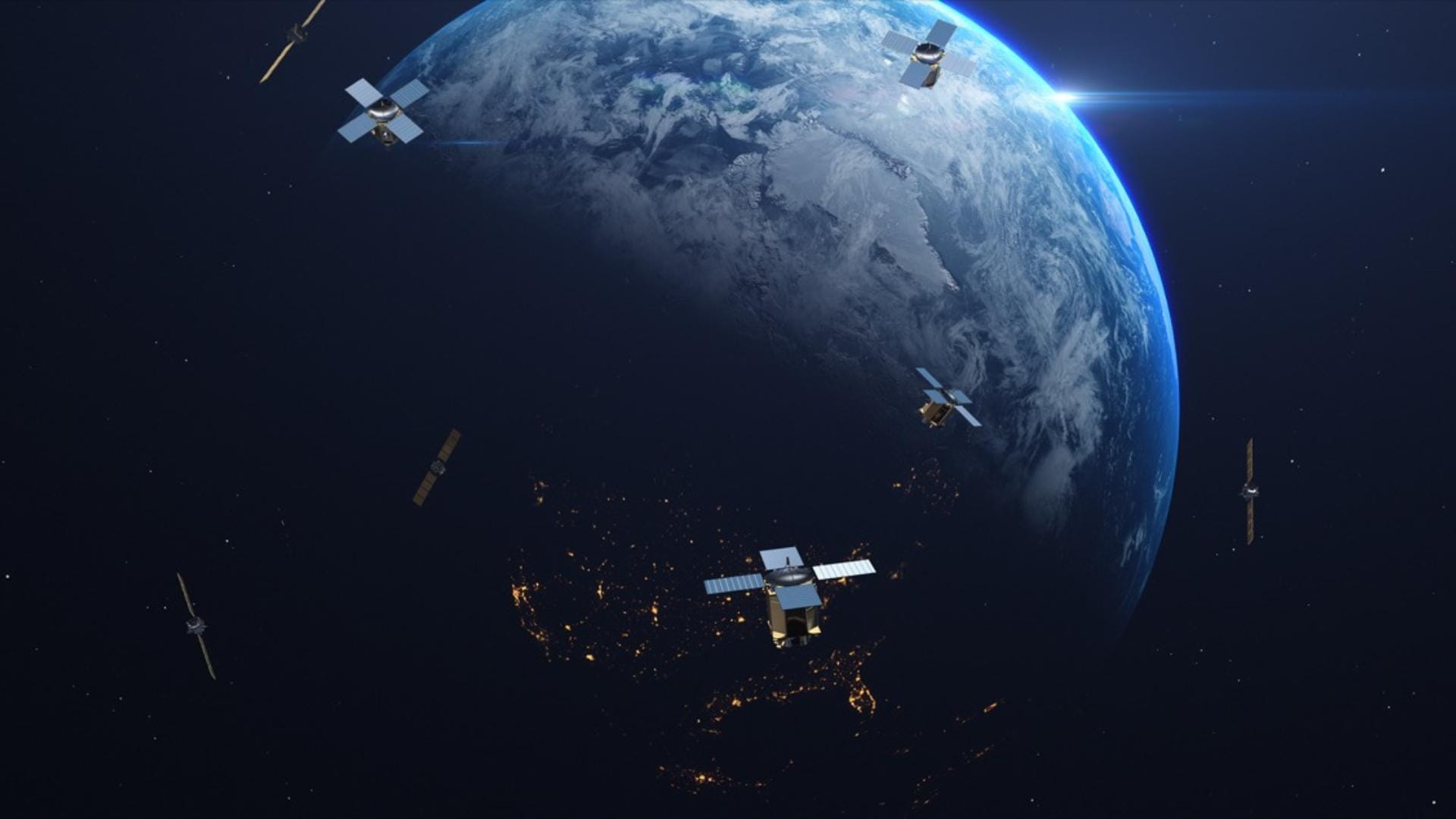
The numbers tell a story of rising expectations. The constellation will place 330 satellites in low Earth orbit and 18 in medium Earth orbit. Negotiators added 66 satellites during the talks that opened in January, and they lifted the headline budget to €15.6 billion. That figure more than doubles the €6 billion Brussels floated when it first sketched the project in 2022.
Why the price tag climbed so fast
Three forces drove the cost upward. Engineers widened the constellation to guarantee dense coverage over Europe, Africa and the Arctic. Planners hardened the design against jamming and cyberattack, adding a quantum-secured layer for government and defence traffic. And the consortium priced in the launch cadence needed to reach full service by 2030, with a first launch targeted for 2029.
The Commission frames the spending as sovereignty rather than commercial broadband. Officials repeatedly stress that IRIS² will serve governments, armed forces and emergency responders, not consumers hunting for cheaper home internet. Read that way, the network competes less with Starlink and more with the strategic risk of leaning on any single foreign operator for secure communications.
The timing sharpens that logic. A widening arc of instability, from the Middle East to the edges of the Arctic, has reminded European capitals how quickly terrestrial links can fail or fall under attack. A sovereign satellite network promises a backbone that no rival power can switch off.
The European Space Agency backs the effort and will help steer deployment, a sign that the bloc wants its civil space institutions working in lockstep. Both the European Space Agency and the European Commission describe the August agreement as the moment the programme shifted from planning to full-scale build.
What the network still has to prove
Money and satellites do not guarantee success. The consortium must hold to a demanding schedule while three separate orbital shells work as one system. Private operators have committed investment, and any wobble in those commitments would ripple straight through the timeline. Governments, meanwhile, will judge IRIS² on a single question: can it keep sensitive traffic flowing when everything else goes dark?
Industry stands to gain either way in the near term. The build will feed European manufacturers, launch providers and software firms, spreading contracts and skilled jobs across the bloc. That industrial dividend helps explain why member states swallowed a budget that more than doubled in four years.
For Europe, the wager reaches well beyond orbit. A working satellite network would hand the bloc an independent spine for defence coordination, border surveillance and disaster response. A stalled one would deepen the very dependence the project set out to end. The next four years will decide which story Europe gets to tell.