August 9, 2026
LATEST
New EU Gas Market Rules Take Effect With Consumer SafeguardsDeforestation Regulation Holds Its December Deadline Despite CutsDigital Omnibus Delays Europe’s High-Risk AI Deadline to 2027Europe’s Schools Confront a Widening Basic Skills GapRule of Law Report Finds Progress but Trust Still LagsIRIS2 Gains 66 Satellites as Brussels Signs the Rollout DealNature Restoration Plans Come Due as Member States Race a DeadlineECB Rates Hold at 2.25 Percent as Frankfurt Waits on the DataEU Budget Talks Turn to Cohesion as Ireland Takes OverWildfire Response Stretches Europe’s Emergency Fleet ThinCan Europe’s Quantum Plan Match Its Big Ambitions?Armenia Edges West as Moscow’s Grip Slips AwayEurope Inherits the World’s Aid Bill It Cannot Fully PayAir Passenger Rights Get Their First Overhaul in Two DecadesErasmus Opens a 5 Billion Euro Round for Skills and MobilityCeuta Crisis Pushes the EU Toward Faster Migrant ReturnsBulky Parcels Face a Packaging Crackdown From August 12Can Europe Build Its Drone Wall Before 2030 Arrives?Indonesia’s Trade Deal With Europe Nears Its Final SignatureEurope Leans on Beijing to Keep Climate Talks Alive Before AntalyaNew EU Gas Market Rules Take Effect With Consumer SafeguardsDeforestation Regulation Holds Its December Deadline Despite CutsDigital Omnibus Delays Europe’s High-Risk AI Deadline to 2027Europe’s Schools Confront a Widening Basic Skills GapRule of Law Report Finds Progress but Trust Still LagsIRIS2 Gains 66 Satellites as Brussels Signs the Rollout DealNature Restoration Plans Come Due as Member States Race a DeadlineECB Rates Hold at 2.25 Percent as Frankfurt Waits on the DataEU Budget Talks Turn to Cohesion as Ireland Takes OverWildfire Response Stretches Europe’s Emergency Fleet ThinCan Europe’s Quantum Plan Match Its Big Ambitions?Armenia Edges West as Moscow’s Grip Slips AwayEurope Inherits the World’s Aid Bill It Cannot Fully PayAir Passenger Rights Get Their First Overhaul in Two DecadesErasmus Opens a 5 Billion Euro Round for Skills and MobilityCeuta Crisis Pushes the EU Toward Faster Migrant ReturnsBulky Parcels Face a Packaging Crackdown From August 12Can Europe Build Its Drone Wall Before 2030 Arrives?Indonesia’s Trade Deal With Europe Nears Its Final SignatureEurope Leans on Beijing to Keep Climate Talks Alive Before Antalya
August 9, 2026
LATEST
New EU Gas Market Rules Take Effect With Consumer SafeguardsDeforestation Regulation Holds Its December Deadline Despite CutsDigital Omnibus Delays Europe’s High-Risk AI Deadline to 2027Europe’s Schools Confront a Widening Basic Skills GapRule of Law Report Finds Progress but Trust Still LagsIRIS2 Gains 66 Satellites as Brussels Signs the Rollout DealNature Restoration Plans Come Due as Member States Race a DeadlineECB Rates Hold at 2.25 Percent as Frankfurt Waits on the DataEU Budget Talks Turn to Cohesion as Ireland Takes OverWildfire Response Stretches Europe’s Emergency Fleet ThinCan Europe’s Quantum Plan Match Its Big Ambitions?Armenia Edges West as Moscow’s Grip Slips AwayEurope Inherits the World’s Aid Bill It Cannot Fully PayAir Passenger Rights Get Their First Overhaul in Two DecadesErasmus Opens a 5 Billion Euro Round for Skills and MobilityCeuta Crisis Pushes the EU Toward Faster Migrant ReturnsBulky Parcels Face a Packaging Crackdown From August 12Can Europe Build Its Drone Wall Before 2030 Arrives?Indonesia’s Trade Deal With Europe Nears Its Final SignatureEurope Leans on Beijing to Keep Climate Talks Alive Before AntalyaNew EU Gas Market Rules Take Effect With Consumer SafeguardsDeforestation Regulation Holds Its December Deadline Despite CutsDigital Omnibus Delays Europe’s High-Risk AI Deadline to 2027Europe’s Schools Confront a Widening Basic Skills GapRule of Law Report Finds Progress but Trust Still LagsIRIS2 Gains 66 Satellites as Brussels Signs the Rollout DealNature Restoration Plans Come Due as Member States Race a DeadlineECB Rates Hold at 2.25 Percent as Frankfurt Waits on the DataEU Budget Talks Turn to Cohesion as Ireland Takes OverWildfire Response Stretches Europe’s Emergency Fleet ThinCan Europe’s Quantum Plan Match Its Big Ambitions?Armenia Edges West as Moscow’s Grip Slips AwayEurope Inherits the World’s Aid Bill It Cannot Fully PayAir Passenger Rights Get Their First Overhaul in Two DecadesErasmus Opens a 5 Billion Euro Round for Skills and MobilityCeuta Crisis Pushes the EU Toward Faster Migrant ReturnsBulky Parcels Face a Packaging Crackdown From August 12Can Europe Build Its Drone Wall Before 2030 Arrives?Indonesia’s Trade Deal With Europe Nears Its Final SignatureEurope Leans on Beijing to Keep Climate Talks Alive Before Antalya

Europe’s Carbon Border Levy Bites As Brussels Closes Loopholes

For more than a decade the European Union argued that a price on carbon could not be both meaningful and fair so long as factories could simply relocate beyond its borders. Since 1 January 2026 that argument has become a working customs instrument. The Carbon Border Adjustment Mechanism, or CBAM, entered its definitive stage at the start of the year, integrating a dedicated registry with national customs systems and the EU Customs Single Window. After three years of reporting-only transition, importers of carbon-intensive goods now face a real financial obligation rather than a paperwork exercise.

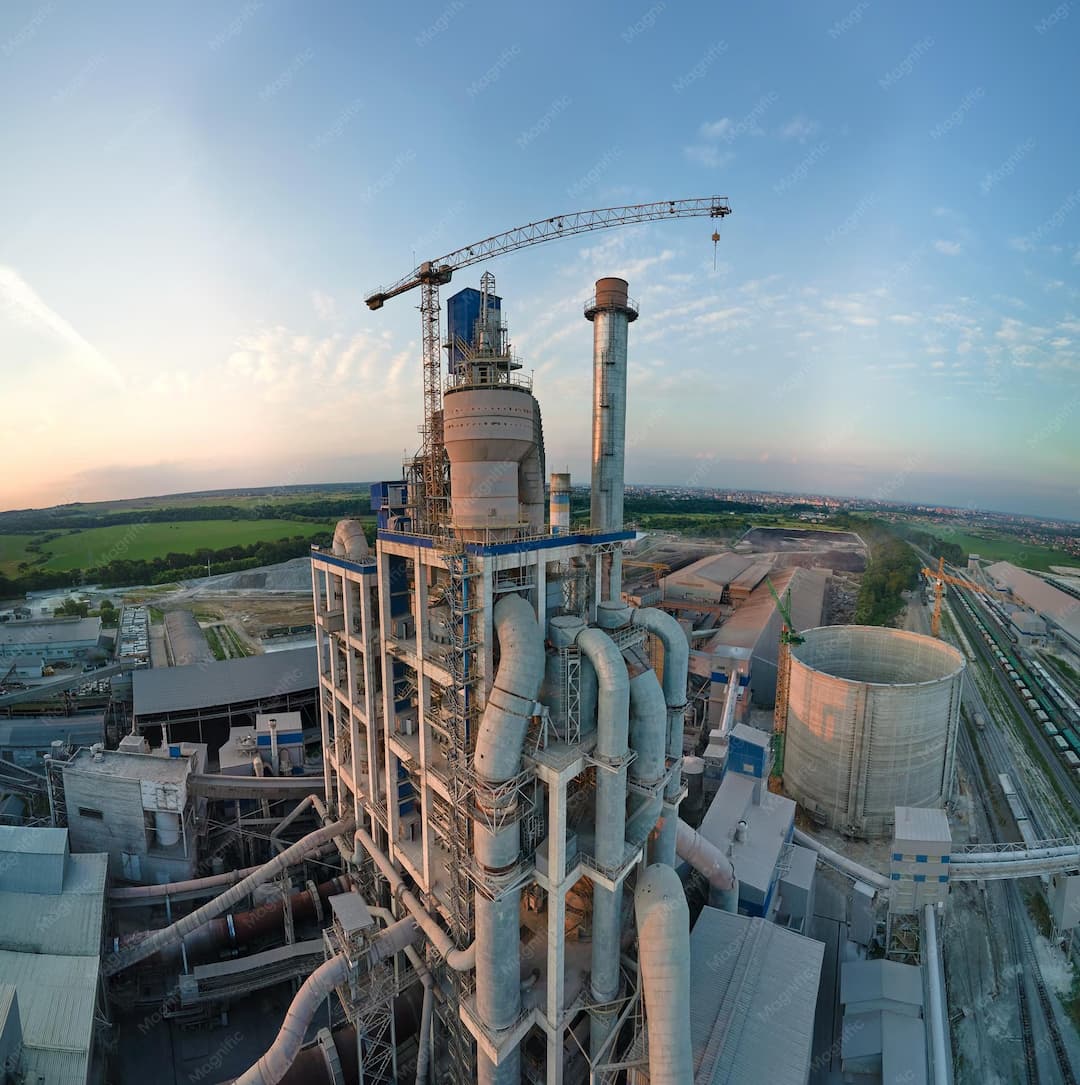
The mechanism is deliberately narrow at the outset. It covers six sectors judged most exposed to carbon leakage: cement, iron and steel, aluminium, fertilisers, electricity and hydrogen. For these goods, importers must hold CBAM authorisation, with applications due before 31 March 2026, and will eventually surrender certificates matching the embedded emissions of what they bring into the bloc. The first annual declaration and the surrender of certificates for 2026 imports fall due by 30 September 2027. Certificates themselves are bought retroactively from February 2027, priced at the average quarterly price of allowances under the EU Emissions Trading System for 2026. In effect, foreign producers are charged the same carbon cost their European competitors already pay, minus any carbon price already settled at home.

That symmetry is the analytical heart of the design. Domestic steelmakers and cement producers have long received free ETS allowances precisely because policymakers feared that full carbon pricing would push production abroad without cutting global emissions. CBAM is meant to let those free allowances be phased out while the border charge takes their place, removing a subsidy that blunted the carbon price at home. The integrity of the whole scheme therefore depends on whether the levy can be enforced without being gamed.

This is where attention has now turned. As the system began charging, the Council moved to agree its negotiating position on strengthening CBAM ahead of talks with the European Parliament, with particular focus on anti-circumvention. The concern is concrete. A levy confined to six raw commodities invites several avoidance routes: shifting only final assembly into the Union so that finished products escape the net, rerouting goods through third countries to obscure their origin, or “resource reshuffling”, in which a producer sends its cleanest output to Europe while dirtier production serves other markets, leaving global emissions unchanged. Extending coverage downstream to products that contain CBAM materials is the most discussed remedy, though each extension multiplies the administrative burden on importers already wary of the compliance load.

The external politics are no less delicate. Major trading partners, including China, India and several developing economies, have characterised the measure as protectionism dressed in green language, and some have raised it at the World Trade Organization. Brussels counters that the charge is non-discriminatory because it mirrors a cost imposed on domestic industry, and that any carbon price already paid abroad is deducted. The empirical question is whether trading partners respond by building their own carbon pricing, which would vindicate the policy, or by litigating and retaliating, which would test the bloc’s resolve.

For least-developed countries the equity dimension is sharpest. They contribute a marginal share of the emissions embedded in EU imports yet may face disproportionate compliance costs relative to the size of their exports. Whether some of the revenue raised is recycled toward decarbonisation in those economies remains an open and contested choice for the Union’s budget negotiators.

None of this can yet be judged by results. Because certificates are purchased only from 2027, the first full year of the definitive regime will generate data on import volumes, embedded-emissions declarations and price effects that do not exist today. The credible case for CBAM rests on a testable claim: that a carefully policed border charge can hold European industry to a real carbon price without exporting its factories. The credible case against it rests on an equally testable one: that the loopholes are wider than the rules, and that a measure designed to prevent leakage will instead reshuffle it. The coming reporting cycle, rather than the rhetoric of either side, will begin to settle which is closer to the truth.