Athens: A single Greek shipowner has done what the Kremlin could not, stalling the European Union’s twenty-first package of Russia sanctions for more than a week. Greece has withheld the unanimous support the measures require, demanding carve-outs that would protect the Arctic liquefied natural gas fleet of one of its most powerful maritime businesses.
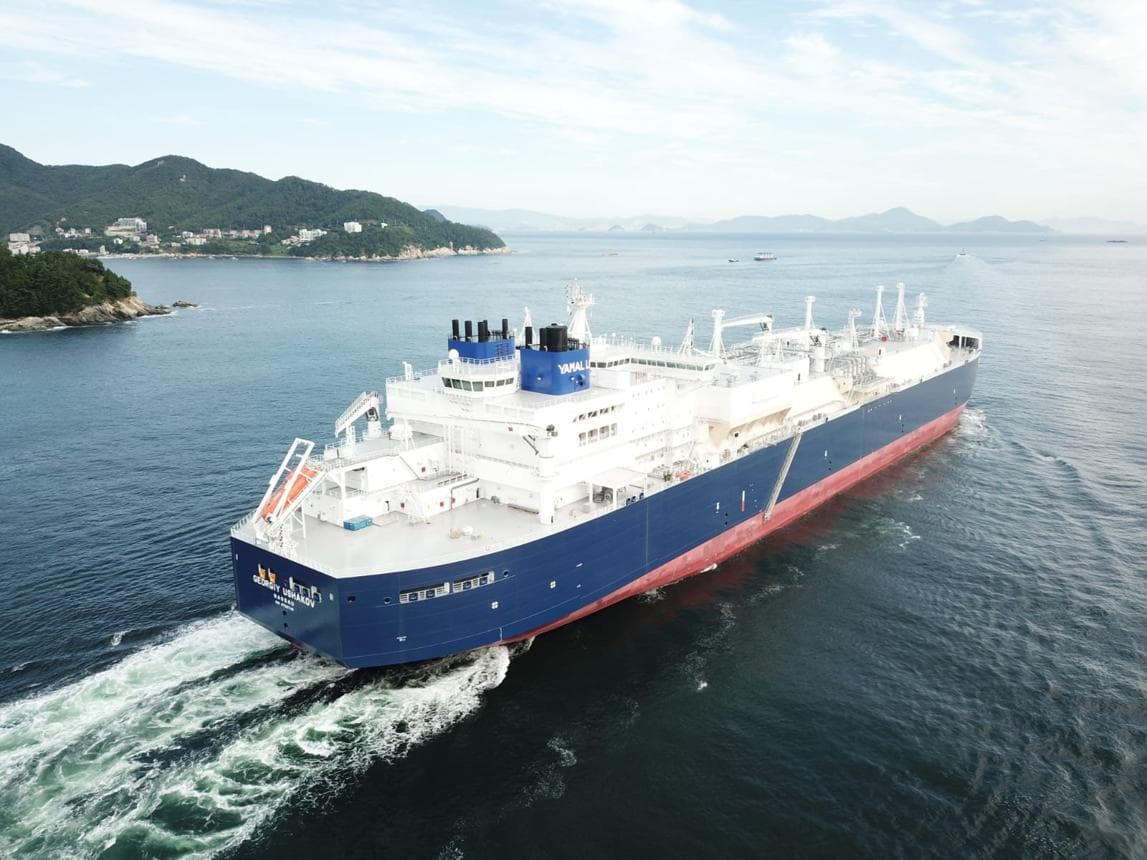
At the centre sits Dynagas, controlled by shipping magnate George Prokopiou, and its specialised icebreaking carriers that serve Russia’s Yamal LNG project. The draft package would ban the transport of Russian LNG to third countries, a move Athens argues would strand those vessels and, in the words of its EU ambassador, ruin the company.
How one capital freezes the whole bloc
The episode exposes the structural weakness at the heart of EU foreign policy. Sanctions demand unanimity, so any one of the 27 governments can halt a package that the other 26 support. Hungary has used that leverage repeatedly on Russia files. Now Greece, usually a reliable backer of pressure on Moscow, shows that even committed members will trade collective resolve for a domestic commercial interest when the bill lands on a national champion.
The blocked measures carry real weight. Beyond the LNG shipping ban, the package would tighten the price cap on Russian crude, the threshold above which firms cannot legally buy or move the oil, and it targets additional banks, cryptocurrency networks and military-industrial companies. Each delay gives Moscow time to rearrange its logistics and its financing.
The narrow paths out
Negotiators are weighing several exits, as Euronews has reported. The Commission could amend the text to grant Dynagas a transition period, letting existing contracts run down before the ban bites. It could narrow the definition of the prohibited trade so that third-country transport already under contract escapes. Or the other members could simply wait Athens out, betting that Greece will not want to be seen as the government that shielded Russian gas revenues.
Each option carries a cost. Carve-outs invite every other member to seek its own exemption, hollowing out the package. A prolonged standoff signals disunity to Washington and to Kyiv at a delicate moment. And a climbdown by Athens would hand Prokopiou a public defeat that Greek politics may not easily absorb, given the weight of the shipping lobby in the national economy.
The standoff also reframes what economic security means inside the Union. Athens is not defending Russia; it is defending a fleet of vessels that took years and hundreds of millions to build, and whose value collapses the moment the trade they were designed for becomes illegal. That is precisely the kind of stranded-asset risk the bloc will meet again as sanctions reach deeper into shipping, finance and technology, and it explains why future packages may need transition tools built in from the start rather than bolted on under duress.
The deeper lesson outlasts this package. So long as sanctions require unanimity, the Union’s strongest external tool remains hostage to its weakest domestic link. Reformers have floated qualified-majority voting for parts of foreign policy precisely to close this gap, yet the same veto culture that produces these standoffs also blocks the reform. Until that changes, Brussels will keep discovering that its leverage over Moscow runs only as deep as the patience of its most conflicted member.