The interim report Parliament adopted on 28 April with 370 votes in favour, 201 against and 84 abstentions was less a negotiating mandate than a declaration of distance. Members want the 2028-2034 Multiannual Financial Framework set at 1.27 percent of EU gross national income, with an additional 0.11 percent ring-fenced for NextGenerationEU debt service. The Commission’s July 2025 proposal pitches the same envelope at 1.26 percent. The gap looks narrow on paper. In cash terms, it is roughly twelve to fifteen billion euro across the seven-year cycle, and it sits on top of a debate the Council has not yet had the political appetite to begin in earnest.
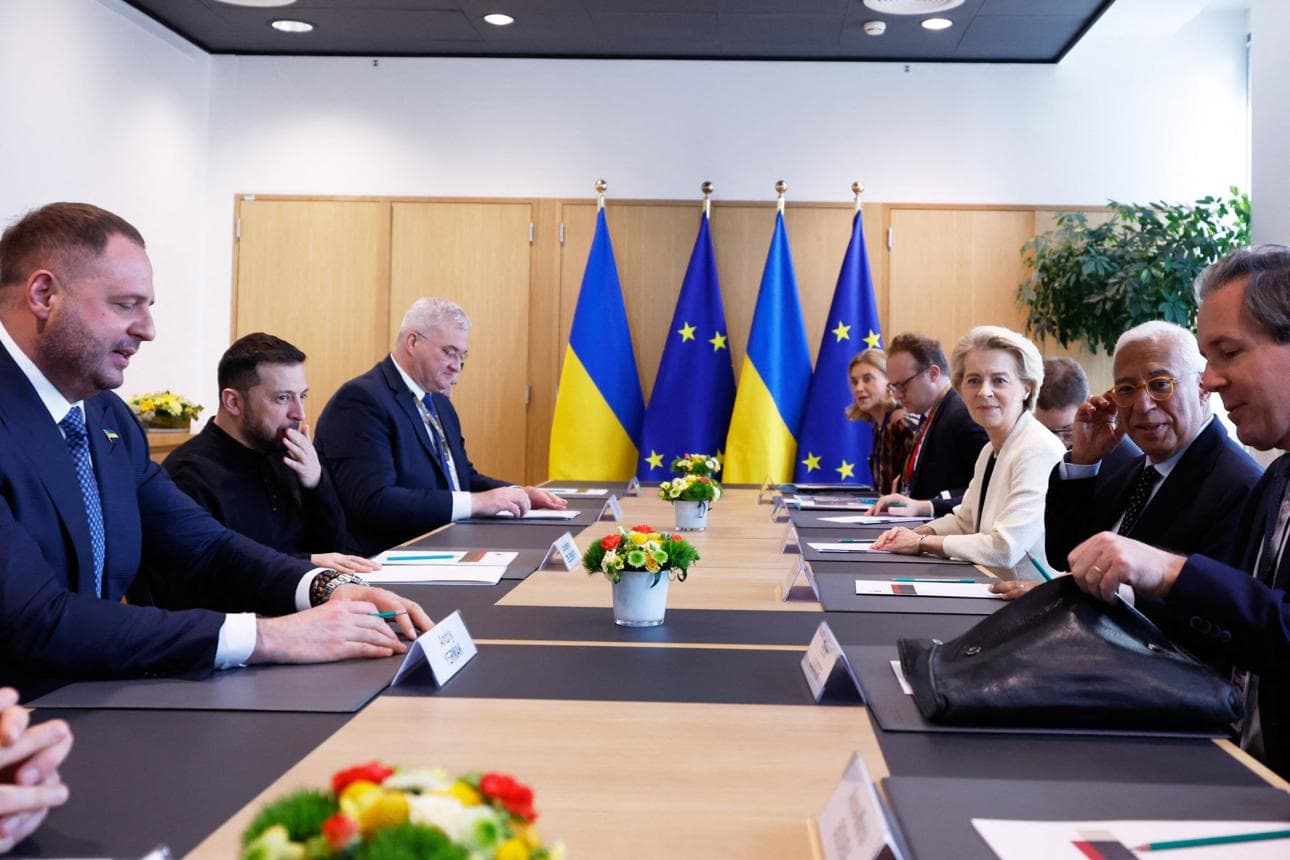
That is the backdrop against which EU affairs ministers gathered in Brussels this week to start their own policy debate on the long-term budget. The General Affairs Council is the forum where Member States build a common position. As of mid-May, no such position exists in any meaningful sense. Several capitals have circulated non-papers expressing scepticism about increases in both the headline ceiling and the new own resources package, while a smaller group has argued that the Commission’s figures are already too low to deliver on the legislative programme the Union has signed up to between now and 2034.
The €1,789 billion total Parliament is asking for, expressed in constant 2025 prices, has the political virtue of being a round increase over the previous cycle and the analytical disadvantage of being almost impossible to reach under unanimity. Member States routinely arrive at MFF negotiations with sectoral demands that exceed their net contribution appetite. The Parliament figure assumes a willingness to expand both common borrowing and own resources to a degree that net-contributor capitals have so far refused to entertain. Without a clearer signal from the Council on revenue mechanisms, the headline ceiling is the wrong end of the negotiation to anchor first.
There is, however, a structural logic to Parliament’s posture. The 2028 cycle inherits an unusual liability profile. NGEU debt repayment begins consuming budget headroom from the first year of the cycle, and the share of the budget pre-committed to existing programmes – cohesion tail-spending, agriculture, Horizon, defence facilities and Recovery and Resilience close-out – is structurally higher than in any prior MFF. If the headline envelope is held at the lower end of the Commission’s range, the room for new political priorities collapses to a few billion euro per year. That is the arithmetic Parliament is trying to make visible before negotiations begin in earnest.
The Commission has tried to ease the trade-off by reshaping the architecture of the MFF rather than expanding its volume. The single national and regional partnership plans, the Competitiveness Fund and the redesigned external action heading are all attempts to compress spending categories so that policy choices show up as line items rather than as new headings. The approach buys flexibility. It also concentrates political contestation inside fewer envelopes, which is why Parliament’s interim report reads less as a counter-proposal than as a set of preconditions for letting the architecture stand.
Member State capitals are watching three indicators that will tell them whether Parliament’s number is rhetorical or load-bearing. The first is the rapporteurs’ willingness to trade the headline ceiling for stronger conditionality on rule of law and climate spending. The second is whether the European People’s Party group keeps its votes inside the interim majority during the autumn rounds, given the fragility of its support on revenue questions. The third is the response of the larger net-contributor delegations to the own resources package, particularly the carbon-border, ETS-2 and corporate revenue strands that the Commission is leaning on to finance the proposed envelope.
The June European Council will receive a state-of-play report rather than a decision. The real test of whether the calendar holds is the autumn presidency package and the December summit. Parliament has asked for adoption by the end of 2026 to allow the new programmes to start cleanly on 1 January 2028. On current trajectories, that calendar is a stretch goal rather than a working timeline, and the longer it slips, the more the 2028 start date itself becomes the negotiation.