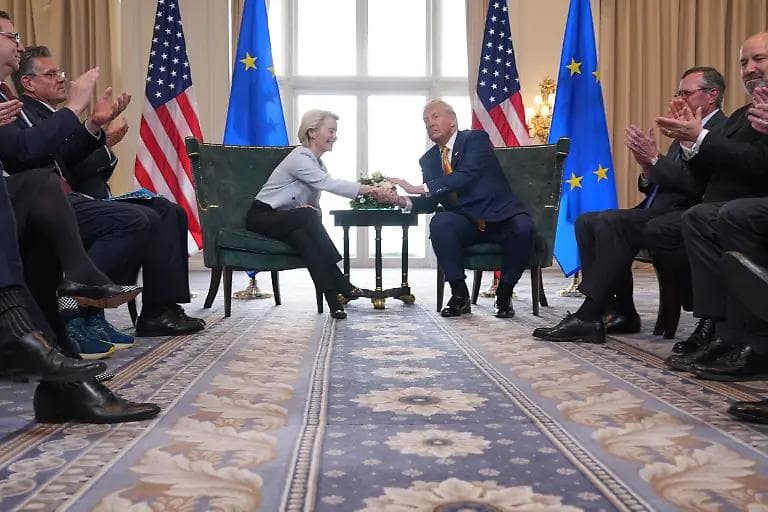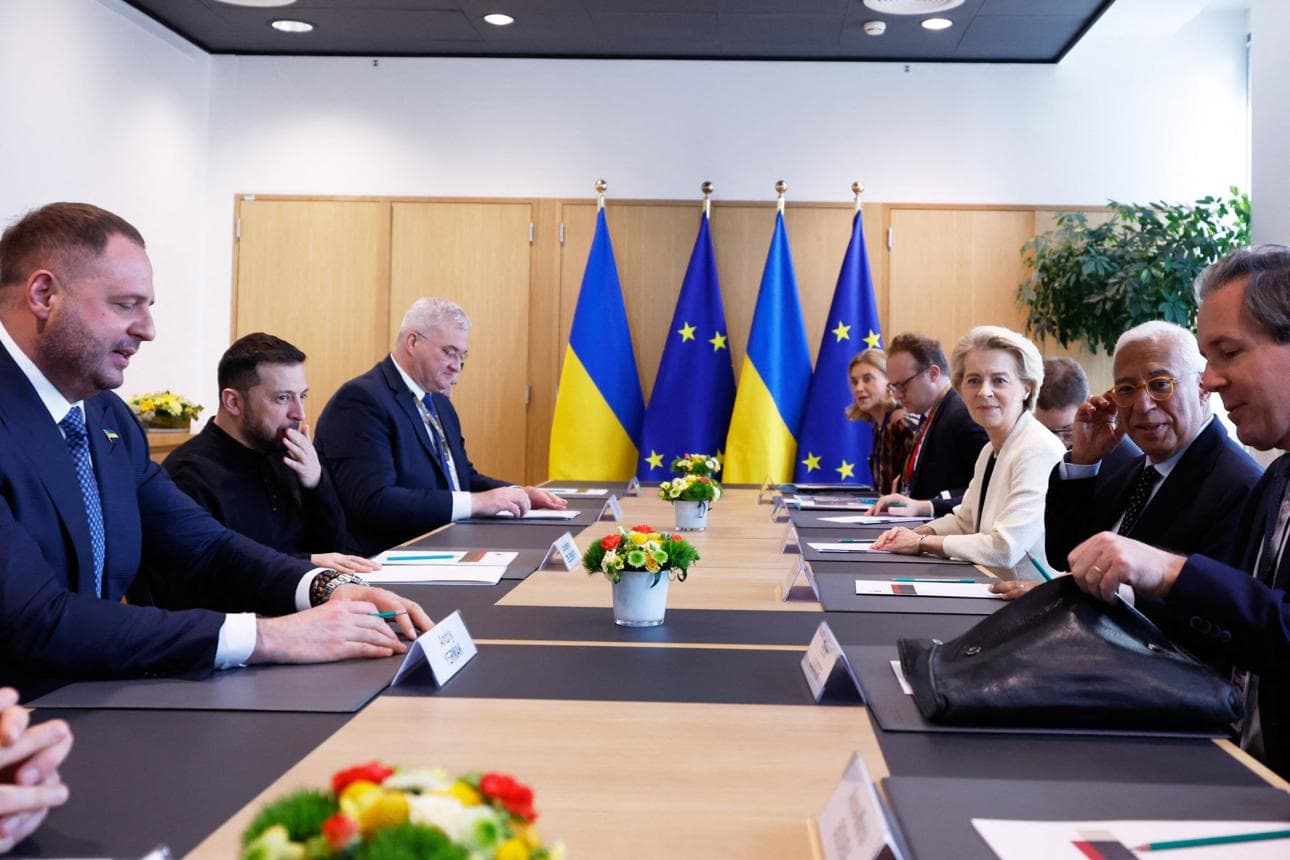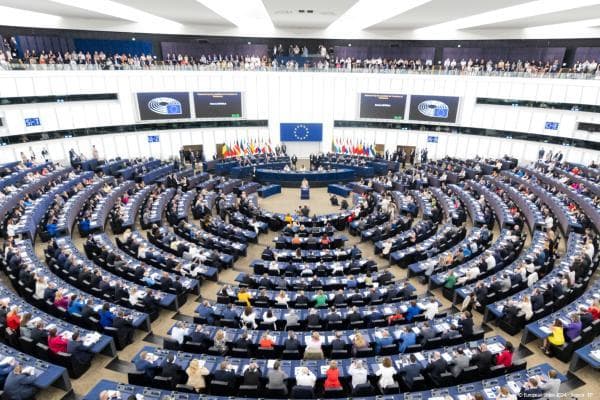
Brussels: The fight over Europe’s next seven-year budget has stopped being a technical exercise and become a test of who really controls the Union’s purse. With the Cyprus Presidency tabling a revised negotiating box on 11 June, complete with figures, the broad shape of the 2028-2034 Multiannual Financial Framework is now visible, and so are the fault lines. The European Parliament is demanding close to 200 billion euros above the roughly two-trillion-euro envelope the Commission has sketched, while a bloc of net-contributor governments insists the ceiling is already too high. Between them sits Ursula von der Leyen, whose institution must somehow reconcile ambitions it helped inflate with money no one wants to provide.
The substance of the quarrel matters more than the headline numbers. The Commission’s central reform would fold cohesion funding and the bulk of farm spending into a single stream of national and regional partnership plans, handing capitals more discretion in return for meeting agreed milestones. Supporters call it simplification; critics call it centralisation by stealth. Regional authorities fear that money once ring-fenced for poorer areas could be diverted to whatever a national government prioritises in a given year, while farm lobbies see a long-protected income stream quietly merged into a larger pot where it can be raided. Parliament’s extra 200 billion is partly a bid to fund new priorities, defence, competitiveness, migration, debt repayment, without cannibalising the old ones.
That is the crux. The Union has taken on commitments faster than it has found revenue to match them. Repayments on the NextGenerationEU recovery debt begin to bite during the very period this budget covers, and there is still no durable agreement on new own resources, the levies that would let Brussels service that debt without squeezing national contributions. Until member states decide whether to back carbon-border revenue, a corporate-profit mechanism, or some other source, every spending promise is built on contested ground. Parliament can demand more, but it cannot raise the money itself.
Why it matters is straightforward: the framework determines what the EU can actually do for the better part of a decade. A budget that satisfies frugal capitals risks leaving the defence and competitiveness agendas underfunded precisely as the Union insists they are existential. A budget that satisfies Parliament risks a revolt from the governments that write the largest cheques and a delay that pushes agreement past the end-2026 deadline officials regard as the point of no return. Miss that window and the legislative acts cannot be adopted in 2027, and funds may not reach beneficiaries cleanly from January 2028.
There is a credible counter-case to the alarm. Budget negotiations almost always look intractable at this stage; the 2021-2027 round was also declared doomed before a deal emerged, sweetened by side-payments and rebates. The Irish Presidency, taking over in the second half of 2026, has a track record of brokering compromises, and the European Council has shown it can move quickly when leaders sense the alternative is institutional embarrassment. The 200-billion gap may be less a genuine demand than an opening position designed to be negotiated down. Seen that way, the current acrimony is theatre with a functional purpose.
Yet the structural problem will not vanish with a clever compromise. Each MFF cycle the Union asks itself to do more with proportionally less, papering over the mismatch with one-off instruments and accounting devices. The recovery fund was sold as exceptional; its repayments are now permanent. If leaders again defer the revenue question, the 2035 negotiation will open with an even larger hole. The honest path is to decide, now, either that members will pay more or that the Union will do less. What comes next is a summer of positioning, a likely autumn crunch under Dublin’s chairmanship, and a European Council showdown where the figures finally meet the politics. Whether leaders use the moment to settle the revenue question, or merely to survive it, will say more about Europe’s seriousness than any communique.