August 9, 2026
LATEST
New EU Gas Market Rules Take Effect With Consumer SafeguardsDeforestation Regulation Holds Its December Deadline Despite CutsDigital Omnibus Delays Europe’s High-Risk AI Deadline to 2027Europe’s Schools Confront a Widening Basic Skills GapRule of Law Report Finds Progress but Trust Still LagsIRIS2 Gains 66 Satellites as Brussels Signs the Rollout DealNature Restoration Plans Come Due as Member States Race a DeadlineECB Rates Hold at 2.25 Percent as Frankfurt Waits on the DataEU Budget Talks Turn to Cohesion as Ireland Takes OverWildfire Response Stretches Europe’s Emergency Fleet ThinCan Europe’s Quantum Plan Match Its Big Ambitions?Armenia Edges West as Moscow’s Grip Slips AwayEurope Inherits the World’s Aid Bill It Cannot Fully PayAir Passenger Rights Get Their First Overhaul in Two DecadesErasmus Opens a 5 Billion Euro Round for Skills and MobilityCeuta Crisis Pushes the EU Toward Faster Migrant ReturnsBulky Parcels Face a Packaging Crackdown From August 12Can Europe Build Its Drone Wall Before 2030 Arrives?Indonesia’s Trade Deal With Europe Nears Its Final SignatureEurope Leans on Beijing to Keep Climate Talks Alive Before AntalyaNew EU Gas Market Rules Take Effect With Consumer SafeguardsDeforestation Regulation Holds Its December Deadline Despite CutsDigital Omnibus Delays Europe’s High-Risk AI Deadline to 2027Europe’s Schools Confront a Widening Basic Skills GapRule of Law Report Finds Progress but Trust Still LagsIRIS2 Gains 66 Satellites as Brussels Signs the Rollout DealNature Restoration Plans Come Due as Member States Race a DeadlineECB Rates Hold at 2.25 Percent as Frankfurt Waits on the DataEU Budget Talks Turn to Cohesion as Ireland Takes OverWildfire Response Stretches Europe’s Emergency Fleet ThinCan Europe’s Quantum Plan Match Its Big Ambitions?Armenia Edges West as Moscow’s Grip Slips AwayEurope Inherits the World’s Aid Bill It Cannot Fully PayAir Passenger Rights Get Their First Overhaul in Two DecadesErasmus Opens a 5 Billion Euro Round for Skills and MobilityCeuta Crisis Pushes the EU Toward Faster Migrant ReturnsBulky Parcels Face a Packaging Crackdown From August 12Can Europe Build Its Drone Wall Before 2030 Arrives?Indonesia’s Trade Deal With Europe Nears Its Final SignatureEurope Leans on Beijing to Keep Climate Talks Alive Before Antalya
August 9, 2026
LATEST
New EU Gas Market Rules Take Effect With Consumer SafeguardsDeforestation Regulation Holds Its December Deadline Despite CutsDigital Omnibus Delays Europe’s High-Risk AI Deadline to 2027Europe’s Schools Confront a Widening Basic Skills GapRule of Law Report Finds Progress but Trust Still LagsIRIS2 Gains 66 Satellites as Brussels Signs the Rollout DealNature Restoration Plans Come Due as Member States Race a DeadlineECB Rates Hold at 2.25 Percent as Frankfurt Waits on the DataEU Budget Talks Turn to Cohesion as Ireland Takes OverWildfire Response Stretches Europe’s Emergency Fleet ThinCan Europe’s Quantum Plan Match Its Big Ambitions?Armenia Edges West as Moscow’s Grip Slips AwayEurope Inherits the World’s Aid Bill It Cannot Fully PayAir Passenger Rights Get Their First Overhaul in Two DecadesErasmus Opens a 5 Billion Euro Round for Skills and MobilityCeuta Crisis Pushes the EU Toward Faster Migrant ReturnsBulky Parcels Face a Packaging Crackdown From August 12Can Europe Build Its Drone Wall Before 2030 Arrives?Indonesia’s Trade Deal With Europe Nears Its Final SignatureEurope Leans on Beijing to Keep Climate Talks Alive Before AntalyaNew EU Gas Market Rules Take Effect With Consumer SafeguardsDeforestation Regulation Holds Its December Deadline Despite CutsDigital Omnibus Delays Europe’s High-Risk AI Deadline to 2027Europe’s Schools Confront a Widening Basic Skills GapRule of Law Report Finds Progress but Trust Still LagsIRIS2 Gains 66 Satellites as Brussels Signs the Rollout DealNature Restoration Plans Come Due as Member States Race a DeadlineECB Rates Hold at 2.25 Percent as Frankfurt Waits on the DataEU Budget Talks Turn to Cohesion as Ireland Takes OverWildfire Response Stretches Europe’s Emergency Fleet ThinCan Europe’s Quantum Plan Match Its Big Ambitions?Armenia Edges West as Moscow’s Grip Slips AwayEurope Inherits the World’s Aid Bill It Cannot Fully PayAir Passenger Rights Get Their First Overhaul in Two DecadesErasmus Opens a 5 Billion Euro Round for Skills and MobilityCeuta Crisis Pushes the EU Toward Faster Migrant ReturnsBulky Parcels Face a Packaging Crackdown From August 12Can Europe Build Its Drone Wall Before 2030 Arrives?Indonesia’s Trade Deal With Europe Nears Its Final SignatureEurope Leans on Beijing to Keep Climate Talks Alive Before Antalya

Ten Trillion in Savings the EU Cannot Put to Work

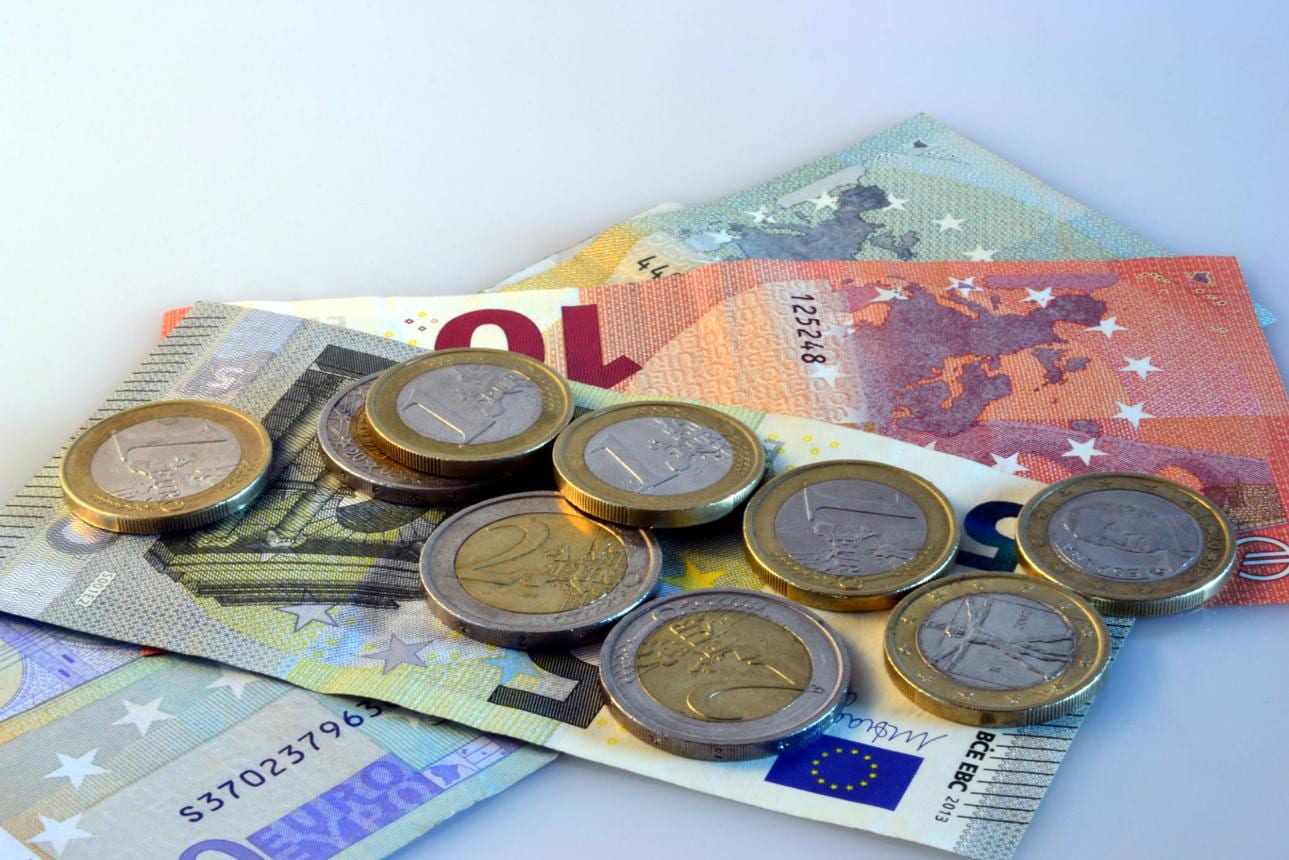
Roughly ten trillion euros of European household savings sit in low-yield bank deposits, earning little and financing even less of the continent’s ambitions. That figure is the uncomfortable premise behind the Savings and Investments Union, the rebranded successor to a capital markets project that Brussels has chased, without much success, for more than a decade. The latest attempt to break the deadlock is the Market Integration and Supervision Package, proposed by the European Commission in December 2025 and now grinding through Council and Parliament as the Irish presidency takes the wheel.

The package is unusually ambitious in scope. It bundles a Master Regulation, a Master Directive, and a new Settlement Finality Regulation, and it reaches across the full span of capital markets law, from trading venues and post-trade plumbing to asset management and crypto-assets. The stated aim is to strip out the national frictions that keep European markets fragmented into twenty-seven shallow pools rather than one deep ocean. The economic logic is hard to dispute. Savings parked in deposits do not flow to the firms that would scale up, hire, and compete, and a continent that wants to fund defence, decarbonisation, and a technology catch-up cannot keep leaving its own capital idle.

The politics are where ambition meets its limits. The most consequential idea in the package is greater supervisory integration, nudging oversight of the largest cross-border market players toward a more centralised European footing. That is precisely the element national capitals have resisted for years. Member states with sizeable domestic financial centres are wary of ceding authority to a European supervisor, and smaller states worry that centralisation will pull activity toward the largest hubs. Every previous version of this project foundered on the same rock, which is why the Commission has spread its reforms across technical files that are easier to pass individually than a single grand bargain.

Momentum, for once, is not purely bureaucratic. Europe’s six largest economies have signalled a joint push to shape the outcome, and the appetite for a deal is being sharpened by external pressure. A continent that talks constantly about strategic autonomy cannot indefinitely rely on American markets to price and fund its companies. Securitisation reform, long treated as a post-crisis taboo, is back on the table as a way to free bank balance sheets to lend more. The argument that once sounded like financial-sector special pleading now arrives dressed in the language of sovereignty and competitiveness, and that reframing has given it fresh political traction.

Yet reframing is not delivery. The hardest questions remain unanswered. Deep, integrated markets require harmonised insolvency regimes, comparable tax treatment of savings, and a single supervisory culture, none of which a regulation can conjure quickly. Households will not abandon the safety of deposits for equities and funds without trust, financial literacy, and products that feel accessible rather than opaque. There is also a distributional edge that rarely surfaces in Commission communiques. Moving savings into markets transfers risk from banks to citizens, and a project sold as unlocking higher returns must reckon honestly with what happens when those returns turn negative.

The realistic prospect is incremental. The Irish presidency has strong political backing and a genuine chance to move core elements forward, particularly on securitisation and market integration, but the supervisory centrepiece will be diluted before it passes, as it always has been. That should not be mistaken for failure. Europe’s capital markets problem was never going to be solved by one package; it is solved, if at all, by a decade of accumulated small reforms that gradually make a French pension fund as comfortable buying a German or Polish asset as a domestic one. The ten-trillion-euro pile is a measure of how far there is to go, and also of how much is waiting to be put to work if Brussels can keep its nerve.