August 23, 2026
LATEST
Farmers Won a CAP Budget Floor and Lost the Second PillarAustralia Wants Into Horizon Europe Before the Money DoublesOcean Act Drafters Face a Deadline and Two Rival DirectivesFive Joint Defence Projects Start With 325 Million in Seed MoneyVehicle Circularity Rules Now Land on Suppliers, Not Just CarmakersArmenia Is Halfway Through a Visa Roadmap of 74 BenchmarksSyria Regained a Trade Agreement While Sanctions Remain in PlaceHeatwave Preparedness Now Needs a Law, Not Another PlanEurope’s Tobacco Tax Overhaul Now Doubles as an EU Budget FixCrypto Rules Reopened Two Years After They Took EffectETIAS Has Quietly Lost the Only Launch Date It Ever Committed ToSteel Quotas Fell 47 Percent and Buyers Are Still AdjustingWill the Space Act Survive Its Second Half of Negotiations in CouncilFishermen Want More Herring While Scientists Advise Zero CodDestroying Unsold Clothes Became Illegal and Little Has ChangedCivil Society Gets Double the Money and Loses Its ProgrammeNine Days Remain Before Restoration Plans Fall Due in BrusselsAutumn Vote Decides When the Pharma Package Starts Its ClockWhy Two Billion Euros Cannot Fix the Caspian Ferry BottleneckJoint Patrols Will Show Whether the India Defence Pact WorksFarmers Won a CAP Budget Floor and Lost the Second PillarAustralia Wants Into Horizon Europe Before the Money DoublesOcean Act Drafters Face a Deadline and Two Rival DirectivesFive Joint Defence Projects Start With 325 Million in Seed MoneyVehicle Circularity Rules Now Land on Suppliers, Not Just CarmakersArmenia Is Halfway Through a Visa Roadmap of 74 BenchmarksSyria Regained a Trade Agreement While Sanctions Remain in PlaceHeatwave Preparedness Now Needs a Law, Not Another PlanEurope’s Tobacco Tax Overhaul Now Doubles as an EU Budget FixCrypto Rules Reopened Two Years After They Took EffectETIAS Has Quietly Lost the Only Launch Date It Ever Committed ToSteel Quotas Fell 47 Percent and Buyers Are Still AdjustingWill the Space Act Survive Its Second Half of Negotiations in CouncilFishermen Want More Herring While Scientists Advise Zero CodDestroying Unsold Clothes Became Illegal and Little Has ChangedCivil Society Gets Double the Money and Loses Its ProgrammeNine Days Remain Before Restoration Plans Fall Due in BrusselsAutumn Vote Decides When the Pharma Package Starts Its ClockWhy Two Billion Euros Cannot Fix the Caspian Ferry BottleneckJoint Patrols Will Show Whether the India Defence Pact Works
August 23, 2026
LATEST
Farmers Won a CAP Budget Floor and Lost the Second PillarAustralia Wants Into Horizon Europe Before the Money DoublesOcean Act Drafters Face a Deadline and Two Rival DirectivesFive Joint Defence Projects Start With 325 Million in Seed MoneyVehicle Circularity Rules Now Land on Suppliers, Not Just CarmakersArmenia Is Halfway Through a Visa Roadmap of 74 BenchmarksSyria Regained a Trade Agreement While Sanctions Remain in PlaceHeatwave Preparedness Now Needs a Law, Not Another PlanEurope’s Tobacco Tax Overhaul Now Doubles as an EU Budget FixCrypto Rules Reopened Two Years After They Took EffectETIAS Has Quietly Lost the Only Launch Date It Ever Committed ToSteel Quotas Fell 47 Percent and Buyers Are Still AdjustingWill the Space Act Survive Its Second Half of Negotiations in CouncilFishermen Want More Herring While Scientists Advise Zero CodDestroying Unsold Clothes Became Illegal and Little Has ChangedCivil Society Gets Double the Money and Loses Its ProgrammeNine Days Remain Before Restoration Plans Fall Due in BrusselsAutumn Vote Decides When the Pharma Package Starts Its ClockWhy Two Billion Euros Cannot Fix the Caspian Ferry BottleneckJoint Patrols Will Show Whether the India Defence Pact WorksFarmers Won a CAP Budget Floor and Lost the Second PillarAustralia Wants Into Horizon Europe Before the Money DoublesOcean Act Drafters Face a Deadline and Two Rival DirectivesFive Joint Defence Projects Start With 325 Million in Seed MoneyVehicle Circularity Rules Now Land on Suppliers, Not Just CarmakersArmenia Is Halfway Through a Visa Roadmap of 74 BenchmarksSyria Regained a Trade Agreement While Sanctions Remain in PlaceHeatwave Preparedness Now Needs a Law, Not Another PlanEurope’s Tobacco Tax Overhaul Now Doubles as an EU Budget FixCrypto Rules Reopened Two Years After They Took EffectETIAS Has Quietly Lost the Only Launch Date It Ever Committed ToSteel Quotas Fell 47 Percent and Buyers Are Still AdjustingWill the Space Act Survive Its Second Half of Negotiations in CouncilFishermen Want More Herring While Scientists Advise Zero CodDestroying Unsold Clothes Became Illegal and Little Has ChangedCivil Society Gets Double the Money and Loses Its ProgrammeNine Days Remain Before Restoration Plans Fall Due in BrusselsAutumn Vote Decides When the Pharma Package Starts Its ClockWhy Two Billion Euros Cannot Fix the Caspian Ferry BottleneckJoint Patrols Will Show Whether the India Defence Pact Works

Who Ratifies the Australia Trade Deal Before Minerals Move

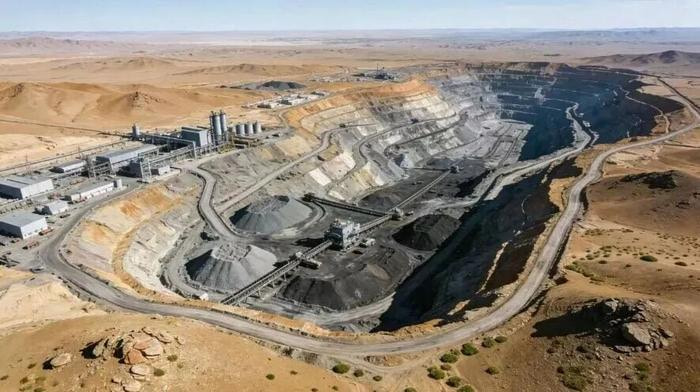
Perth: Western Australia ships the ore that European industrial policy has spent four years describing as indispensable, and the trade agreement signed this spring changes very little about how that ore travels.

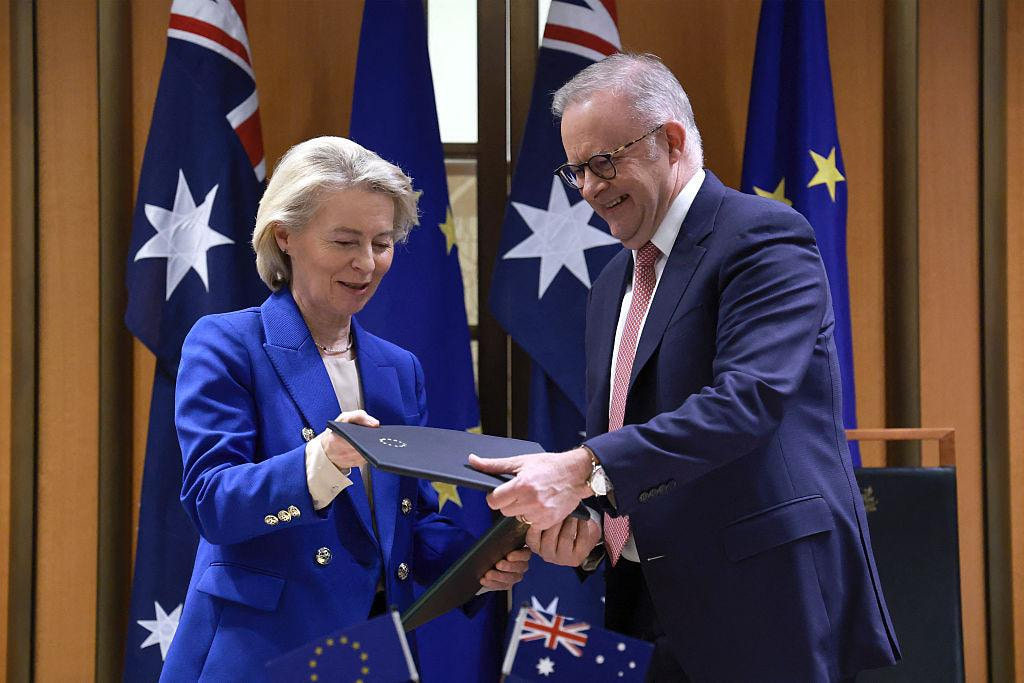
Negotiators concluded the Australia–EU free trade agreement in March 2026 after eight years of stop-start talks. The text removes tariffs on resources and critical minerals, promising duty-free access for lithium, antimony, tungsten and rare earths, and it formally upgrades the 2024 Strategic Partnership on Sustainable Critical Minerals into treaty language. Industry groups in Canberra called the outcome a structural win. The Minerals Council of Australia framed it as investment confidence rather than market access, which is a more honest description of what the deal does.

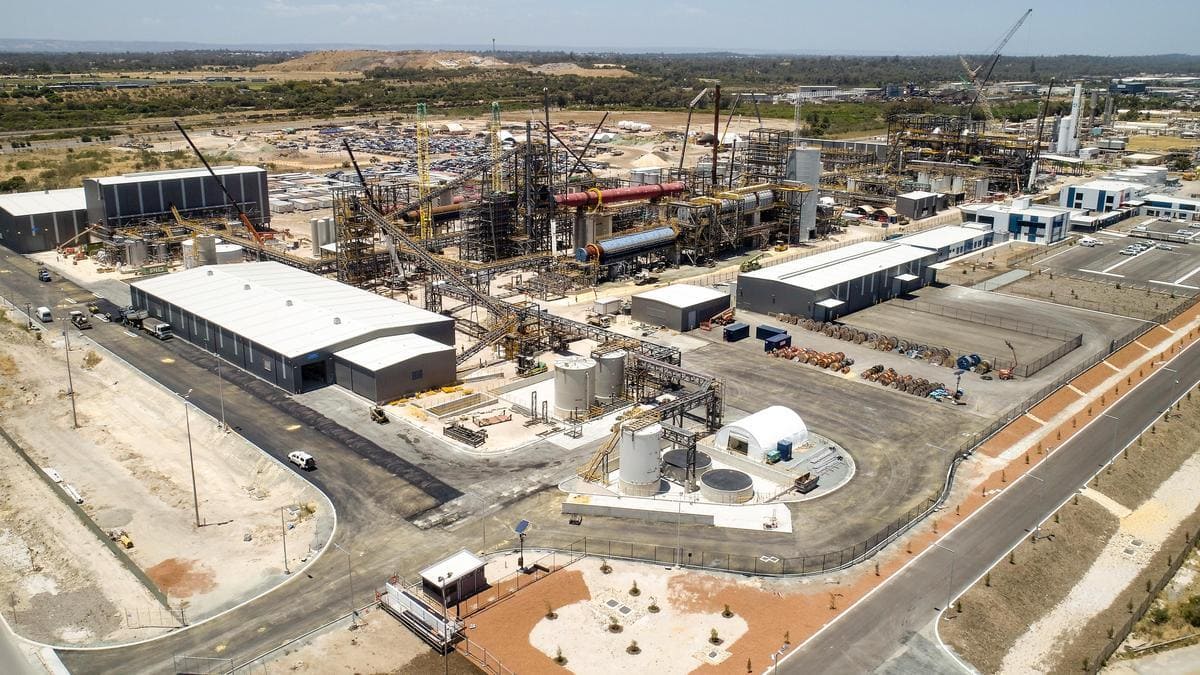
The distinction matters. Europe already imported most Australian ore at low or zero duty. Tariffs were never the binding constraint on this trade. The constraint sits downstream, in the refineries, separation plants and magnet lines that turn concentrate into something a European carmaker can install. Australia counts 49 mining projects and 29 midstream processing ventures looking for capital, with critical minerals export earnings projected to reach roughly A$18 billion in 2026-27. Almost none of that midstream capacity competes on cost with Chinese processors that amortised their plants a decade ago.

So the agreement functions less as a tariff instrument than as a signalling device for investors. It tells a fund weighing a Kalgoorlie refinery that European offtake carries legal protection. Whether that signal converts into concrete depends on price floors, offtake contracts and permitting speed, none of which a trade chapter controls.

Ratification is the next hurdle, and it will take longer than the applause suggested. The European Parliament must give consent, and the international trade committee will read the sustainability and labour chapters closely before it does. Where the text touches investment protection or other shared competences, national parliaments enter the process, and any one of them can slow the calendar by a year. Australian exporters who priced the deal into 2027 forecasts should read the ratification timetable rather than the press release.

Analysts have also cautioned that the arrangement does not solve Australia’s own dependence. Canberra sells raw material into a processing system Beijing dominates, and a European tariff line does not reroute a single tonne. Writing in April, The Diplomat made the point that the deal is no quick fix, and nothing since has contradicted it.

There is a counterargument worth stating. Trade agreements rarely move volumes on their own, but they lock in regulatory predictability, and predictability is what mining capital lacks most. If European buyers can now sign fifteen-year offtakes under a legal framework neither side can unilaterally rewrite, that is a real change even if the tariff schedule reads as boilerplate.

The test arrives when the first European gigafactory chooses between an Australian refined product and a cheaper Chinese one. Until a buyer pays the premium, the agreement remains a document about intentions. Ratification will tell us whether Europe treats it as a commercial instrument or a diplomatic one, and the vote count in Strasbourg will answer that question before any shipment does.