August 23, 2026
LATEST
Europe Now Runs Trade Defence Against China One Product at a TimeWhat Seoul Must Sign Before Korean Firms Can Touch SAFE MoneyNorth Korea’s Money Moves Faster Than Europe Can List Its OwnersNew Zealand Is Still Waiting for the Pact Japan and Korea SignedFarmers Won a CAP Budget Floor and Lost the Second PillarAustralia Wants Into Horizon Europe Before the Money DoublesOcean Act Drafters Face a Deadline and Two Rival DirectivesFive Joint Defence Projects Start With 325 Million in Seed MoneyVehicle Circularity Rules Now Land on Suppliers, Not Just CarmakersArmenia Is Halfway Through a Visa Roadmap of 74 BenchmarksSyria Regained a Trade Agreement While Sanctions Remain in PlaceHeatwave Preparedness Now Needs a Law, Not Another PlanEurope’s Tobacco Tax Overhaul Now Doubles as an EU Budget FixCrypto Rules Reopened Two Years After They Took EffectETIAS Has Quietly Lost the Only Launch Date It Ever Committed ToSteel Quotas Fell 47 Percent and Buyers Are Still AdjustingWill the Space Act Survive Its Second Half of Negotiations in CouncilFishermen Want More Herring While Scientists Advise Zero CodDestroying Unsold Clothes Became Illegal and Little Has ChangedCivil Society Gets Double the Money and Loses Its ProgrammeEurope Now Runs Trade Defence Against China One Product at a TimeWhat Seoul Must Sign Before Korean Firms Can Touch SAFE MoneyNorth Korea’s Money Moves Faster Than Europe Can List Its OwnersNew Zealand Is Still Waiting for the Pact Japan and Korea SignedFarmers Won a CAP Budget Floor and Lost the Second PillarAustralia Wants Into Horizon Europe Before the Money DoublesOcean Act Drafters Face a Deadline and Two Rival DirectivesFive Joint Defence Projects Start With 325 Million in Seed MoneyVehicle Circularity Rules Now Land on Suppliers, Not Just CarmakersArmenia Is Halfway Through a Visa Roadmap of 74 BenchmarksSyria Regained a Trade Agreement While Sanctions Remain in PlaceHeatwave Preparedness Now Needs a Law, Not Another PlanEurope’s Tobacco Tax Overhaul Now Doubles as an EU Budget FixCrypto Rules Reopened Two Years After They Took EffectETIAS Has Quietly Lost the Only Launch Date It Ever Committed ToSteel Quotas Fell 47 Percent and Buyers Are Still AdjustingWill the Space Act Survive Its Second Half of Negotiations in CouncilFishermen Want More Herring While Scientists Advise Zero CodDestroying Unsold Clothes Became Illegal and Little Has ChangedCivil Society Gets Double the Money and Loses Its Programme
August 23, 2026
LATEST
Europe Now Runs Trade Defence Against China One Product at a TimeWhat Seoul Must Sign Before Korean Firms Can Touch SAFE MoneyNorth Korea’s Money Moves Faster Than Europe Can List Its OwnersNew Zealand Is Still Waiting for the Pact Japan and Korea SignedFarmers Won a CAP Budget Floor and Lost the Second PillarAustralia Wants Into Horizon Europe Before the Money DoublesOcean Act Drafters Face a Deadline and Two Rival DirectivesFive Joint Defence Projects Start With 325 Million in Seed MoneyVehicle Circularity Rules Now Land on Suppliers, Not Just CarmakersArmenia Is Halfway Through a Visa Roadmap of 74 BenchmarksSyria Regained a Trade Agreement While Sanctions Remain in PlaceHeatwave Preparedness Now Needs a Law, Not Another PlanEurope’s Tobacco Tax Overhaul Now Doubles as an EU Budget FixCrypto Rules Reopened Two Years After They Took EffectETIAS Has Quietly Lost the Only Launch Date It Ever Committed ToSteel Quotas Fell 47 Percent and Buyers Are Still AdjustingWill the Space Act Survive Its Second Half of Negotiations in CouncilFishermen Want More Herring While Scientists Advise Zero CodDestroying Unsold Clothes Became Illegal and Little Has ChangedCivil Society Gets Double the Money and Loses Its ProgrammeEurope Now Runs Trade Defence Against China One Product at a TimeWhat Seoul Must Sign Before Korean Firms Can Touch SAFE MoneyNorth Korea’s Money Moves Faster Than Europe Can List Its OwnersNew Zealand Is Still Waiting for the Pact Japan and Korea SignedFarmers Won a CAP Budget Floor and Lost the Second PillarAustralia Wants Into Horizon Europe Before the Money DoublesOcean Act Drafters Face a Deadline and Two Rival DirectivesFive Joint Defence Projects Start With 325 Million in Seed MoneyVehicle Circularity Rules Now Land on Suppliers, Not Just CarmakersArmenia Is Halfway Through a Visa Roadmap of 74 BenchmarksSyria Regained a Trade Agreement While Sanctions Remain in PlaceHeatwave Preparedness Now Needs a Law, Not Another PlanEurope’s Tobacco Tax Overhaul Now Doubles as an EU Budget FixCrypto Rules Reopened Two Years After They Took EffectETIAS Has Quietly Lost the Only Launch Date It Ever Committed ToSteel Quotas Fell 47 Percent and Buyers Are Still AdjustingWill the Space Act Survive Its Second Half of Negotiations in CouncilFishermen Want More Herring While Scientists Advise Zero CodDestroying Unsold Clothes Became Illegal and Little Has ChangedCivil Society Gets Double the Money and Loses Its Programme

Why Two Billion Euros Cannot Fix the Caspian Ferry Bottleneck

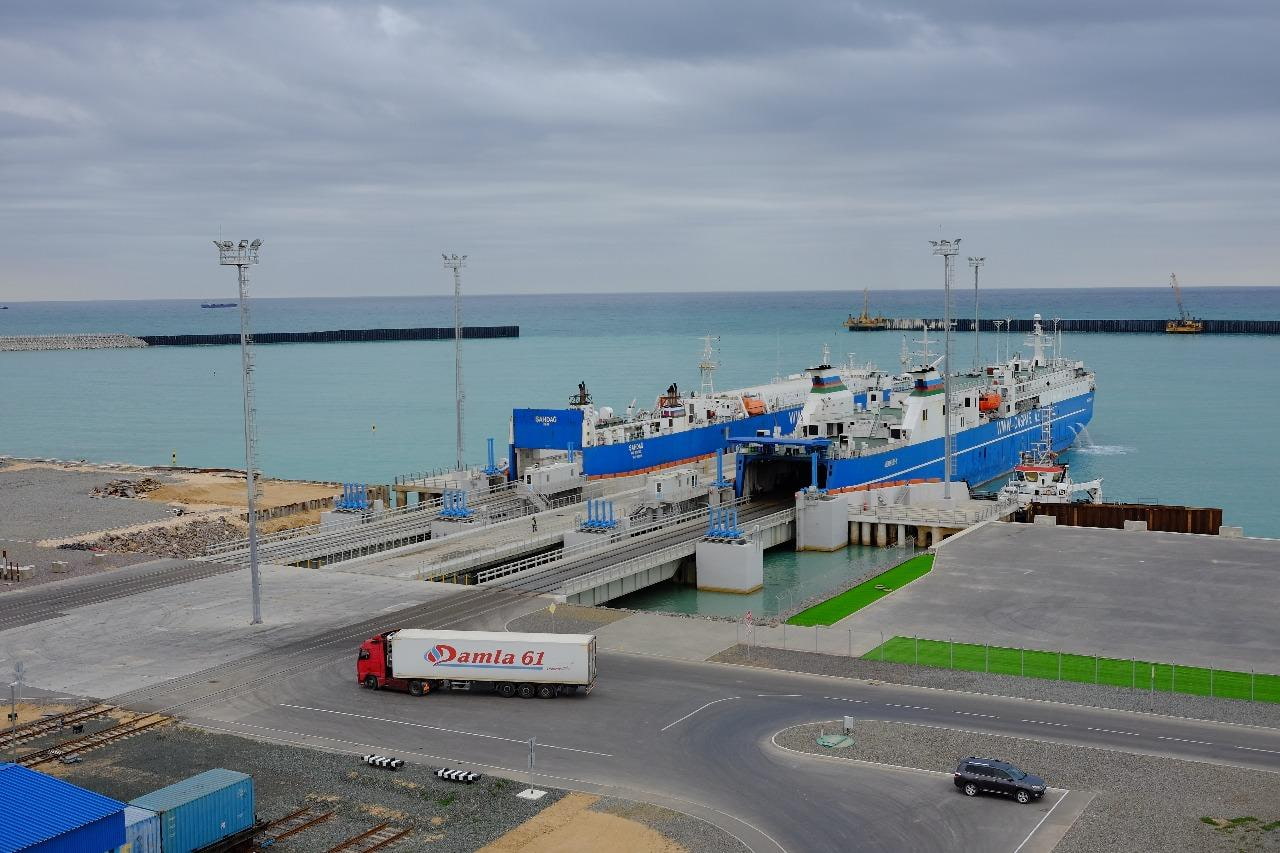
Aktau: The ferry berths on this stretch of the Kazakh Caspian coast handle the single most awkward link in the corridor that Brussels now describes as strategic. Cargo arrives by rail from the Chinese border, waits for a vessel, crosses roughly 500 kilometres of water to Azerbaijan, and joins a second railway on the far shore. Every EU document about the Trans-Caspian route eventually runs into that transfer.

The Commission has been busy around it. In June the enlargement, international partnerships and transport commissioners hosted a ministerial meeting and launched a Connectivity Agenda Platform covering transport, energy and digital links between Europe and Central Asia. Alongside it, the Commission signed statements of intent with international financial institutions expected to mobilise up to two billion euros for infrastructure, border crossing points and trade facilitation across the Black Sea region and the South Caucasus. That sits on top of the ten billion euros pledged for the corridor at the Global Gateway investors forum.

Nine partner governments sent ministers or senior officials to the June meeting: Armenia, Kazakhstan, the Kyrgyz Republic, Moldova, Tajikistan, Turkmenistan, Turkiye, Ukraine and Uzbekistan. That guest list explains both the ambition and the difficulty. A container moving from Central Asia to a European port crosses at least four customs jurisdictions, changes gauge, changes mode twice and depends on a ferry timetable that no single authority controls.

Money is not the binding constraint at that ferry. Vessel availability is. So is berth productivity at Aktau, Kuryk and Alat, and the habit of scheduling sailings around the cargo that happens to arrive rather than around a published slot. Shippers price transhipment risk into their rates, and two sea legs on one route make that risk expensive. A corridor can be physically capable and commercially unattractive at the same time, which is roughly where the Middle Corridor sits today.

The Commission’s own framing concedes as much. Officials talk about regulatory cooperation, digital customs documents and border crossing modernisation at least as often as they talk about track and cranes. Those are cheap fixes with long lead times, and they depend on the nine governments agreeing to synchronise procedures they currently run separately. The platform gives them a room to do that in. It does not give anyone the power to make them.

Estimates that cargo could rise fivefold over fifteen years deserve a sense of scale. The corridor still moves a small fraction of what the maritime route between Asia and Europe carries, and a fivefold rise from a small base remains a small number. The argument for the route was never volume. It was optionality after 2022, when the northern rail corridor through Russia and Belarus became commercially and politically awkward for European shippers.

There is a fair counterargument to the scepticism. Coordination forums are unglamorous and they work slowly, but border waiting times and paperwork are where most of the transit time is actually lost, not on the rails. If the platform produces a common transit document and predictable ferry slots, it will have done more for the corridor than another financing announcement.

The test is narrow and checkable. Watch whether the platform publishes a schedule of sailings and border crossing targets before the next ministerial, and whether any of the two billion euros lands on Caspian port equipment rather than on studies. Corridors are made of timetables. Europe has funded the map and is still waiting on the clock.