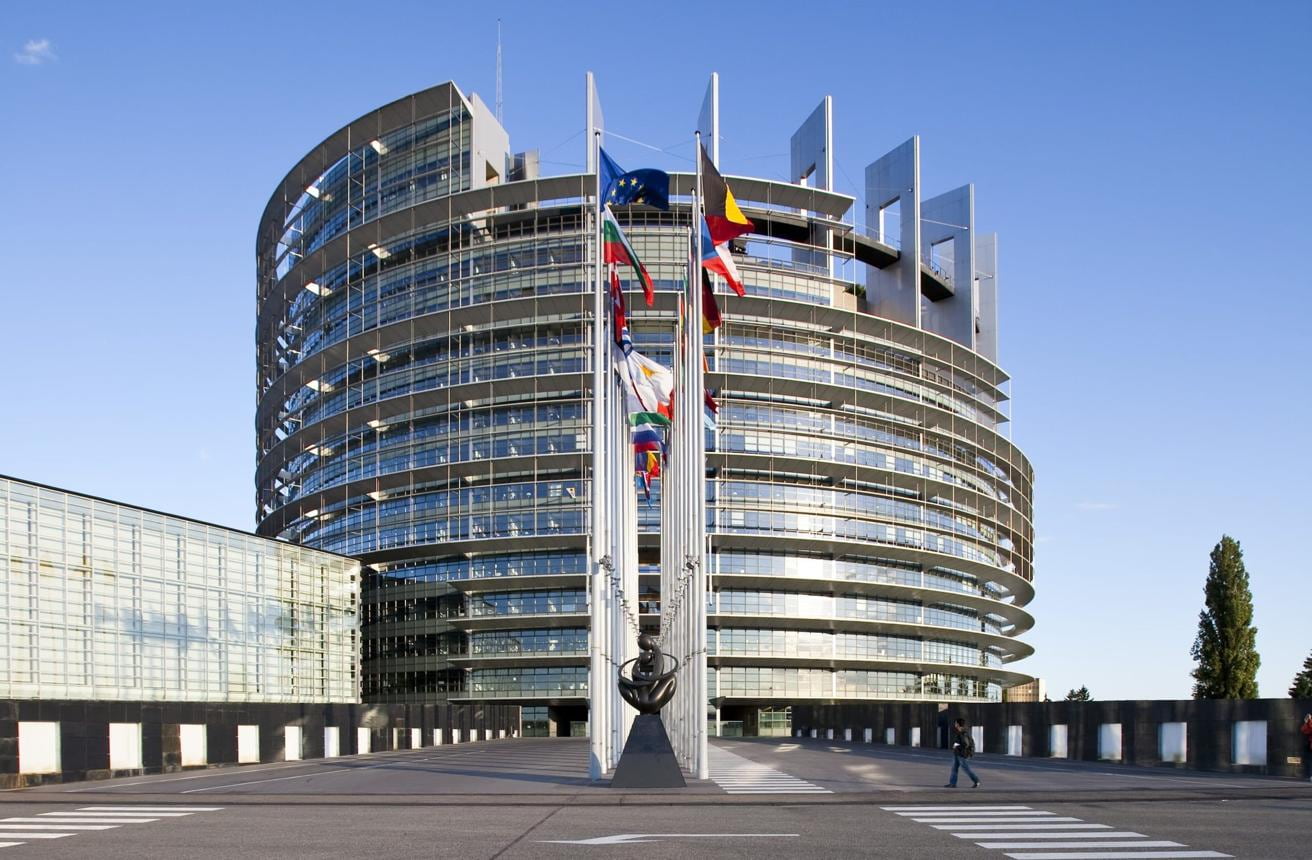
Strasbourg: The pharma package cleared its parliamentary committee in March and still waits for a plenary vote that Parliament has not scheduled, leaving Europe’s largest medicines overhaul in more than two decades stuck between political agreement and published law. Negotiators closed the deal on 11 December 2025, and the file has moved slowly ever since.
The sequence explains the wait. Member state ambassadors in Coreper I endorsed the compromise texts in early March, Parliament’s health committee approved them on 18 March, and lawyer-linguists then took the files to check 24 language versions. Council adoption follows that check, plenary follows Council, and publication in the Official Journal follows both.
None of that is unusual, but the calendar carries consequences. The new regulation applies 24 months after entry into force, and member states get the same period to transpose the accompanying directive. Every month of procedural delay pushes real application further into 2028, and companies planning launch sequences cannot yet fix a date.
The substance justifies the attention. The pharma package replaces a legal framework built in 2004, when the industry looked different and medicine shortages were a national irritation rather than a European file. It sets eight years of regulatory data protection plus one year of market protection, with extensions that can reach 11 years for medicines addressing unmet needs or carrying an additional indication.
Antibiotics get the most contested tool in the package. A company that develops a genuinely new antimicrobial can earn a transferable voucher granting an extra year of market protection on any product in its portfolio, and it can sell that voucher to another firm. Health payers dislike the mechanism because the cost lands on whichever blockbuster the voucher eventually shields from generic competition.
Defenders answer that nothing else has worked. Pull incentives, prize funds and national subscription models have produced few novel antibiotic classes, while resistance keeps climbing, and a transferable voucher at least pays out only when a company delivers. That argument won the negotiation, though the final text caps how often the tool can be used.
Supply security drew the other main fight. Manufacturers will have to notify shortages earlier, publish prevention plans and act on critical shortages, and the EU will maintain a list of critical medicines with monitoring attached. Member states also gain power to require companies benefiting from data or market exclusivity to supply protected medicines in adequate quantities.
Environmental rules round out the reform. Companies seeking to place a medicine on the EU market face environmental risk assessments and mitigation duties, a response to research finding antimicrobial residues in European water. The European Medicines Agency has already opened an implementation hub for the guidance that will follow.
Patients feature in the governance too. The reform seats patient representatives on the agency’s main scientific committee and trims approval timelines, changes that sound modest until a rare disease community waits three years for an opinion. Generic manufacturers, meanwhile, want the revised Bolar exemption in force quickly so they can prepare filings without litigation risk.
The open question is whether autumn delivers. Parliament returns in September with a long-term budget fight dominating floor time, and a file that everyone has already agreed to tends to slip behind files that people still argue about. Industry, payers and patient groups will spend the next two months making sure it does not.