September 19, 2026
LATEST
Cities Under Housing Stress Gain Power Over Short-Term RentalsTrawler Effort Rules Hold as 2027 Med Quotas Reach the CouncilEstonian Borrowers Absorb a Quarter Point Decided in FrankfurtSmall Parcels Get a Handling Fee as Europe’s Customs Reform ClearsMoving Out at 26.3 Reveals a Ten-Year Gap Across the Single MarketTwelve New Medicines Clear the Committee That Decides AccessManila Must Open Public Contracts Before Europe Signs AnythingEurope’s KIDS Act Would Put Parents Back in Charge of AccountsArmenian Apricots Reach Europe Only Through Narrow Tariff QuotasMyanmar’s Crisis Outgrows the Aid Envelope Europe Built for ItJapan Joins Horizon Europe for the Price of a Rounding ErrorIndia’s Trade Deal Now Waits on the Council and Two ParliamentsBeijing Gets an October Date and a Very Short Deliverables ListJudges Strike Down Estonia’s Deposit for European CandidatesSolidarity Fund Pays for Storms Eight Months After the WaterFreight Tariffs Decide Whether the Middle Corridor Reaches ScaleFolding the Diplomatic Service Into the Commission Needs UnanimityCritical Raw Materials Corporation Tests EU StockpilingHeatwave Plan Tests Europe’s Climate Adaptation GapEuropean Security Council Faces a Missing Legal BaseCities Under Housing Stress Gain Power Over Short-Term RentalsTrawler Effort Rules Hold as 2027 Med Quotas Reach the CouncilEstonian Borrowers Absorb a Quarter Point Decided in FrankfurtSmall Parcels Get a Handling Fee as Europe’s Customs Reform ClearsMoving Out at 26.3 Reveals a Ten-Year Gap Across the Single MarketTwelve New Medicines Clear the Committee That Decides AccessManila Must Open Public Contracts Before Europe Signs AnythingEurope’s KIDS Act Would Put Parents Back in Charge of AccountsArmenian Apricots Reach Europe Only Through Narrow Tariff QuotasMyanmar’s Crisis Outgrows the Aid Envelope Europe Built for ItJapan Joins Horizon Europe for the Price of a Rounding ErrorIndia’s Trade Deal Now Waits on the Council and Two ParliamentsBeijing Gets an October Date and a Very Short Deliverables ListJudges Strike Down Estonia’s Deposit for European CandidatesSolidarity Fund Pays for Storms Eight Months After the WaterFreight Tariffs Decide Whether the Middle Corridor Reaches ScaleFolding the Diplomatic Service Into the Commission Needs UnanimityCritical Raw Materials Corporation Tests EU StockpilingHeatwave Plan Tests Europe’s Climate Adaptation GapEuropean Security Council Faces a Missing Legal Base
September 19, 2026
LATEST
Cities Under Housing Stress Gain Power Over Short-Term RentalsTrawler Effort Rules Hold as 2027 Med Quotas Reach the CouncilEstonian Borrowers Absorb a Quarter Point Decided in FrankfurtSmall Parcels Get a Handling Fee as Europe’s Customs Reform ClearsMoving Out at 26.3 Reveals a Ten-Year Gap Across the Single MarketTwelve New Medicines Clear the Committee That Decides AccessManila Must Open Public Contracts Before Europe Signs AnythingEurope’s KIDS Act Would Put Parents Back in Charge of AccountsArmenian Apricots Reach Europe Only Through Narrow Tariff QuotasMyanmar’s Crisis Outgrows the Aid Envelope Europe Built for ItJapan Joins Horizon Europe for the Price of a Rounding ErrorIndia’s Trade Deal Now Waits on the Council and Two ParliamentsBeijing Gets an October Date and a Very Short Deliverables ListJudges Strike Down Estonia’s Deposit for European CandidatesSolidarity Fund Pays for Storms Eight Months After the WaterFreight Tariffs Decide Whether the Middle Corridor Reaches ScaleFolding the Diplomatic Service Into the Commission Needs UnanimityCritical Raw Materials Corporation Tests EU StockpilingHeatwave Plan Tests Europe’s Climate Adaptation GapEuropean Security Council Faces a Missing Legal BaseCities Under Housing Stress Gain Power Over Short-Term RentalsTrawler Effort Rules Hold as 2027 Med Quotas Reach the CouncilEstonian Borrowers Absorb a Quarter Point Decided in FrankfurtSmall Parcels Get a Handling Fee as Europe’s Customs Reform ClearsMoving Out at 26.3 Reveals a Ten-Year Gap Across the Single MarketTwelve New Medicines Clear the Committee That Decides AccessManila Must Open Public Contracts Before Europe Signs AnythingEurope’s KIDS Act Would Put Parents Back in Charge of AccountsArmenian Apricots Reach Europe Only Through Narrow Tariff QuotasMyanmar’s Crisis Outgrows the Aid Envelope Europe Built for ItJapan Joins Horizon Europe for the Price of a Rounding ErrorIndia’s Trade Deal Now Waits on the Council and Two ParliamentsBeijing Gets an October Date and a Very Short Deliverables ListJudges Strike Down Estonia’s Deposit for European CandidatesSolidarity Fund Pays for Storms Eight Months After the WaterFreight Tariffs Decide Whether the Middle Corridor Reaches ScaleFolding the Diplomatic Service Into the Commission Needs UnanimityCritical Raw Materials Corporation Tests EU StockpilingHeatwave Plan Tests Europe’s Climate Adaptation GapEuropean Security Council Faces a Missing Legal Base

Indonesia Wants an October Signature Europe Has Not Scheduled

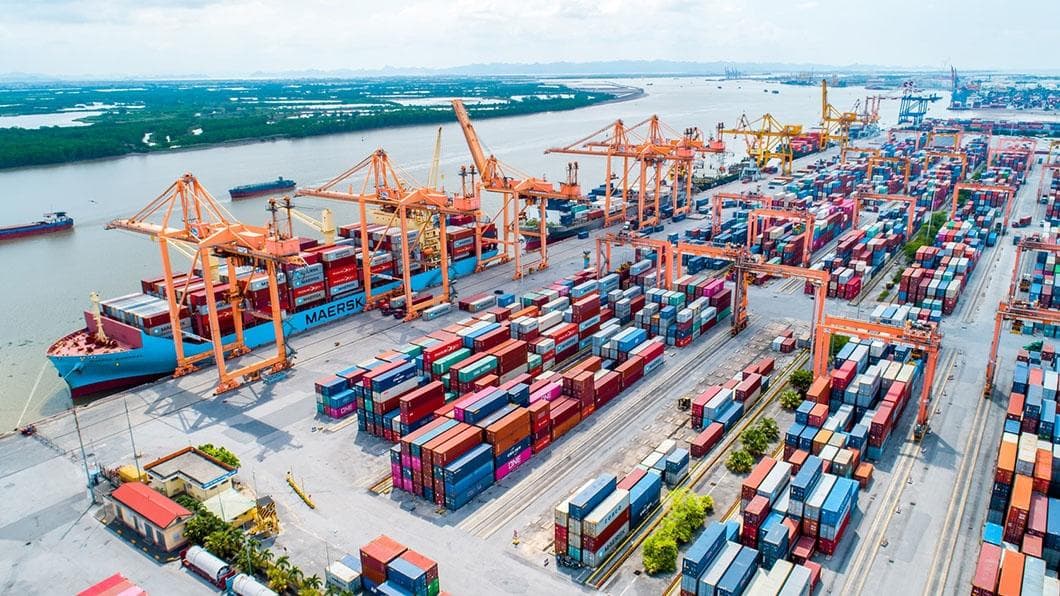
Morowali: The industrial park on Sulawesi’s eastern coast processes more nickel than most countries mine, and it exists because Jakarta decided in 2020 that unprocessed ore would no longer leave the country. Brussels took that decision to the World Trade Organization and won. Six years later the same two parties are trying to sign the most consequential trade agreement the European Union has concluded in Southeast Asia, and the smelters at Morowali are one reason the timetable is tighter than it looks.

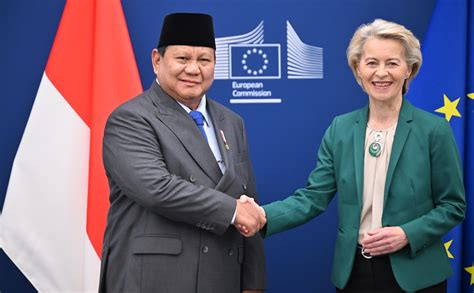
The Commission presented the Comprehensive Economic Partnership Agreement and its companion investment protection agreement to the Council on 29 June 2026, seeking authorisation to sign and conclude. On the European side the offer is expansive: duties removed on 98.5 per cent of tariff lines, customs procedures simplified, and a services and procurement package that goes further than anything the Union has agreed with an ASEAN economy. Indonesian ministers have said publicly they want signature in October and ratification finished in the second half of the year, with entry into force in early 2027.

That schedule assumes a Council decision, a signature ceremony, and then consent from the European Parliament. Only the first of those is within the Commission’s gift. Parliamentary consent for trade agreements has become the genuine variable in European commercial policy, and the Indonesia file carries two issues that European legislators have shown themselves willing to spend political capital on.

The first is deforestation. Indonesia is the world’s largest palm oil producer, and the Union’s deforestation regulation has been the single most contentious element of the bilateral relationship for three years. Jakarta has treated the due diligence requirements as a disguised barrier; Brussels has treated them as non-negotiable environmental law that applies equally to Polish timber. The trade agreement does not repeal the regulation and was never going to, but its ratification debate will be where the argument is rehearsed.

The second is raw materials, and it runs the other way. Europe wants secure access to Indonesian nickel, cobalt and bauxite for a battery industry whose supply chains currently pass overwhelmingly through Chinese-owned processing capacity, much of it located in parks like Morowali. Indonesia wants European investment in downstream production rather than an arrangement that reproduces the extractive pattern with a different customer. The agreement’s energy and raw materials chapter is where those two wishes are supposed to meet, and it contains commitments on export restrictions that Jakarta’s own industrial policy has spent six years building.

Timing compounds the difficulty. The Parliament’s autumn calendar is already crowded, and trade files rarely jump the queue unless a member state pushes. France and Ireland have historically been the most sceptical audiences for agricultural market access, though Indonesia’s export profile makes that a smaller fight than Mercosur. The more plausible delay is technical: legal scrubbing, translation into twenty-four languages, and the split between the trade agreement, which the Union can conclude alone, and the investment protection agreement, which requires every national parliament. The EU-Vietnam experience is the warning here, where the investment text has waited years for the last member states to move.

Indonesian officials are right that the substantive negotiation is finished. They are optimistic about what finished means in European procedure. An October signature remains possible, but signature is the midpoint of this process rather than its conclusion, and the parts that follow are the parts Jakarta cannot influence.