Competition enforcers have spent a decade circling software platforms. This summer they walked into a dentist’s surgery instead.
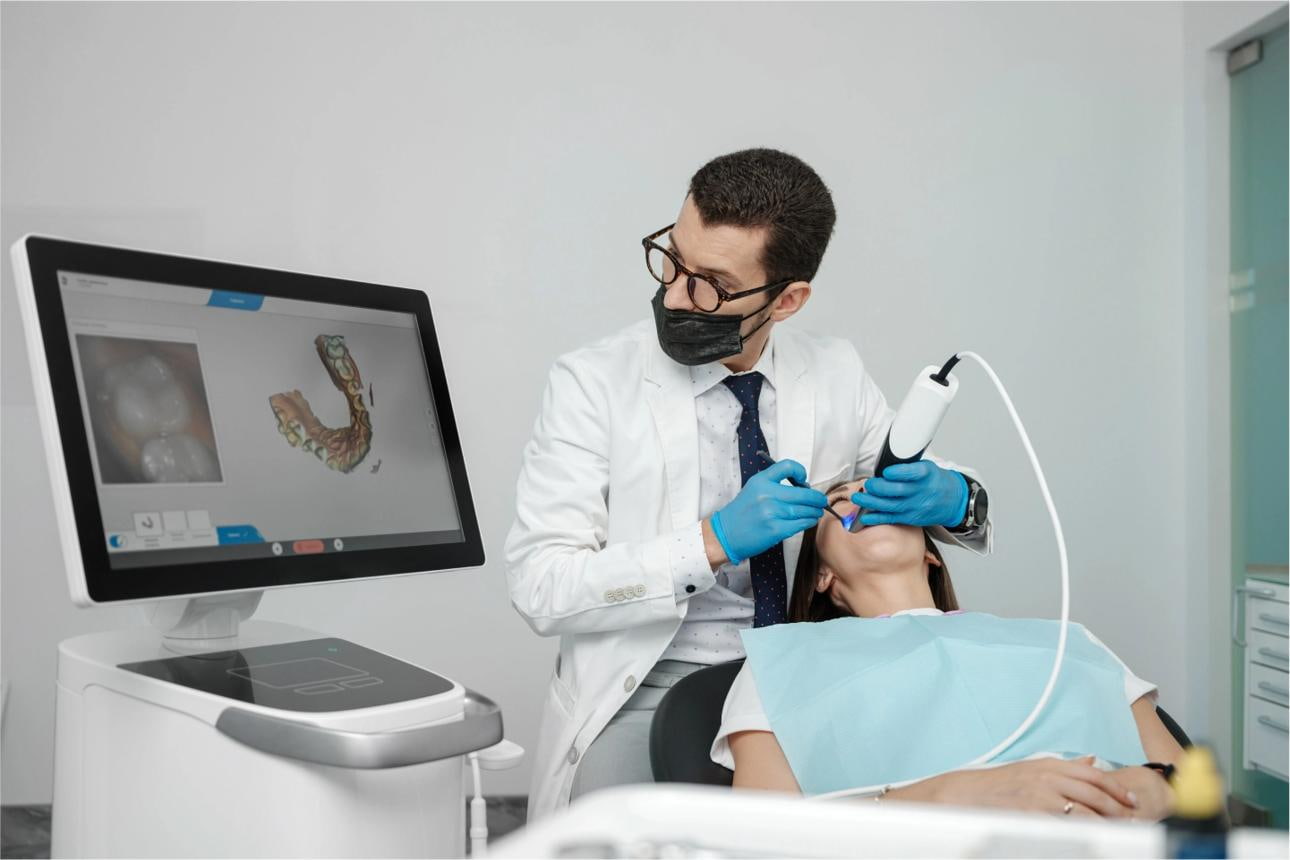
The European Commission opened formal antitrust proceedings against Align Technology on 30 June 2026, registering the file as Case AT.40900. The American company sells Invisalign, the clear plastic aligners that have largely replaced fixed braces for adult patients, and iTero, the intra-oral scanner that dentists use to build a digital model of a patient’s mouth. The Commission suspects Align of tying the two products together across the European Economic Area, and of refusing since 2017 to let scans generated by rival scanners flow automatically into the Invisalign ordering system. A competitor lodged the complaint. Officials confirmed it as the first formal antitrust investigation the Commission has ever opened in the medical devices sector, and they are running it under Article 102 of the Treaty and Article 54 of the EEA Agreement. You can follow the case through the Commission’s competition news page.
The theory of harm here is worth pausing on, because it does not turn on price. Nobody alleges Align charges too much for an aligner. The allegation is about a technical gate: if a clinic buys a scanner from another manufacturer, the argument goes, that clinic loses the frictionless path to ordering the market-leading aligner and has to work around the system. Interoperability, not tariffs, becomes the lever.
That framing puts clinical hardware on the same analytical footing as an operating system or an app store. Dentists sink real money into a scanner, train staff on it, and build patient records inside it. Switching costs of that kind convert a scanner purchase into a multi-year commitment. If the dominant aligner supplier controls which scanners talk to its ordering pipeline, it shapes the scanner market from a position it earned somewhere else.
Align rejects the characterisation and says it will cooperate with the inquiry, which is the standard opening move and tells us little. The company’s stronger card is clinical. Aligner treatment depends on scan accuracy, and a manufacturer can plausibly argue that it validates specific hardware before accepting data that will drive a physical product fitted inside a patient’s mouth. Safety justifications carry weight in medical devices in a way they never did in ad tech.
The Commission will have to establish dominance in aligners first, and that market definition is contested. Fixed braces still exist. So do smaller aligner brands and a growing direct-to-consumer segment. Draw the market widely enough and Align’s share stops looking decisive.
Antitrust investigations carry no legal deadline, so anyone expecting a decision this year will wait. A statement of objections would be the next visible step, and none has issued. If the case eventually lands, the obvious remedy is not a fine but an obligation to publish and honour an open interface for scan submission, which would let any certified scanner reach the ordering system.
Two audiences should watch closely. Device manufacturers across Europe now know that closed digital ecosystems built around clinical equipment sit inside the Commission’s field of view. Health ministries, meanwhile, might notice that a competition case can do work that procurement rules have not managed, by prying open the data formats that lock clinics into single suppliers.