August 22, 2026
LATEST
Korea Signed a Digital Trade Deal That Nobody Has RatifiedCritical Minerals in Mongolia Still Have to Cross Two BordersCan an Indonesia Trade Deal Survive Two Years of RatifyingCross-Border Data Orders Went Live Before the Plumbing DidPlatform Work Rules Take Effect in December and Few Are ReadyCan Europe’s Firefighting Fleet Keep Pace With EU WildfiresThe AI Act Deadline Passed on 2 August and Nothing BitWhy Construction Keeps Shrinking While Confidence ImprovesAccession Talks Stall Again and September 1 Is the TestBrussels Applied a Trade Deal It Cannot Yet RatifyAfrica’s Power Market Now Needs Money More Than BlueprintsLong-Term Budget Talks Enter Autumn Without a Council LineForeign Subsidies Enforcement Now Turns on a Dublin RaidWho Writes Europe’s Telecom Rules Once Copper DisappearsDisability Cards Exist on Paper and Nowhere Else Until 2028Losing Visa-Free Travel Now Takes a Thirty Percent SwingTwenty Flagship Actions Will Test Whether the Culture Compass WorksEurope’s Quality Jobs Act Now Rests on What Unions Do by SeptemberDoes a Three Euro Parcel Duty Change Anything About Cheap ImportsEurope’s Satellite Constellation Grew by 66 Before a Single LaunchKorea Signed a Digital Trade Deal That Nobody Has RatifiedCritical Minerals in Mongolia Still Have to Cross Two BordersCan an Indonesia Trade Deal Survive Two Years of RatifyingCross-Border Data Orders Went Live Before the Plumbing DidPlatform Work Rules Take Effect in December and Few Are ReadyCan Europe’s Firefighting Fleet Keep Pace With EU WildfiresThe AI Act Deadline Passed on 2 August and Nothing BitWhy Construction Keeps Shrinking While Confidence ImprovesAccession Talks Stall Again and September 1 Is the TestBrussels Applied a Trade Deal It Cannot Yet RatifyAfrica’s Power Market Now Needs Money More Than BlueprintsLong-Term Budget Talks Enter Autumn Without a Council LineForeign Subsidies Enforcement Now Turns on a Dublin RaidWho Writes Europe’s Telecom Rules Once Copper DisappearsDisability Cards Exist on Paper and Nowhere Else Until 2028Losing Visa-Free Travel Now Takes a Thirty Percent SwingTwenty Flagship Actions Will Test Whether the Culture Compass WorksEurope’s Quality Jobs Act Now Rests on What Unions Do by SeptemberDoes a Three Euro Parcel Duty Change Anything About Cheap ImportsEurope’s Satellite Constellation Grew by 66 Before a Single Launch
August 22, 2026
LATEST
Korea Signed a Digital Trade Deal That Nobody Has RatifiedCritical Minerals in Mongolia Still Have to Cross Two BordersCan an Indonesia Trade Deal Survive Two Years of RatifyingCross-Border Data Orders Went Live Before the Plumbing DidPlatform Work Rules Take Effect in December and Few Are ReadyCan Europe’s Firefighting Fleet Keep Pace With EU WildfiresThe AI Act Deadline Passed on 2 August and Nothing BitWhy Construction Keeps Shrinking While Confidence ImprovesAccession Talks Stall Again and September 1 Is the TestBrussels Applied a Trade Deal It Cannot Yet RatifyAfrica’s Power Market Now Needs Money More Than BlueprintsLong-Term Budget Talks Enter Autumn Without a Council LineForeign Subsidies Enforcement Now Turns on a Dublin RaidWho Writes Europe’s Telecom Rules Once Copper DisappearsDisability Cards Exist on Paper and Nowhere Else Until 2028Losing Visa-Free Travel Now Takes a Thirty Percent SwingTwenty Flagship Actions Will Test Whether the Culture Compass WorksEurope’s Quality Jobs Act Now Rests on What Unions Do by SeptemberDoes a Three Euro Parcel Duty Change Anything About Cheap ImportsEurope’s Satellite Constellation Grew by 66 Before a Single LaunchKorea Signed a Digital Trade Deal That Nobody Has RatifiedCritical Minerals in Mongolia Still Have to Cross Two BordersCan an Indonesia Trade Deal Survive Two Years of RatifyingCross-Border Data Orders Went Live Before the Plumbing DidPlatform Work Rules Take Effect in December and Few Are ReadyCan Europe’s Firefighting Fleet Keep Pace With EU WildfiresThe AI Act Deadline Passed on 2 August and Nothing BitWhy Construction Keeps Shrinking While Confidence ImprovesAccession Talks Stall Again and September 1 Is the TestBrussels Applied a Trade Deal It Cannot Yet RatifyAfrica’s Power Market Now Needs Money More Than BlueprintsLong-Term Budget Talks Enter Autumn Without a Council LineForeign Subsidies Enforcement Now Turns on a Dublin RaidWho Writes Europe’s Telecom Rules Once Copper DisappearsDisability Cards Exist on Paper and Nowhere Else Until 2028Losing Visa-Free Travel Now Takes a Thirty Percent SwingTwenty Flagship Actions Will Test Whether the Culture Compass WorksEurope’s Quality Jobs Act Now Rests on What Unions Do by SeptemberDoes a Three Euro Parcel Duty Change Anything About Cheap ImportsEurope’s Satellite Constellation Grew by 66 Before a Single Launch

Storage Tanks Sit Ten Points Low as Europe Counts Down to Winter

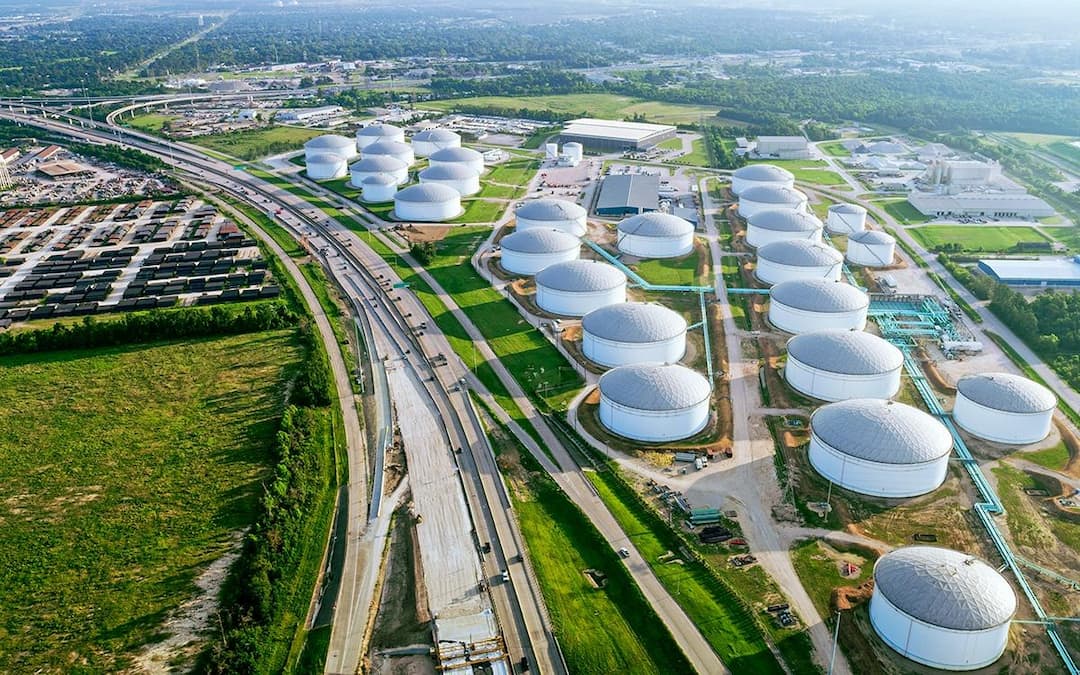
Traders who fill Europe’s underground caverns face an arithmetic problem this summer that no piece of legislation can solve for them. Gas storage sites across the European Union held roughly 60 percent of working capacity in mid-August, some ten percentage points under the seasonal norm and the thinnest late-summer cushion the bloc has carried since 2018.

The season began badly. On 1 April, when the injection window opened, average European storage stood near 28 percent, below the opening level of each of the three previous summers. Operators spent April and May clawing back ground, reached about 49 percent by early July, and have since injected at a pace that keeps the relaxed 80 percent benchmark within reach while quietly abandoning the old 90 percent ambition.

That gap between 80 and 90 explains most of the argument now running through the Council. Legislators softened the storage regulation earlier this year, converting a hard 90 percent target with a fixed 1 November deadline into a more forgiving band with a wider filling window. The Commission then invited governments to use those flexibilities as Middle East hostilities pushed cargo prices upward. The EU energy department still publishes the filling framework as a security-of-supply instrument, but the instrument now bends where it once bound.

Regulators have put numbers on what full compliance would cost. The Agency for the Cooperation of Energy Regulators calculates that liquefied natural gas imports would need to rise roughly 13 percent above 2025 levels for Europe to hit 90 percent before winter. Holding to 80 percent, by contrast, works at last year’s import volumes. The regulator is not describing a technical constraint so much as a price one: Europe can buy the molecules, but it must outbid Asian buyers to get them.

Market structure compounds the problem. Summer gas has traded at or above winter gas for stretches of this year, which destroys the ordinary commercial logic of storage. A trader injects in summer and withdraws in winter because the spread pays for the capacity booking and the cost of capital. Erase the spread and the trader stops volunteering. Analysts flagged this inversion in July, and the injection figures since then bear them out.

Defenders of the softer target make a reasonable case. A rigid deadline turns every August into a seller’s market, because counterparties know European buyers must purchase regardless of price. Removing the obligation removes the premium. Several finance ministries argue that consumers pay less over a full cycle under a flexible rule than under a strict one, even if the November stock number looks less comforting.

The counterargument is equally plain. Storage exists to absorb a shock nobody schedules. A cold January, a supply interruption, or a Russian pipeline decision would test a 60 percent cushion in ways spreadsheets rarely model. Governments in central and eastern member states, which depend most heavily on stored gas and hold the least alternative import capacity, carry the risk that a Dutch or Belgian trading desk never sees on its screen.

Energy ministers return to Brussels in the autumn with the storage figure in front of them. If the injection rate holds, they will meet the relaxed target and declare the reform vindicated. If it slips, the argument about who bears the cost of an empty cavern will begin in earnest, and it will begin in the middle of the heating season rather than before it.