Kwinana: The refinery south of Perth converts spodumene concentrate into battery-grade lithium hydroxide, and the engineers who run it have spent this year reading a minerals deal eight years in the making. Australia and the European Union closed negotiations on 24 March 2026. The text strips tariffs from almost every energy and resource export Australia sends north, lithium hydroxide and hydrogen among them, retiring duties that ran to roughly five and a half per cent.
Five and a half points sounds trivial. For a refiner competing against Chinese processors who already hold the scale advantage, it decides which cargo a German cell plant buys. Canberra values the wider agreement at about ten billion Australian dollars a year. Australian industry bodies read it less as a tariff cut than as investment certainty, and that reading is the more honest one. Capital for processing plants moves on twenty-year horizons, and a rules-based market-access floor outweighs the duty line on any spreadsheet.
Brussels wants the same outcome from the opposite direction. The bloc has watched upstream minerals become leverage, and its answer is to buy from suppliers who will not turn shipments into policy. Australia holds the geology. It lacks midstream capacity, and the agreement builds none of that by itself.
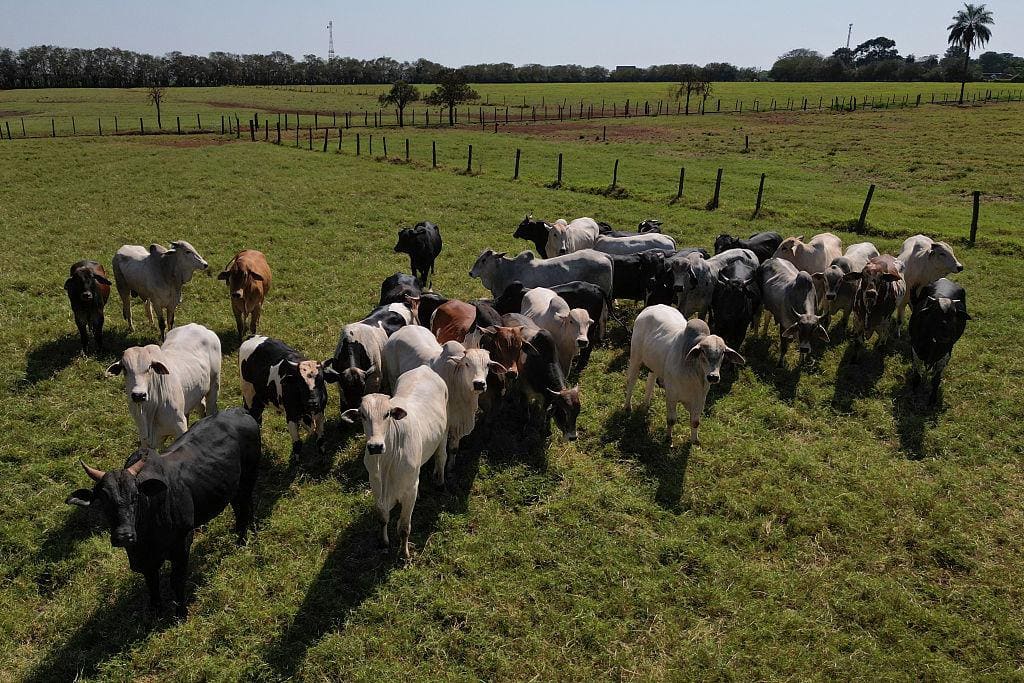
The obstacle sits in the European Parliament, which must give consent and cannot change a comma. MEPs approve or reject the whole package, agricultural quotas included, and French livestock producers have already asked them to reject it. Beef and lamb access collapsed these talks in 2023. The compromise that revived them is now the compromise that could sink ratification. The Commission file sets out the text; it cannot deliver the votes.
Timelines compound the uncertainty. Signature is expected in early to mid-2027, after which both sides need domestic procedures that Australian guidance says may take another year. Late 2027 is the optimistic date for entry into force. A refinery board approving an expansion this quarter is betting on a vote nobody has scheduled.
Both sides of the farm argument deserve a hearing. European producers are not inventing their exposure; quota volumes land in a market already absorbing Mercosur and Ukrainian competition, and rural incomes in France and Ireland carry real political weight. Their opponents answer that a parliament which blocks a minerals agreement over lamb tells every resource-rich partner that European market access stays hostage to a sector worth a fraction of the strategic value at issue. Both propositions can hold at once, which is precisely why the vote will be close.
One quieter provision deserves attention. The agreement carries professional mobility terms running to four years. Processing plants fail on engineers rather than on ore, and moving metallurgists between Perth and Antwerp without visa friction is the sort of unglamorous clause that turns tariff-free access into actual tonnage.
The honest assessment is that Europe has bought an option rather than a supply chain. Removing tariffs makes Australian material competitive; it does not conjure refined volumes at the scale European gigafactories need before 2030. Closing that gap demands offtake contracts, public co-investment and a tolerance for prices above the Chinese benchmark. None of those appear in a trade text. All of them will decide whether this minerals deal reads, in five years, as a turning point or a communique.