August 29, 2026
LATEST
What Europe Needs From the GCC Summit Riyadh Will Host in AutumnData Rules Agreed With Seoul Now Wait on Parliament’s ConsentChina Listed Fourteen European Firms and November Ends the TruceWhy Australia’s Finished Trade Deal Still Has No Signature DateLate Application Leaves Tokyo Outside the Defence Loan QueueCyber Resilience Rules Give Makers 24 Hours From SeptemberWinter Stocks Test Europe’s New Gas Storage Flexibility RulesInnovation Theory Meets Merger Control in a New Commission StudyMercosur Tariffs Fell in May and the Court Has Not Ruled YetBilaterals III Now Turns on Which Referendum Switzerland PicksDark Patterns Face the EU Digital Fairness ActFifteen Chapters Stand Between Montenegro and 2028Who Blinks First in the FP10 Research Budget FightCustoms Reform Landed in March and Its Data Hub Opens in 2028Victims Rights Gain an EU Helpline and Capitals Have Two YearsIreland Must Move the EU Budget Box Before the October SummitFertiliser Prices Sit 71 Percent Above Their 2024 Average LevelState Aid Exemptions Face a Rewrite With Four Months to SpareIrregular Crossings Fell 37 Percent and Spain Is the ExceptionSpring Growth Went to Ireland and Skipped Belgium EntirelyWhat Europe Needs From the GCC Summit Riyadh Will Host in AutumnData Rules Agreed With Seoul Now Wait on Parliament’s ConsentChina Listed Fourteen European Firms and November Ends the TruceWhy Australia’s Finished Trade Deal Still Has No Signature DateLate Application Leaves Tokyo Outside the Defence Loan QueueCyber Resilience Rules Give Makers 24 Hours From SeptemberWinter Stocks Test Europe’s New Gas Storage Flexibility RulesInnovation Theory Meets Merger Control in a New Commission StudyMercosur Tariffs Fell in May and the Court Has Not Ruled YetBilaterals III Now Turns on Which Referendum Switzerland PicksDark Patterns Face the EU Digital Fairness ActFifteen Chapters Stand Between Montenegro and 2028Who Blinks First in the FP10 Research Budget FightCustoms Reform Landed in March and Its Data Hub Opens in 2028Victims Rights Gain an EU Helpline and Capitals Have Two YearsIreland Must Move the EU Budget Box Before the October SummitFertiliser Prices Sit 71 Percent Above Their 2024 Average LevelState Aid Exemptions Face a Rewrite With Four Months to SpareIrregular Crossings Fell 37 Percent and Spain Is the ExceptionSpring Growth Went to Ireland and Skipped Belgium Entirely
August 29, 2026
LATEST
What Europe Needs From the GCC Summit Riyadh Will Host in AutumnData Rules Agreed With Seoul Now Wait on Parliament’s ConsentChina Listed Fourteen European Firms and November Ends the TruceWhy Australia’s Finished Trade Deal Still Has No Signature DateLate Application Leaves Tokyo Outside the Defence Loan QueueCyber Resilience Rules Give Makers 24 Hours From SeptemberWinter Stocks Test Europe’s New Gas Storage Flexibility RulesInnovation Theory Meets Merger Control in a New Commission StudyMercosur Tariffs Fell in May and the Court Has Not Ruled YetBilaterals III Now Turns on Which Referendum Switzerland PicksDark Patterns Face the EU Digital Fairness ActFifteen Chapters Stand Between Montenegro and 2028Who Blinks First in the FP10 Research Budget FightCustoms Reform Landed in March and Its Data Hub Opens in 2028Victims Rights Gain an EU Helpline and Capitals Have Two YearsIreland Must Move the EU Budget Box Before the October SummitFertiliser Prices Sit 71 Percent Above Their 2024 Average LevelState Aid Exemptions Face a Rewrite With Four Months to SpareIrregular Crossings Fell 37 Percent and Spain Is the ExceptionSpring Growth Went to Ireland and Skipped Belgium EntirelyWhat Europe Needs From the GCC Summit Riyadh Will Host in AutumnData Rules Agreed With Seoul Now Wait on Parliament’s ConsentChina Listed Fourteen European Firms and November Ends the TruceWhy Australia’s Finished Trade Deal Still Has No Signature DateLate Application Leaves Tokyo Outside the Defence Loan QueueCyber Resilience Rules Give Makers 24 Hours From SeptemberWinter Stocks Test Europe’s New Gas Storage Flexibility RulesInnovation Theory Meets Merger Control in a New Commission StudyMercosur Tariffs Fell in May and the Court Has Not Ruled YetBilaterals III Now Turns on Which Referendum Switzerland PicksDark Patterns Face the EU Digital Fairness ActFifteen Chapters Stand Between Montenegro and 2028Who Blinks First in the FP10 Research Budget FightCustoms Reform Landed in March and Its Data Hub Opens in 2028Victims Rights Gain an EU Helpline and Capitals Have Two YearsIreland Must Move the EU Budget Box Before the October SummitFertiliser Prices Sit 71 Percent Above Their 2024 Average LevelState Aid Exemptions Face a Rewrite With Four Months to SpareIrregular Crossings Fell 37 Percent and Spain Is the ExceptionSpring Growth Went to Ireland and Skipped Belgium Entirely

Asylum Claims Now Turn on Where an Applicant Passed Through

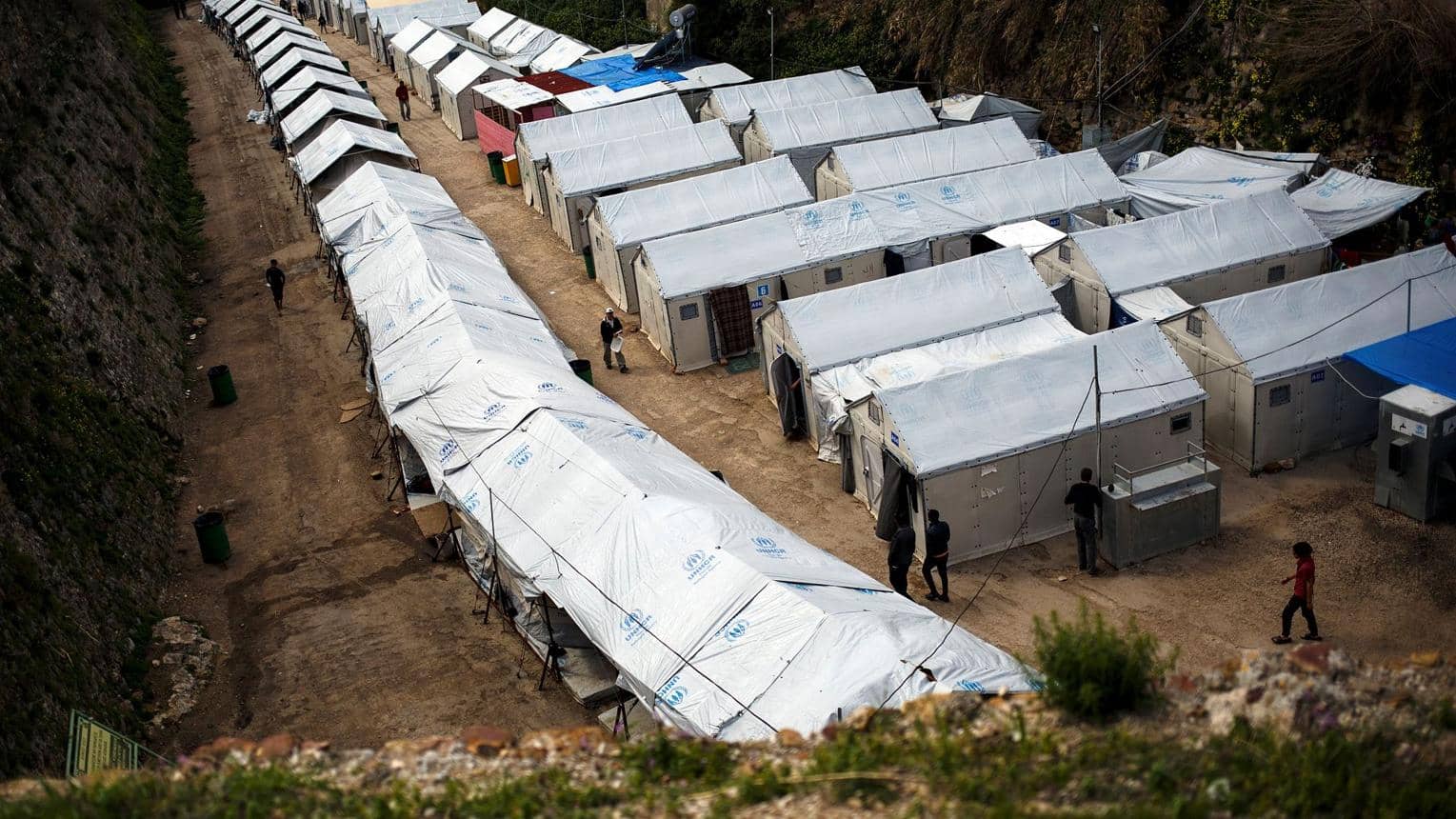
Chios: Caseworkers on the Greek islands began applying a different first question on 12 June 2026. Before examining whether an applicant fears persecution, they must now examine where that applicant travelled. The revised safe third country concept entered application alongside the asylum procedures regulation, and it converts a transit route into a legal ground for declaring a claim inadmissible.

The change originated in a provisional deal struck in December 2025 under the Danish presidency and confirmed by Parliament in February 2026. It widens the circumstances in which a member state can refuse to assess a claim on its merits. Where an applicant holds a connection to a third country, or merely passed through one where effective protection could have been requested, the authority may close the file without reaching the substance.

Greek practice illustrates why the wording carries weight. Athens already designated Turkey as safe for several nationalities, and Turkish authorities have declined readmissions for years. An inadmissibility decision that cannot be executed leaves the applicant in the country, without status and without a decision on protection. The new rules widen the category of such cases rather than resolving what happens next.

The Council also adopted the first bloc-wide list of safe countries of origin in the same package. That list operates differently. It creates a rebuttable presumption that a national of a listed country does not need protection, which accelerates procedures but preserves an individual examination. The safe third country rule removes the examination altogether, and that distinction explains why the second instrument drew far sharper criticism than the first.

Amnesty International argues the revision undermines the bloc’s commitment to refugee protection by allowing rejections without any merits assessment. Human Rights Watch warns that individualised assessment erodes when transit alone suffices. Both organisations point to the same structural risk. Protection standards in the transit country receive a general designation rather than a case-specific test, and the applicant carries the burden of rebutting it.

Governments answer that the previous system rewarded onward movement. An applicant who reached safety in one country and continued to a preferred destination triggered a full second procedure, which consumed capacity that overstretched authorities needed elsewhere. Ministers in several capitals describe the connection requirement as a modest filter rather than a barrier, and they note that national courts retain full review.

That review is where the file will be decided. National judges must interpret what constitutes a genuine connection and what counts as effective protection, and they will reach different answers. Referrals to the Court of Justice look inevitable within a year, and the resulting case law will determine whether the reform delivers the throughput ministers promised or produces twenty-seven divergent standards under one regulation.

Chios processes a fraction of the arrivals it handled a decade ago. The rules written for that earlier pressure now apply to a smaller and more contested caseload, and the islands will show first whether inadmissibility on paper translates into departure in practice.