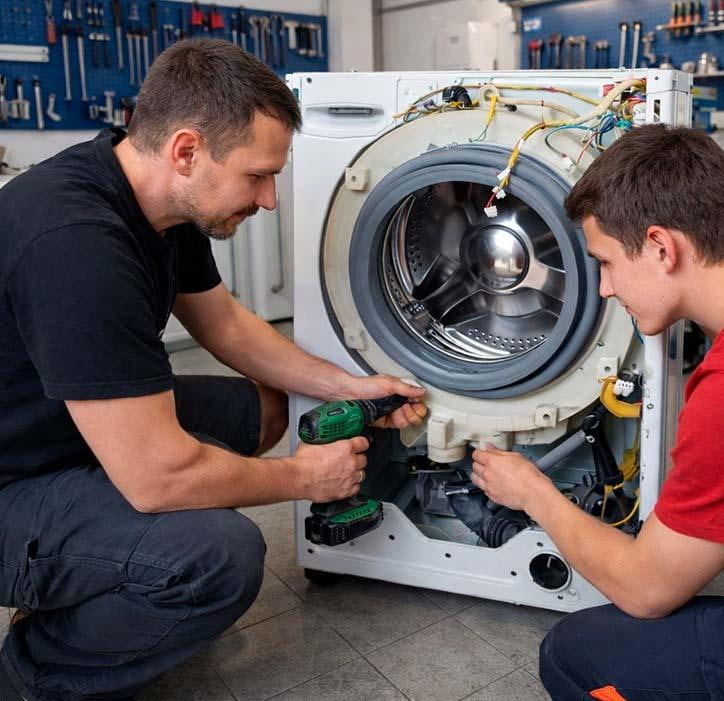
Graz: The independent workshops that fix washing machines here have been waiting two years for a directive that finally started applying on 31 July, and the first month has clarified what it does and does not deliver. The Right to Repair Directive obliges manufacturers to repair covered goods at a reasonable price and within a reasonable time even after the legal guarantee has run out.
The covered list is specific rather than universal. It reaches washing machines, dishwashers, refrigerators, vacuum cleaners, electronic displays, mobile phones, tablets and servers, drawing on products that already carry ecodesign repairability requirements. A consumer who chooses repair over replacement during the guarantee period gets a twelve-month extension of that guarantee running from completion of the repair, which is the provision most likely to change behaviour because it removes the penalty for picking the slower option.
Then comes the complication. This is a directive, not a regulation, so what binds a manufacturer is not the EU text but 27 national transpositions of it. Germany passed its Reparaturgesetz on 26 June, five weeks before the application date, and Germany is routinely described as one of the faster capitals. Others have used delegated legislation, and several were still finalising implementing measures in July. A brand selling across the single market therefore answers to a patchwork whose definitions of reasonable price and reasonable time were drafted by different ministries.
The directive tries to compensate with infrastructure. Member states must run at least one online platform matching consumers with repairers and sellers of refurbished goods, and manufacturers must supply spare parts and repair information to independent repairers at non-discriminatory prices. That last obligation is the one that decides whether the law reaches beyond authorised service networks, and it is also the hardest to police, because a part priced at three-quarters of a new appliance is technically available and practically not.
Repair advocates have pushed for years for a European repair index that would make the obligation measurable. France operates one nationally, and the directive stops short of harmonising it. Without a common metric, enforcement depends on consumer complaints reaching authorities who must then judge reasonableness case by case.
The economic logic is straightforward enough. Small appliance repair is labour-intensive, geographically distributed and difficult to offshore, so shifting demand towards it keeps money and jobs local while cutting waste. The counterargument from manufacturers is that mandatory repair obligations raise the cost of putting a product on the market and push cheap models out, which hurts exactly the households the rules mean to help.
Both claims are plausible and neither is yet testable. What is clear after one month is that the directive’s effect will vary by member state for longer than its drafters intended, and that the platforms meant to connect consumers with repairers are live in only a handful of capitals.