August 29, 2026
LATEST
What Europe Needs From the GCC Summit Riyadh Will Host in AutumnHolding Limits Still Block a Digital Euro Deal Before DecemberData Rules Agreed With Seoul Now Wait on Parliament’s ConsentChina Listed Fourteen European Firms and November Ends the TruceWhy Australia’s Finished Trade Deal Still Has No Signature DateLate Application Leaves Tokyo Outside the Defence Loan QueueCyber Resilience Rules Give Makers 24 Hours From SeptemberWinter Stocks Test Europe’s New Gas Storage Flexibility RulesInnovation Theory Meets Merger Control in a New Commission StudyMercosur Tariffs Fell in May and the Court Has Not Ruled YetBilaterals III Now Turns on Which Referendum Switzerland PicksDark Patterns Face the EU Digital Fairness ActFifteen Chapters Stand Between Montenegro and 2028Who Blinks First in the FP10 Research Budget FightCustoms Reform Landed in March and Its Data Hub Opens in 2028Victims Rights Gain an EU Helpline and Capitals Have Two YearsIreland Must Move the EU Budget Box Before the October SummitFertiliser Prices Sit 71 Percent Above Their 2024 Average LevelState Aid Exemptions Face a Rewrite With Four Months to SpareIrregular Crossings Fell 37 Percent and Spain Is the ExceptionWhat Europe Needs From the GCC Summit Riyadh Will Host in AutumnHolding Limits Still Block a Digital Euro Deal Before DecemberData Rules Agreed With Seoul Now Wait on Parliament’s ConsentChina Listed Fourteen European Firms and November Ends the TruceWhy Australia’s Finished Trade Deal Still Has No Signature DateLate Application Leaves Tokyo Outside the Defence Loan QueueCyber Resilience Rules Give Makers 24 Hours From SeptemberWinter Stocks Test Europe’s New Gas Storage Flexibility RulesInnovation Theory Meets Merger Control in a New Commission StudyMercosur Tariffs Fell in May and the Court Has Not Ruled YetBilaterals III Now Turns on Which Referendum Switzerland PicksDark Patterns Face the EU Digital Fairness ActFifteen Chapters Stand Between Montenegro and 2028Who Blinks First in the FP10 Research Budget FightCustoms Reform Landed in March and Its Data Hub Opens in 2028Victims Rights Gain an EU Helpline and Capitals Have Two YearsIreland Must Move the EU Budget Box Before the October SummitFertiliser Prices Sit 71 Percent Above Their 2024 Average LevelState Aid Exemptions Face a Rewrite With Four Months to SpareIrregular Crossings Fell 37 Percent and Spain Is the Exception
August 29, 2026
LATEST
What Europe Needs From the GCC Summit Riyadh Will Host in AutumnHolding Limits Still Block a Digital Euro Deal Before DecemberData Rules Agreed With Seoul Now Wait on Parliament’s ConsentChina Listed Fourteen European Firms and November Ends the TruceWhy Australia’s Finished Trade Deal Still Has No Signature DateLate Application Leaves Tokyo Outside the Defence Loan QueueCyber Resilience Rules Give Makers 24 Hours From SeptemberWinter Stocks Test Europe’s New Gas Storage Flexibility RulesInnovation Theory Meets Merger Control in a New Commission StudyMercosur Tariffs Fell in May and the Court Has Not Ruled YetBilaterals III Now Turns on Which Referendum Switzerland PicksDark Patterns Face the EU Digital Fairness ActFifteen Chapters Stand Between Montenegro and 2028Who Blinks First in the FP10 Research Budget FightCustoms Reform Landed in March and Its Data Hub Opens in 2028Victims Rights Gain an EU Helpline and Capitals Have Two YearsIreland Must Move the EU Budget Box Before the October SummitFertiliser Prices Sit 71 Percent Above Their 2024 Average LevelState Aid Exemptions Face a Rewrite With Four Months to SpareIrregular Crossings Fell 37 Percent and Spain Is the ExceptionWhat Europe Needs From the GCC Summit Riyadh Will Host in AutumnHolding Limits Still Block a Digital Euro Deal Before DecemberData Rules Agreed With Seoul Now Wait on Parliament’s ConsentChina Listed Fourteen European Firms and November Ends the TruceWhy Australia’s Finished Trade Deal Still Has No Signature DateLate Application Leaves Tokyo Outside the Defence Loan QueueCyber Resilience Rules Give Makers 24 Hours From SeptemberWinter Stocks Test Europe’s New Gas Storage Flexibility RulesInnovation Theory Meets Merger Control in a New Commission StudyMercosur Tariffs Fell in May and the Court Has Not Ruled YetBilaterals III Now Turns on Which Referendum Switzerland PicksDark Patterns Face the EU Digital Fairness ActFifteen Chapters Stand Between Montenegro and 2028Who Blinks First in the FP10 Research Budget FightCustoms Reform Landed in March and Its Data Hub Opens in 2028Victims Rights Gain an EU Helpline and Capitals Have Two YearsIreland Must Move the EU Budget Box Before the October SummitFertiliser Prices Sit 71 Percent Above Their 2024 Average LevelState Aid Exemptions Face a Rewrite With Four Months to SpareIrregular Crossings Fell 37 Percent and Spain Is the Exception

Cyprus Gets a Firefighting Station as Nine Countries Call for Help

Nicosia: Nine countries have activated the European civil protection mechanism for wildfires since June, and the season has weeks left to run. That figure, current as of 24 August, sits alongside the largest pre-positioning exercise the Union has attempted. Roughly 800 firefighters spent the summer stationed in countries other than their own, waiting for calls that mostly came.

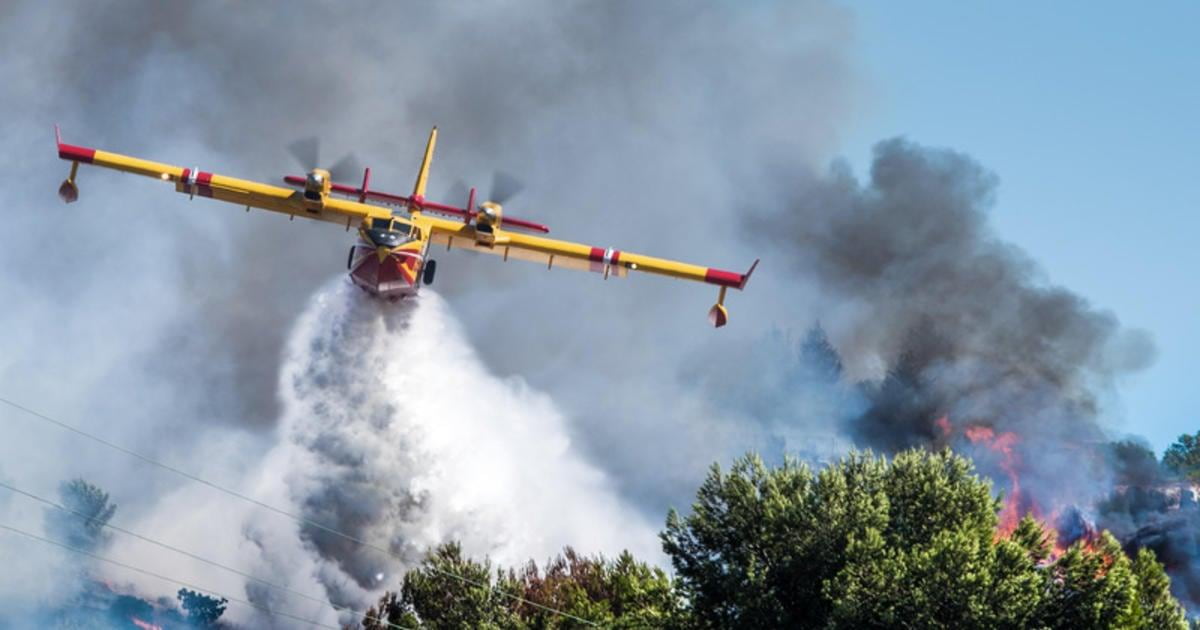
Cyprus now becomes the anchor for the next phase. The Commission is opening a regional firefighting station on the island that will host six aircraft on standby and run training and exercises for civil protection staff from Europe and the southern Mediterranean. The 2026 deployment was already described as the largest ever when it launched in June.

Geography explains the choice. Aircraft flown from Spain or Italy to a fire in the eastern Mediterranean lose hours that fires use well. A base in Cyprus shortens that transit and puts capacity near the countries that increasingly need it, including partners outside the Union that have requested European support in recent seasons.

The model itself deserves scrutiny. rescEU exists as a reserve of last resort, deployed when national capacities and the voluntary pool run short. Its designers assumed that shortfall would be occasional. Nine activations in one summer suggests it has become routine, and a reserve used routinely is not a reserve. Several national civil protection directors have said so publicly, arguing that European aircraft now substitute for national investment rather than supplementing it.

Money makes the argument sharp. Buying and maintaining amphibious aircraft costs more than most interior ministries can justify against competing demands, and the fleet available across Europe is ageing faster than manufacturers replace it. Countries that decline to buy know the European fleet will arrive. Countries that buy watch their assets deployed abroad. Neither outcome encourages the investment the system needs.

Prevention receives far less attention than the aircraft. Fire behaviour experts have argued for years that land management, controlled burning and rural depopulation policy shape a season more than suppression capacity does. Those measures produce no photographs of water bombers and no press releases in July, and they sit with agriculture and regional ministries rather than civil protection agencies.

The Cyprus station will open into a debate rather than settle one. It shortens response times and gives practitioners somewhere to train together, which matters when crews from different countries must coordinate on a shared fire line. It does not answer whether Europe is building a genuine reserve or quietly nationalising a service that member states have stopped funding themselves.