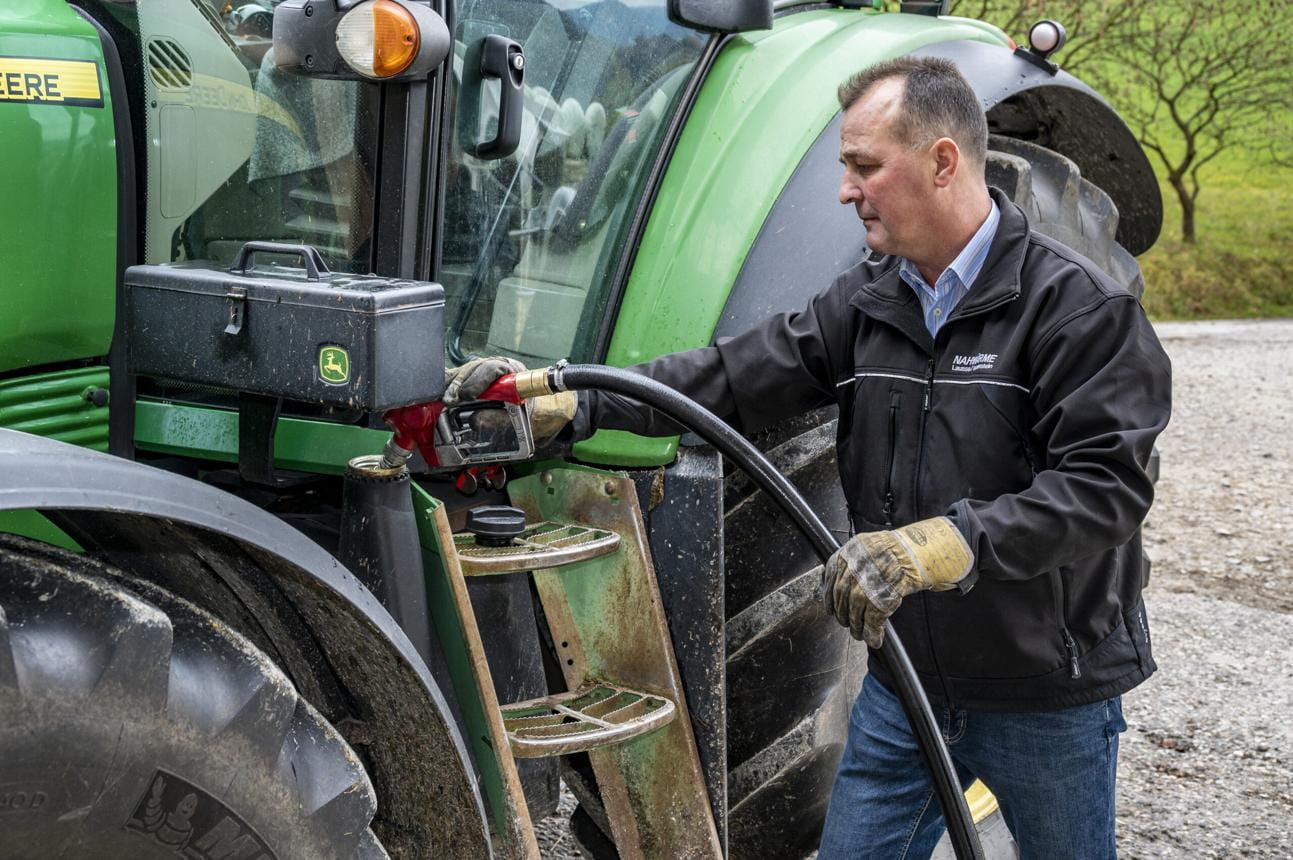
Luxembourg: Four EU governments want EAFRD fuel support to cover the rising cost of fuel on farms, and they put the request in front of agriculture ministers at the Agriculture and Fisheries Council in Luxembourg on 26 October 2026. Italy, Czechia, Romania and Slovakia asked the Council to extend exceptional temporary support from the European Agricultural Fund for Rural Development, which is currently limited to fertiliser costs, to agricultural fuel.
The request appeared as an any other business item on an agenda chaired by Ireland’s agriculture minister Martin Heydon. Under the idea, member states would decide voluntarily whether to activate EAFRD fuel support, so no government would be forced to use it. The published agenda lists the item as exceptional temporary EAFRD support for increased agricultural costs, and no outcome had been published at the time of writing.
The fertiliser precedent matters. In July 2026 the Council adopted targeted measures to support farmers facing high fertiliser costs, which created the narrow window these countries now want widened. Extending EAFRD fuel support would apply the same logic to fuel, which governments in the countries asking for help say is squeezing farm margins.
Energy prices explain the urgency behind EAFRD fuel support. Eurostat reported that annual inflation in the euro area rose to 3.8% in September 2026 from 3.2%, and its figures for August showed prices of fuels and lubricants for personal transport up 23.8% on the year. Petroleum oil imports into the EU cost 55.8% more in the second quarter, although the volume rose only 1.2%.
The fuel item sat beside a heavier file. Ministers also worked on a partial negotiating position on the post-2027 common agricultural policy regulation, which leaves aside financially sensitive questions such as capping and degressivity of aid because those depend on the 2028 to 2034 budget talks. Other items included climate adaptation, unfair trading practices, integrated farm statistics and an outbreak of Xylella fastidiosa in the Luxembourg Moselle wine region. France, backed by Portugal, Cyprus, Czechia, Hungary and Slovakia, sought higher payments for agri-environmental practices and investment in water conservation, while Austria, Czechia, the Netherlands and Slovenia proposed a farm census every ten years with an intermediate sample survey.
For farmers the practical question is simple. If governments agree to open the rural development fund to fuel costs, the support could reach holdings quickly, but it would also draw on money meant for longer-term investment. How ministers weigh that trade-off will decide whether EAFRD fuel support becomes a real tool or stays a request on the table.