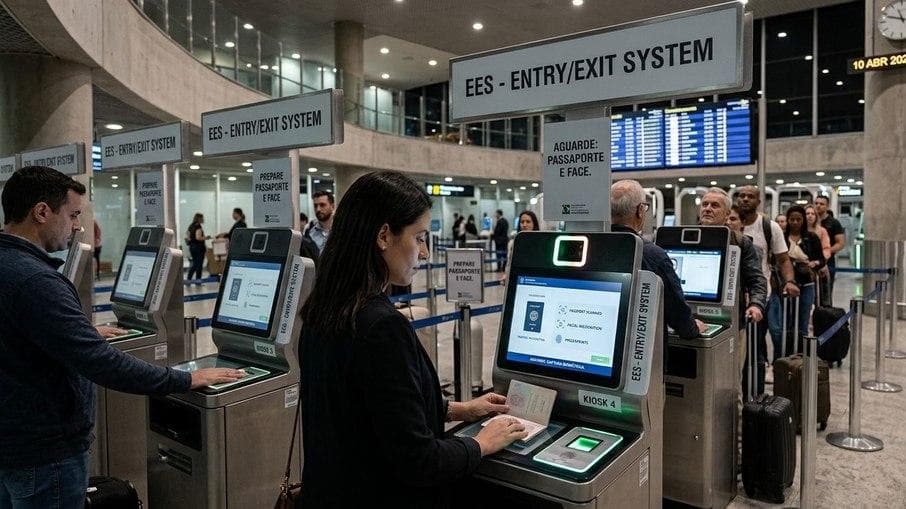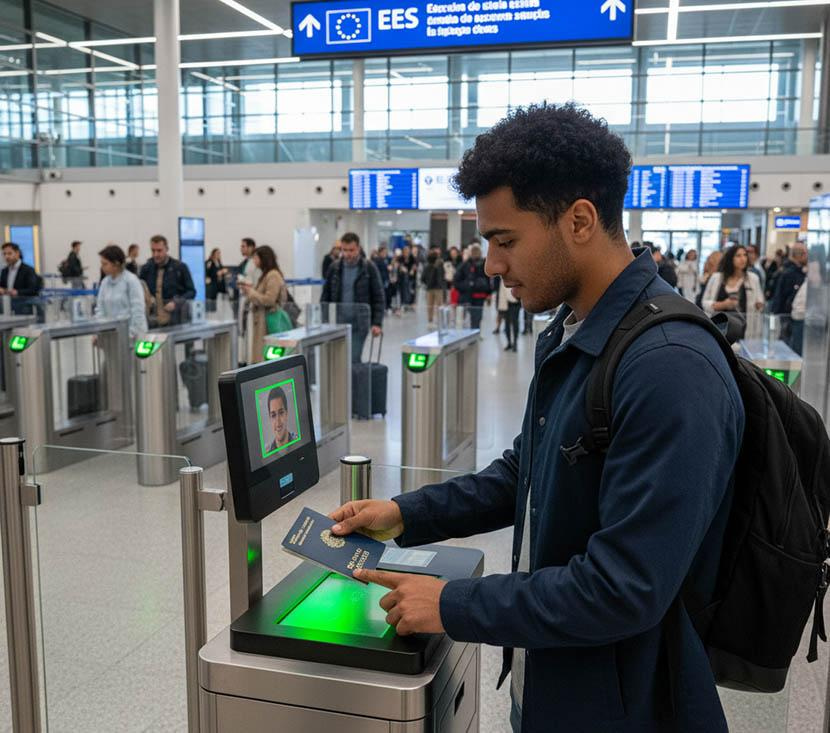
Zagreb: After a launch that rattled travellers and border staff alike, the union’s new digital frontier is settling down. The Entry/Exit System, which records the fingerprints and facial images of non-EU visitors as they cross external borders, became fully operational in April. Officials now say the technology has reached what they call a normal operational mode, even as they admit the human side will take longer to smooth out.
The Entry Exit system replaces the old ritual of stamping passports by hand. Instead, biometric data and the dates of each crossing are logged automatically, letting authorities track who has overstayed the ninety-day limit that applies to short visits. In its first months the system registered around seventeen million travellers and more than thirty million crossings, a scale that left little room for error.
Error, inevitably, arrived. Different countries switched on the system at different speeds and interpreted the rules in their own ways, producing queues at some airports and confusion at others. A deputy director at Frontex, the bloc’s border agency, described the task of capturing fingerprints from first-time visitors as the hardest part of the whole exercise, and warned that full stabilisation could take a year or two.
The agency managing the underlying IT platform has struck a more confident note, saying the system now runs in stable technical conditions. Both statements can be true at once. The servers may hum along smoothly while the experience on the ground still depends on staffing, signage and how well individual border posts prepared their travellers for a process that asks for more than a glance at a passport.
For the union, the payoff is data. A complete, shared record of entries and exits makes it far harder to overstay unnoticed and gives security services a clearer picture of movement across the external frontier. It also lays the groundwork for the linked travel authorisation scheme that will require visa-exempt visitors to register online before they arrive, tightening the net further.
Critics worry about the privacy implications of a bloc-wide biometric database and about the burden on travellers from countries that have long enjoyed easy access. Supporters answer that manual stamping was slow, unreliable and easy to abuse, and that a modern border needs modern records. The Commission has published practical guidance on how the system works for visitors trying to make sense of the change.
The lesson of the first months is patience. Big border technologies rarely arrive fully formed, and this one carries the added complication of many national administrations moving at their own pace. The machines, it seems, were the easy part. Teaching an entire continent’s border posts to use them the same way is the slower work now underway.