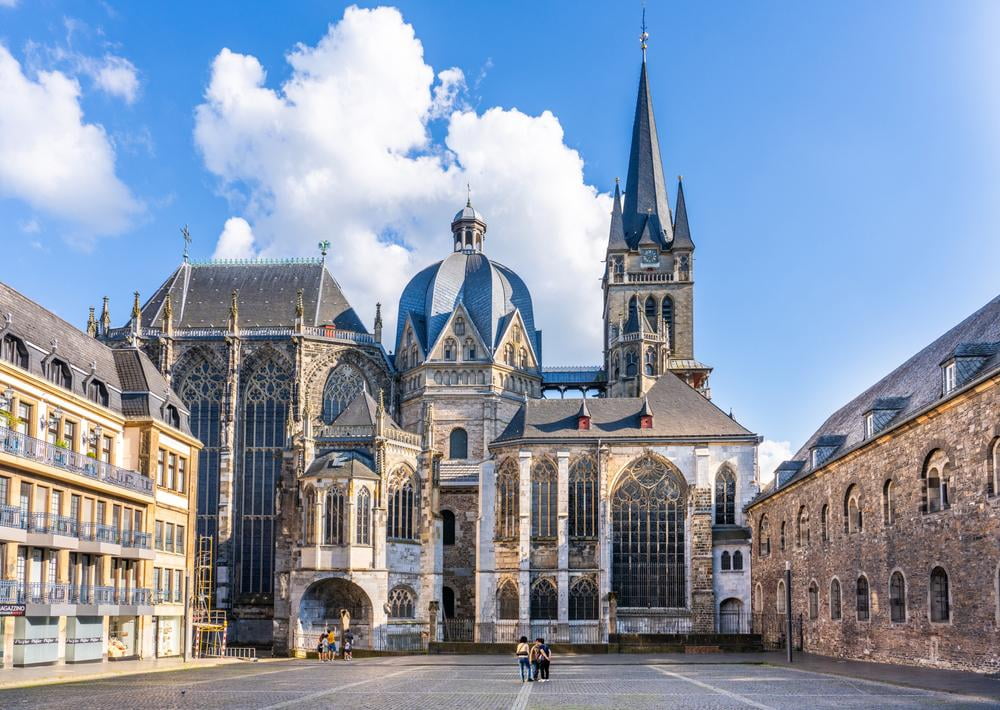
Aachen: The old imperial city on Germany’s western edge, whose cathedral carries one of the union’s coveted heritage distinctions, stands to gain from a fresh round of European cultural support. The Commission has confirmed that its flagship culture programme will run a 380 million euro budget in 2026, keeping money flowing to artists, festivals, translators and heritage guardians across the bloc.
The programme aims to hold the line on cultural diversity while making Europe’s creative industries more competitive. Officials have tied the spending to broader goals, from defending democratic debate to supporting the green and digital shifts reshaping how culture is made and consumed. Music venues, small publishers and independent film makers all draw on the same pot.
Heritage sits at the centre of the new plans. The Commission will carry the European Heritage Label forward until 2029, extending recognition and networking support to places that tell a shared European story, from medieval cathedrals to sites of twentieth-century reconciliation. A dedicated support office that opened in 2023 wraps up its work in July 2026, handing its role into the longer-term framework.
Fresh initiatives round out the offer. A third edition of a scheme that helps performing arts tour across borders returns, alongside a new action modelled on earlier projects that paired European cultural institutes with partners abroad. Together they are meant to help artists reach audiences beyond their home markets, a persistent weakness in a continent of fragmented national scenes.
For heritage sites, the label is more than a plaque. Recognition tends to lift visitor numbers, unlock local investment and strengthen the case for conservation funding from regional and national budgets. Managers of listed places say the European stamp helps them argue for restoration money in tight fiscal times, and connects them to a network that shares expertise on everything from stonework to storytelling.
Educators feature too. The union’s mobility programme continues to fund student and teacher exchanges, virtual collaborations and partnerships that weave cultural heritage into classrooms, building on years of projects that treat Europe’s past as a living teaching resource rather than a museum piece.
Doubts linger about scale. Cultural organisations argue that the budget remains modest against the sector’s needs, and that grant paperwork still deters the smallest applicants. Even so, the continuity offers planning certainty that many had feared losing. The Commission has laid out the year’s priorities in its culture update, and for heritage sites like those in Aachen, the promise of support into the next decade is welcome news.