August 29, 2026
LATEST
What Europe Needs From the GCC Summit Riyadh Will Host in AutumnData Rules Agreed With Seoul Now Wait on Parliament’s ConsentChina Listed Fourteen European Firms and November Ends the TruceWhy Australia’s Finished Trade Deal Still Has No Signature DateLate Application Leaves Tokyo Outside the Defence Loan QueueCyber Resilience Rules Give Makers 24 Hours From SeptemberWinter Stocks Test Europe’s New Gas Storage Flexibility RulesInnovation Theory Meets Merger Control in a New Commission StudyMercosur Tariffs Fell in May and the Court Has Not Ruled YetBilaterals III Now Turns on Which Referendum Switzerland PicksDark Patterns Face the EU Digital Fairness ActFifteen Chapters Stand Between Montenegro and 2028Who Blinks First in the FP10 Research Budget FightCustoms Reform Landed in March and Its Data Hub Opens in 2028Victims Rights Gain an EU Helpline and Capitals Have Two YearsIreland Must Move the EU Budget Box Before the October SummitFertiliser Prices Sit 71 Percent Above Their 2024 Average LevelState Aid Exemptions Face a Rewrite With Four Months to SpareIrregular Crossings Fell 37 Percent and Spain Is the ExceptionSpring Growth Went to Ireland and Skipped Belgium EntirelyWhat Europe Needs From the GCC Summit Riyadh Will Host in AutumnData Rules Agreed With Seoul Now Wait on Parliament’s ConsentChina Listed Fourteen European Firms and November Ends the TruceWhy Australia’s Finished Trade Deal Still Has No Signature DateLate Application Leaves Tokyo Outside the Defence Loan QueueCyber Resilience Rules Give Makers 24 Hours From SeptemberWinter Stocks Test Europe’s New Gas Storage Flexibility RulesInnovation Theory Meets Merger Control in a New Commission StudyMercosur Tariffs Fell in May and the Court Has Not Ruled YetBilaterals III Now Turns on Which Referendum Switzerland PicksDark Patterns Face the EU Digital Fairness ActFifteen Chapters Stand Between Montenegro and 2028Who Blinks First in the FP10 Research Budget FightCustoms Reform Landed in March and Its Data Hub Opens in 2028Victims Rights Gain an EU Helpline and Capitals Have Two YearsIreland Must Move the EU Budget Box Before the October SummitFertiliser Prices Sit 71 Percent Above Their 2024 Average LevelState Aid Exemptions Face a Rewrite With Four Months to SpareIrregular Crossings Fell 37 Percent and Spain Is the ExceptionSpring Growth Went to Ireland and Skipped Belgium Entirely
August 29, 2026
LATEST
What Europe Needs From the GCC Summit Riyadh Will Host in AutumnData Rules Agreed With Seoul Now Wait on Parliament’s ConsentChina Listed Fourteen European Firms and November Ends the TruceWhy Australia’s Finished Trade Deal Still Has No Signature DateLate Application Leaves Tokyo Outside the Defence Loan QueueCyber Resilience Rules Give Makers 24 Hours From SeptemberWinter Stocks Test Europe’s New Gas Storage Flexibility RulesInnovation Theory Meets Merger Control in a New Commission StudyMercosur Tariffs Fell in May and the Court Has Not Ruled YetBilaterals III Now Turns on Which Referendum Switzerland PicksDark Patterns Face the EU Digital Fairness ActFifteen Chapters Stand Between Montenegro and 2028Who Blinks First in the FP10 Research Budget FightCustoms Reform Landed in March and Its Data Hub Opens in 2028Victims Rights Gain an EU Helpline and Capitals Have Two YearsIreland Must Move the EU Budget Box Before the October SummitFertiliser Prices Sit 71 Percent Above Their 2024 Average LevelState Aid Exemptions Face a Rewrite With Four Months to SpareIrregular Crossings Fell 37 Percent and Spain Is the ExceptionSpring Growth Went to Ireland and Skipped Belgium EntirelyWhat Europe Needs From the GCC Summit Riyadh Will Host in AutumnData Rules Agreed With Seoul Now Wait on Parliament’s ConsentChina Listed Fourteen European Firms and November Ends the TruceWhy Australia’s Finished Trade Deal Still Has No Signature DateLate Application Leaves Tokyo Outside the Defence Loan QueueCyber Resilience Rules Give Makers 24 Hours From SeptemberWinter Stocks Test Europe’s New Gas Storage Flexibility RulesInnovation Theory Meets Merger Control in a New Commission StudyMercosur Tariffs Fell in May and the Court Has Not Ruled YetBilaterals III Now Turns on Which Referendum Switzerland PicksDark Patterns Face the EU Digital Fairness ActFifteen Chapters Stand Between Montenegro and 2028Who Blinks First in the FP10 Research Budget FightCustoms Reform Landed in March and Its Data Hub Opens in 2028Victims Rights Gain an EU Helpline and Capitals Have Two YearsIreland Must Move the EU Budget Box Before the October SummitFertiliser Prices Sit 71 Percent Above Their 2024 Average LevelState Aid Exemptions Face a Rewrite With Four Months to SpareIrregular Crossings Fell 37 Percent and Spain Is the ExceptionSpring Growth Went to Ireland and Skipped Belgium Entirely

Importers Face One Data Hub and a Trust Test by 2028

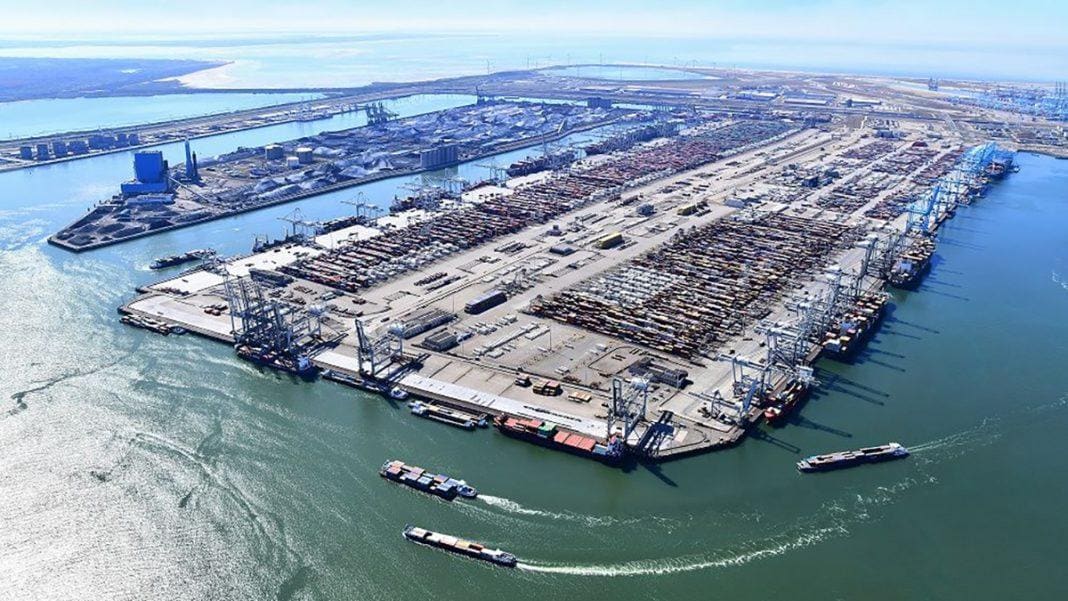
Rotterdam: Customs brokers working the container terminals here file declarations under a system designed for a world of pallets and paperwork. The reform agreed between Council and Parliament on 26 March 2026 replaces that architecture, and the first hard date now sits on 1 July 2028, when the EU Customs Data Hub becomes operational for e-commerce goods.

The reform creates a decentralised agency, the European Union Customs Authority, which will build and run that hub from March 2028. Its job is coordination rather than enforcement. National administrations keep their officers and their revenue, but they will draw risk assessments from a shared data layer instead of twenty-seven separate systems that currently exchange information slowly and incompletely.

Two changes will alter commercial behaviour more than the agency itself. The reform abolishes the 150 euro threshold below which imported goods escaped customs duty, a threshold that turned low-value parcels into the fastest growing gap in the union’s revenue base. It also makes online marketplaces deemed importers, which shifts duty and compliance liability from millions of individual consignees onto a handful of platforms that can actually be audited.

Platforms have not welcomed the arrangement, though their objection is practical rather than principled. A deemed importer must classify goods it never handles, using descriptions supplied by third-party sellers who have limited incentive to be accurate. Misclassification becomes the platform’s liability. Expect substantial investment in automated tariff classification, and expect disputes over who bears the cost when a seller’s description proves false.

For established traders, the reform offers Trust and Check, a qualification that builds on the existing authorised economic operator programme and permits release of goods without routine declarations. The promise is genuine simplification for compliant firms with clean records. The condition is data access, because Trust and Check status requires customs authorities to reach into a company’s own systems rather than waiting for a filing.

Smaller importers face a harder calculation. They lack the compliance departments that make continuous data sharing cheap, and they may find themselves outside the fast lane while competitors move through it. Trade associations have asked for a proportionate route into Trust and Check for firms below a certain turnover, and the implementing acts will decide whether they get one.

The timetable leaves less room than it appears. National administrations must connect legacy systems to a hub that does not yet exist, while the new authority must be staffed, seated and funded. Comparable EU IT projects have slipped, and the e-commerce start date of July 2028 falls only four months after the agency opens its doors.

Rotterdam handles enough volume that a delay would be absorbed rather than felt. Smaller ports with thinner staffing will experience any slippage differently, and their operators are the ones asking the Commission for a transition plan in writing.