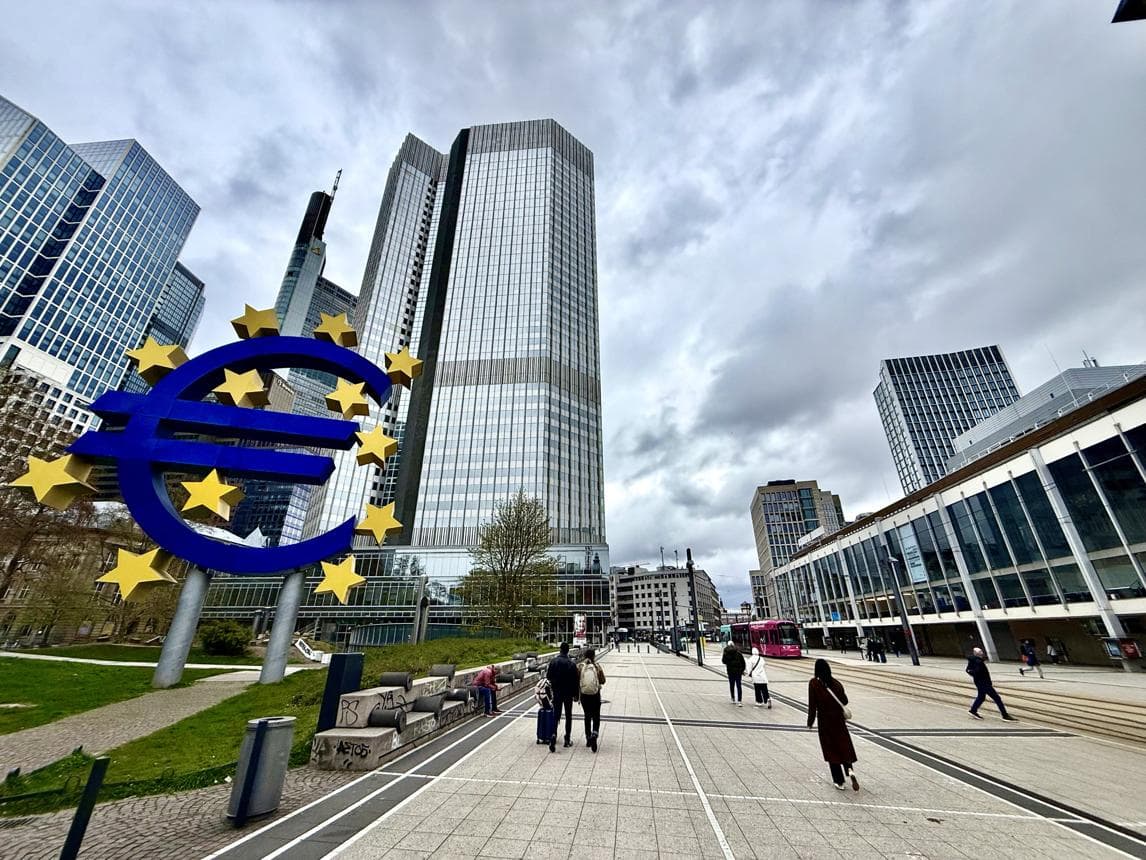
Rotterdam: The biggest overhaul of the Union’s customs union since it was created in 1968 has cleared its decisive political hurdle, and the centrepiece is a single digital nerve centre meant to replace the tangle of national systems that goods currently pass through. Negotiators for the Parliament and the Council struck a deal this spring on a reform years in the drafting that will take years more to take full effect.
At its heart sits the EU Customs Data Hub, a common online environment into which businesses will log information about their products and supply chains. Instead of dealing with twenty-seven separate national systems, traders will face a single portal, submitting their data once and reusing it across multiple consignments. Drawing on machine learning, artificial intelligence and human oversight, the hub is meant to give authorities a panoramic view of what is moving across the Union’s borders and where the risks lie.
Overseeing it will be a new EU Customs Authority, a body that did not exist before and that will gradually coordinate how the external frontier is policed. The agency is to be headquartered in Lille and staffed by a few hundred officials, a modest footprint for an institution meant to knit together administrations that have long guarded their own procedures. Over time the hub is projected to replace national infrastructure and save member states as much as two billion euros a year.
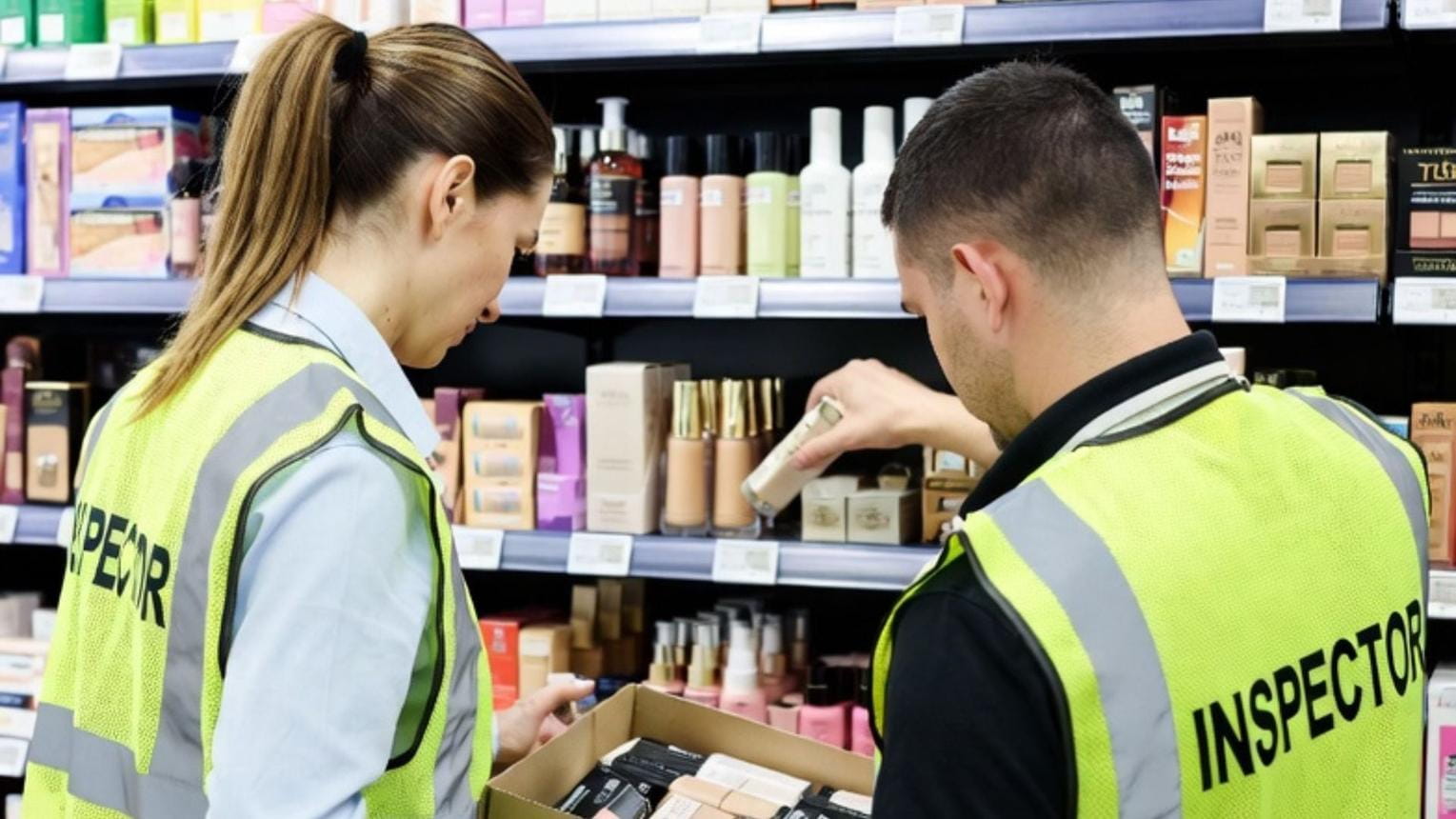
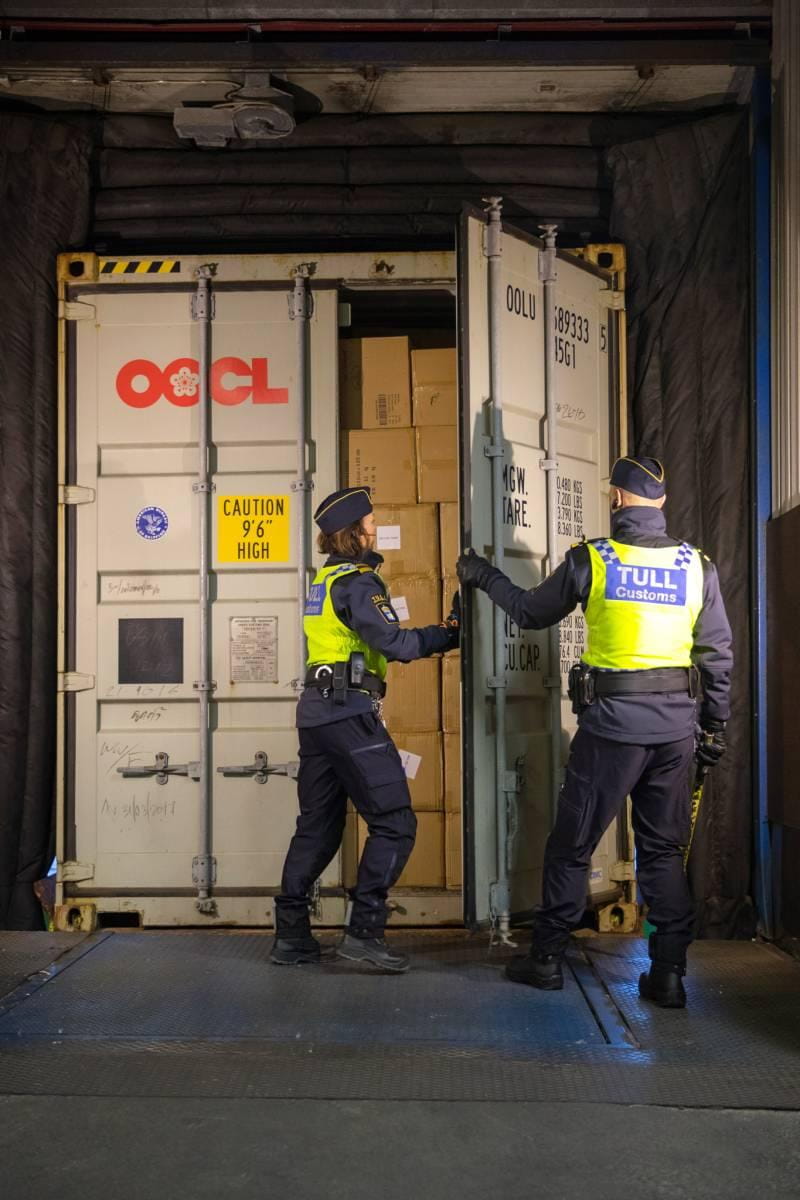
The case for reform is the strain on the current model. The customs union was designed for an age of containers and paper declarations, not for a torrent of small parcels generated by online shopping, much of it arriving from outside the bloc with declarations that are incomplete or false. A declaration-based system that trusts each shipment to describe itself has proved easy to game, leaving authorities chasing fraud and unsafe goods after the fact. A data-driven model promises to flag problems before they cross the line.
The timetable, however, is long and the ambition fragile. The hub is to become operational for e-commerce goods first, around the end of the decade, with a phased rollout bringing all goods into scope only later. Building a system that twenty-seven administrations and countless businesses must rely on is a vast undertaking, and the Union’s record on large IT projects is not uniformly reassuring. National administrations must also cede control to a central authority, never an easy surrender in a domain touching both revenue and sovereignty. Yet the direction is unmistakable: the reform reimagines customs not as a gate where goods are inspected one by one but as a data system that watches the whole flow.