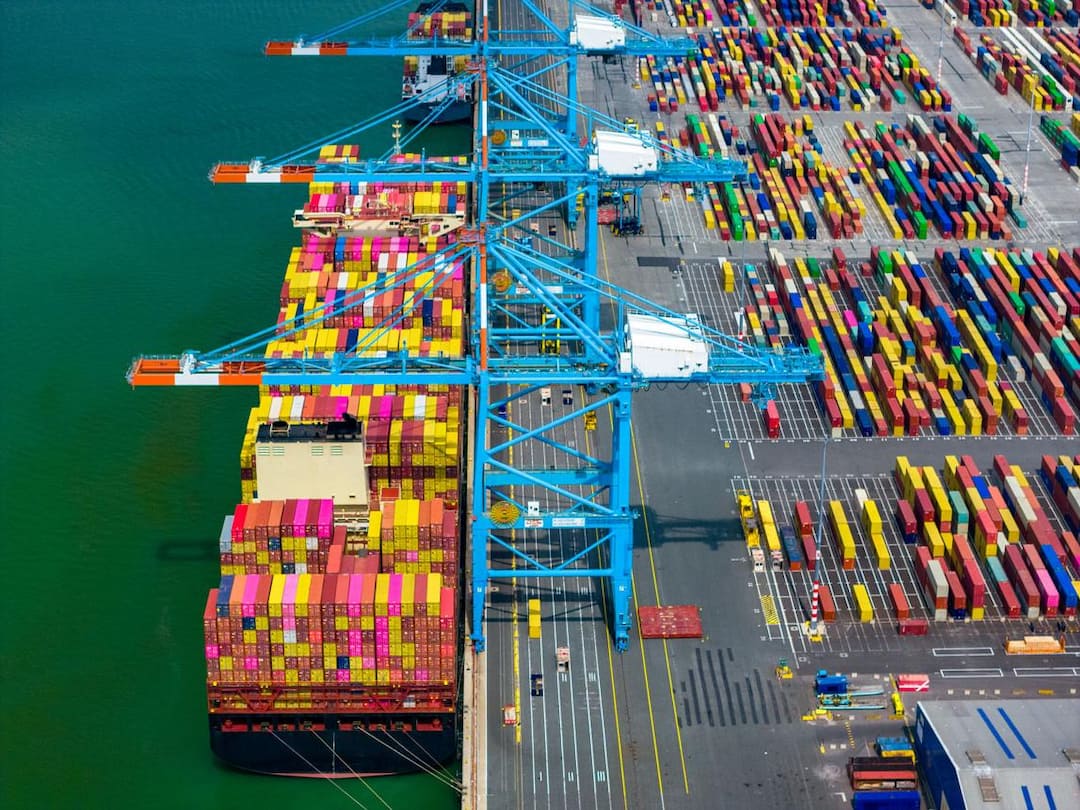
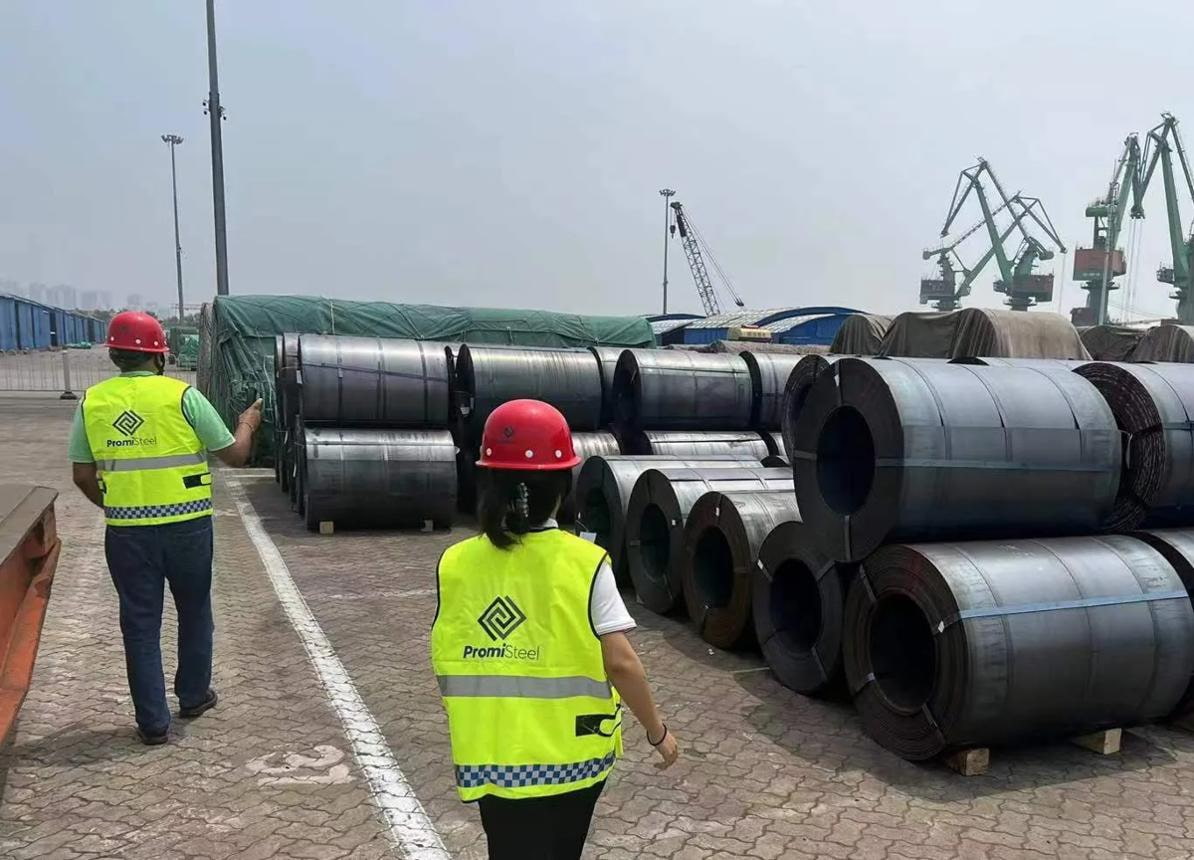
Malmö: Three euros does not sound like a trade policy. Since 1 July 2026 it has functioned as one. That is the flat customs duty the European Union now charges on items inside parcels worth up to 150 euros sent directly to consumers from outside the bloc, and it replaced an exemption that had shaped a decade of cross-border retail.
The Council gave the measure its final approval on 11 February 2026 and the Commission published the legal text and guidance in June, confirming the flat fee applies until 1 July 2028. The mechanics matter more than the headline number. The charge attaches to each distinct category of item in a consignment, identified by tariff sub-heading, so a parcel holding a phone case, a charger and a pair of socks attracts the duty three times rather than once. Sellers who built their margins on bundled low-value shipments have had to rework their basket economics rather than absorb a single flat cost.
Customs administrations pushed for the interim charge because the permanent architecture is not ready. The wider customs reform creates an EU Customs Authority and a central customs data hub that will take reporting away from twenty seven national systems. Tariffs are meant to apply to all incoming goods once that hub runs, which officials currently place in 2028. Council and Parliament negotiators are still working through the reform, including how much operational power the new authority actually holds over national administrations. The Council’s own summary of the small-parcel decision sits here.
A second charge is coming and it is not settled. The Commission plans a separate handling fee on low-value consignments, expected in November, intended to cover the administrative cost of processing volumes that ran into the billions of items a year. Member states disagree about who collects it, who keeps it and whether platforms or postal operators bear the compliance load. That argument is really about revenue attribution, since the customs duty flows to the EU budget while handling costs fall on national services.
Retailers report three practical effects. Declarations have become more granular, because the per-category structure rewards precise classification. Consolidation has increased, with sellers shipping in bulk to European warehouses and fulfilling domestically to avoid the per-item charge entirely. And enforcement gaps have widened, because undervaluation now carries a clearer payoff than it did when the goods entered duty free anyway.
None of that resolves the original complaint. European retailers argued for years that the exemption handed non-EU sellers a structural discount on identical goods. Three euros narrows that gap without closing it. The Commission’s guidance on the interim fee is published on its taxation and customs pages.
The real test comes in 2028. If the data hub slips, the interim fee will need extending, and interim measures that outlive their deadline tend to acquire defenders. Customs officials in several capitals already treat the flat charge as the likely floor for whatever replaces it.