August 10, 2026
LATEST
Europe Finally Locks In Its 348-Satellite Answer to StarlinkPlatform Work Rules Face a National Scramble Before DecemberDuty-Free Parcels Reach the End of the Line for EU ShoppersAfter Nine Years, Europe and Australia Seal a Trade PactBeijing Answers Europe’s Russia Sanctions in KindOne Year On, the EU-Japan Alliance Faces Its First TestEurope’s Chip Ambitions Still Run Through Taiwan’s FabsWhy South Korea Bet Its Research Future on Europe’s ProgrammeEurope and Japan Deepen Their Economic Alliance as Rivals CircleFive Joint Defence Projects Launch Europe’s Military ShieldElectrification Plan Aims to Make Europe First Electro ContinentHorizon Europe Budget Fight Heats Up as Ministers Push BackGoogle’s DMA Fine Sets Off a Transatlantic Tariff ClashTwenty New University Alliances Join Erasmus for Two YearsForeign Subsidies Case Puts Temu in the EU’s SightsVan Tachographs Now Mandatory for Cross-Border FleetsStress Test Exposes Gaps in Euro Area Bank DefencesEurope Bets on a Gulf Partnership Before the Riyadh SummitWhy the Atlantic Route Now Runs Through MauritaniaKyiv and Chisinau Advance as the EU Accession Talks Gather PaceEurope Finally Locks In Its 348-Satellite Answer to StarlinkPlatform Work Rules Face a National Scramble Before DecemberDuty-Free Parcels Reach the End of the Line for EU ShoppersAfter Nine Years, Europe and Australia Seal a Trade PactBeijing Answers Europe’s Russia Sanctions in KindOne Year On, the EU-Japan Alliance Faces Its First TestEurope’s Chip Ambitions Still Run Through Taiwan’s FabsWhy South Korea Bet Its Research Future on Europe’s ProgrammeEurope and Japan Deepen Their Economic Alliance as Rivals CircleFive Joint Defence Projects Launch Europe’s Military ShieldElectrification Plan Aims to Make Europe First Electro ContinentHorizon Europe Budget Fight Heats Up as Ministers Push BackGoogle’s DMA Fine Sets Off a Transatlantic Tariff ClashTwenty New University Alliances Join Erasmus for Two YearsForeign Subsidies Case Puts Temu in the EU’s SightsVan Tachographs Now Mandatory for Cross-Border FleetsStress Test Exposes Gaps in Euro Area Bank DefencesEurope Bets on a Gulf Partnership Before the Riyadh SummitWhy the Atlantic Route Now Runs Through MauritaniaKyiv and Chisinau Advance as the EU Accession Talks Gather Pace
August 10, 2026
LATEST
Europe Finally Locks In Its 348-Satellite Answer to StarlinkPlatform Work Rules Face a National Scramble Before DecemberDuty-Free Parcels Reach the End of the Line for EU ShoppersAfter Nine Years, Europe and Australia Seal a Trade PactBeijing Answers Europe’s Russia Sanctions in KindOne Year On, the EU-Japan Alliance Faces Its First TestEurope’s Chip Ambitions Still Run Through Taiwan’s FabsWhy South Korea Bet Its Research Future on Europe’s ProgrammeEurope and Japan Deepen Their Economic Alliance as Rivals CircleFive Joint Defence Projects Launch Europe’s Military ShieldElectrification Plan Aims to Make Europe First Electro ContinentHorizon Europe Budget Fight Heats Up as Ministers Push BackGoogle’s DMA Fine Sets Off a Transatlantic Tariff ClashTwenty New University Alliances Join Erasmus for Two YearsForeign Subsidies Case Puts Temu in the EU’s SightsVan Tachographs Now Mandatory for Cross-Border FleetsStress Test Exposes Gaps in Euro Area Bank DefencesEurope Bets on a Gulf Partnership Before the Riyadh SummitWhy the Atlantic Route Now Runs Through MauritaniaKyiv and Chisinau Advance as the EU Accession Talks Gather PaceEurope Finally Locks In Its 348-Satellite Answer to StarlinkPlatform Work Rules Face a National Scramble Before DecemberDuty-Free Parcels Reach the End of the Line for EU ShoppersAfter Nine Years, Europe and Australia Seal a Trade PactBeijing Answers Europe’s Russia Sanctions in KindOne Year On, the EU-Japan Alliance Faces Its First TestEurope’s Chip Ambitions Still Run Through Taiwan’s FabsWhy South Korea Bet Its Research Future on Europe’s ProgrammeEurope and Japan Deepen Their Economic Alliance as Rivals CircleFive Joint Defence Projects Launch Europe’s Military ShieldElectrification Plan Aims to Make Europe First Electro ContinentHorizon Europe Budget Fight Heats Up as Ministers Push BackGoogle’s DMA Fine Sets Off a Transatlantic Tariff ClashTwenty New University Alliances Join Erasmus for Two YearsForeign Subsidies Case Puts Temu in the EU’s SightsVan Tachographs Now Mandatory for Cross-Border FleetsStress Test Exposes Gaps in Euro Area Bank DefencesEurope Bets on a Gulf Partnership Before the Riyadh SummitWhy the Atlantic Route Now Runs Through MauritaniaKyiv and Chisinau Advance as the EU Accession Talks Gather Pace

Repair Obligations Reach Store Shelves Before a July Deadline

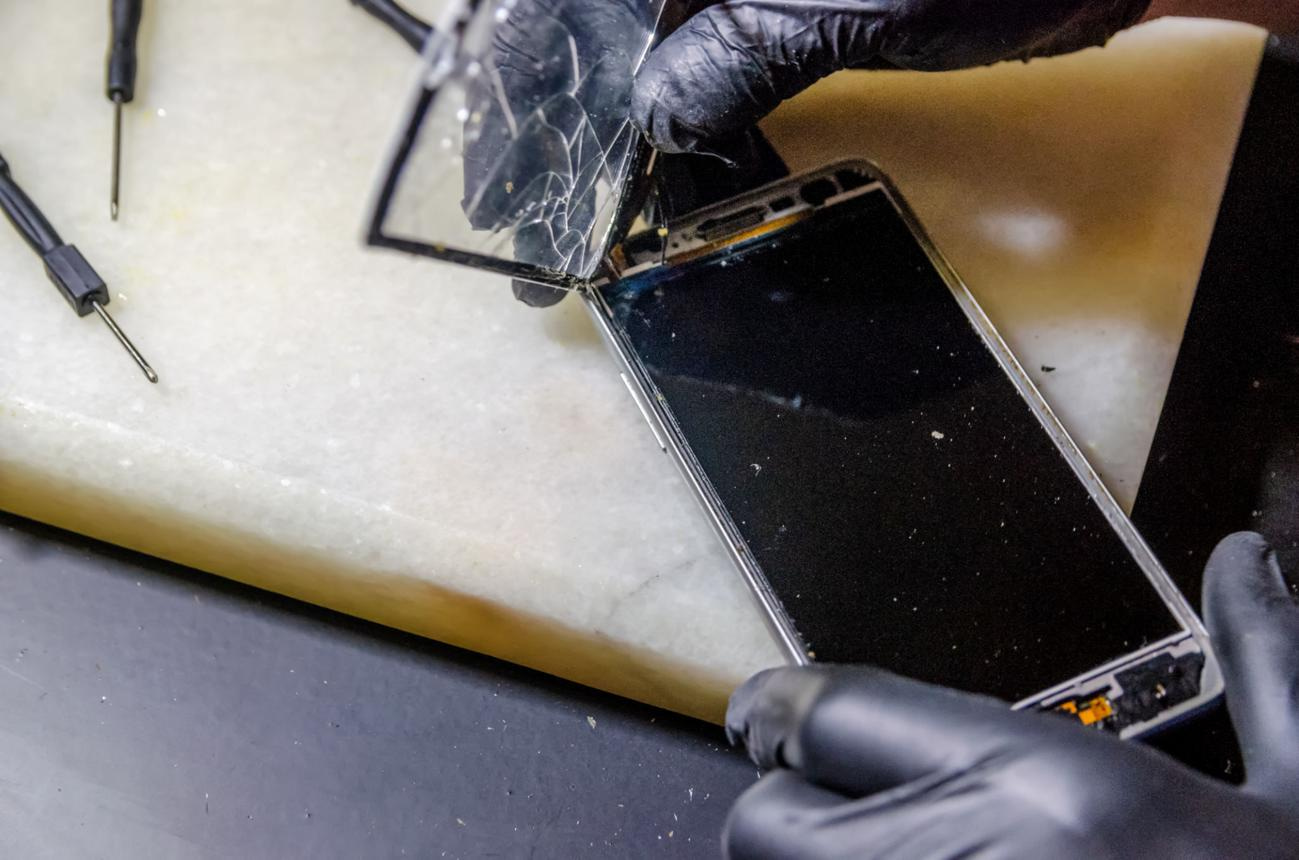
Eindhoven: A quiet legal deadline at the end of this month is set to change what happens when a washing machine breaks or a phone screen cracks. By 31 July, member states must have written the European Union’s Right to Repair Directive into national law, obliging manufacturers to fix a defined list of everyday products even after the guarantee has run out and, in many cases, even for goods bought before the rules took hold.

The directive, adopted in 2024, covers items such as washing machines, dishwashers, refrigerators, vacuum cleaners and smartphones. Once national laws are in place, producers must repair these on request within a reasonable time and at a reasonable price, and a repair carried out during the warranty period extends that warranty by a further twelve months. The intent is to nudge both makers and owners away from the reflex of replacement, which fills landfills and burns through raw materials the bloc would rather keep in circulation.

The repair rules do not stand alone. They dovetail with the Ecodesign for Sustainable Products Regulation, in force since 2024, which has already begun reshaping product design. Since last year smartphones and tablets sold in the Union have carried repairability labels graded from A to E, spare parts must remain available for seven years, and batteries are expected to survive hundreds of charge cycles. Together the two measures aim to make durability a selling point rather than an afterthought.

Why this matters reaches beyond consumer convenience. The Union recycles or reuses only a small fraction of the materials it consumes, and closing that gap has become an economic-security argument as much as an environmental one. Every laptop repaired rather than scrapped is a modest reduction in demand for imported metals and minerals, many of them sourced from a handful of countries. The Commission is expected to build on this logic later in the year with a Circular Economy Act intended to create a genuine single market for recycled and secondary raw materials.

There are reasons for caution. Repair advocates warn that a directive is only as strong as its transposition, and several capitals have moved slowly, raising the prospect of an uneven map in which the right to repair means more in some countries than others. Manufacturers, for their part, have pressed for workable definitions of a reasonable price and adequate protection for their designs, arguing that poorly drafted rules could raise costs without extending product life. Independent repairers counter that access to spare parts and diagnostic information, not price alone, will decide whether the reform bites.

What comes next is a test of enforcement. After the deadline passes, attention will turn to how vigorously national authorities police the obligations and whether consumers actually find it easier and cheaper to get things mended. The Circular Economy Act, expected in the second half of the year, will signal how far the Commission intends to push the wider agenda. For now, the message to households in Eindhoven and across the Union is simple: the broken appliance in the cupboard may soon be worth fixing after all.