Twenty fresh university alliances have won a place in the European Universities initiative, the flagship scheme that stitches campuses across the continent into single cross-border institutions. The European Commission confirmed the selection under the 2026 Erasmus+ call, lifting the number of supported alliances to 65.
The newly chosen groups bring together 190 higher education institutions, and each alliance will receive up to 7.2 million euros over two years. The Commission set aside 145.6 million euros for the round, and it framed the money as a bridge that keeps cooperation running until the next long-term EU budget opens in 2028.
Activities will start in the autumn and winter of 2026. Officials asked the alliances to concentrate on tangible work that can be scaled up rather than on new pilots, so the funding rewards partnerships that already share courses, research and mobility rather than fresh experiments that might not last.
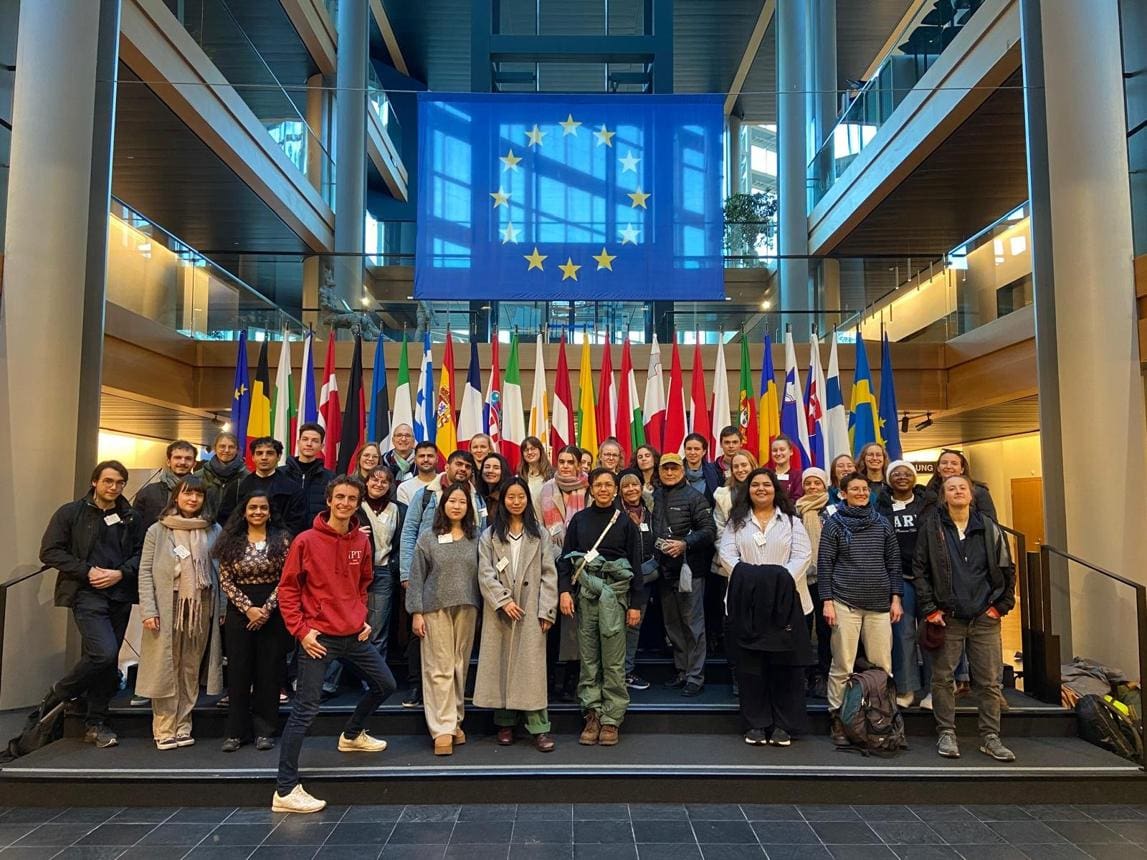
The European Universities model asks partner campuses to act as one. Students can move between member institutions, combine credits from several countries into a single degree, and tap laboratories and libraries far from home. Staff share teaching, supervise joint projects and pool administrative systems that national rules once kept separate.
The Commission presents the initiative as a way to raise the quality and international standing of European higher education at a moment when American and Asian universities dominate global rankings. By binding institutions together, officials hope to build critical mass in research and to keep talented graduates inside the bloc. You can read the announcement on the European Education Area site.
Money, though, remains the recurring worry. The bridge funding runs only until 2028, and alliance leaders have pressed for a durable financing model that does not force them to reapply every few years. Short cycles, they argue, make it hard to hire permanent staff or to promise students that a joint programme will still exist by graduation.
Geography shapes the debate too. Universities in larger member states tend to anchor the biggest alliances, and rectors in smaller or newer members want assurances that the scheme will spread its benefits rather than deepen an existing divide. The Commission counters that the 2026 selection reaches institutions in a wide spread of countries and disciplines.
The wider Erasmus+ programme carries a budget of around 5.2 billion euros for 2026, funding student exchanges, vocational training and youth work alongside the university alliances. Details of the current round sit in the Erasmus+ call pages.
For students, the practical test is simple. A working alliance should let a physics undergraduate in one country take a semester in another without paperwork swallowing the term, and let a doctoral researcher join a shared lab without losing funding. Whether the new university alliances deliver that experience, and whether the money lasts long enough to embed it, will decide if the initiative becomes permanent or fades when the next budget arrives.