Tallinn: The Commission has opened a second round of SAFE defence loans worth 21.3 billion euros, inviting every member state to say how much it wants to borrow for defence readiness and for Ukraine. Reports published on 3 and 5 November 2026 describe the invitation, which the Nordic Defence Sector site dates to a Commission notice of 29 October.
The money belongs to the 150 billion euros of long-maturity SAFE defence loans adopted in May 2025. Member states first indicate the amount they want, and the Commission then offers tentative allocations within two weeks of the submission deadline. Neither report gives the deadline, so governments and industry will need the Commission’s notice for the date.
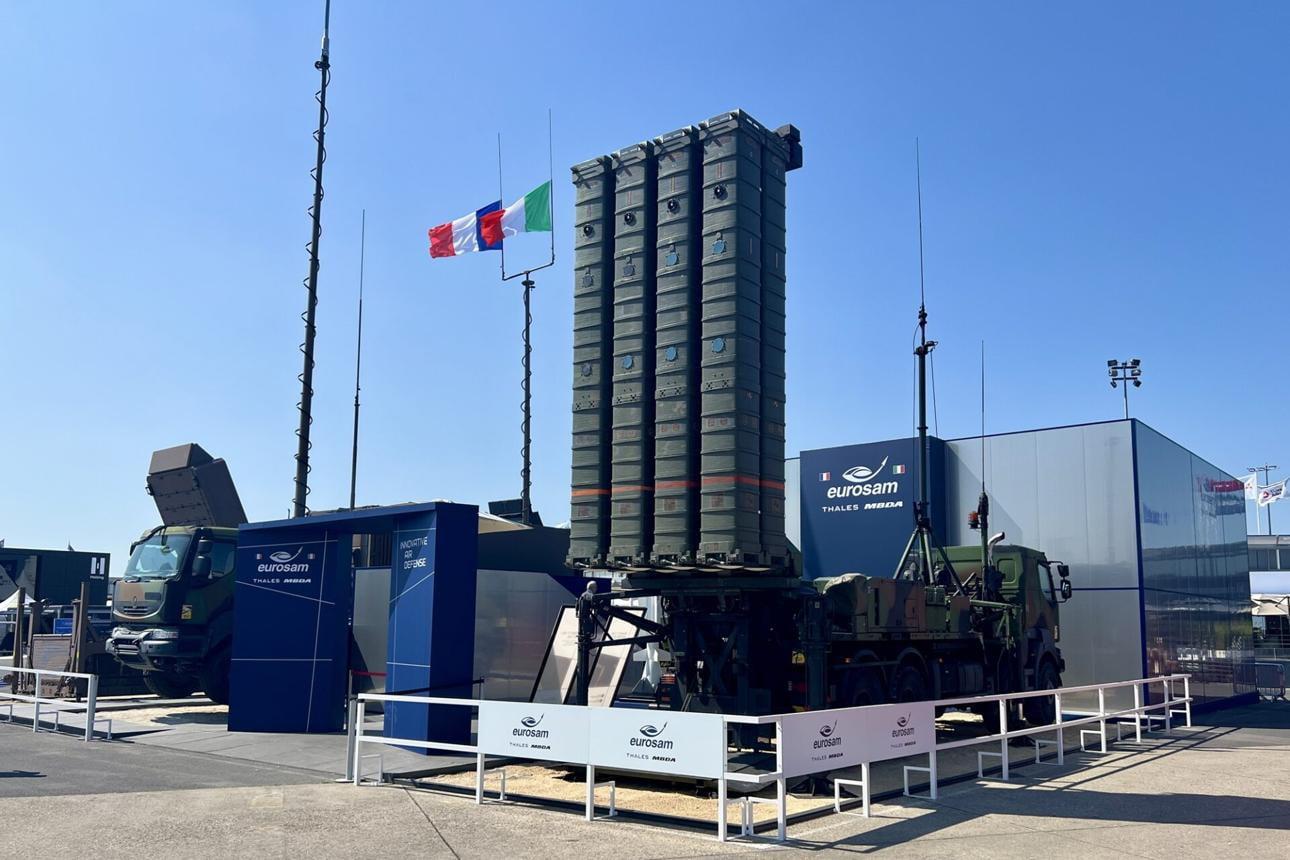
The priorities are clear. The second round favours air and missile defence, drones and counter-drone systems, and ammunition and missiles, for both Ukrainian and member state forces. The invitation also supports joint procurement with Ukraine, which links the loans to the wider push to rebuild European stocks under the Readiness 2030 framework. Governments planning purchases in these areas can use SAFE defence loans to spread the cost over a long period.
The first round of SAFE defence loans gives a sense of scale. The EU has approved loan agreements for all 19 member states that chose to take part, and the Commission has signed with 16 of them. Almost 13.5 billion euros has been paid out as prefinancing across 11 member states that asked for it. Denmark and Finland are among the participants.
Ukraine plays a double role in the scheme. It can take part in joint purchases, and its forces are among those the new round is meant to equip, which ties European production capacity directly to Ukrainian needs.
Rules shape who can benefit. According to the Nordic Defence Sector, projects are generally joint purchases by at least two countries, at least one of which receives a loan, and at least 65 percent of component costs must come from the EU, Ukraine or qualifying EEA and EFTA states. Individual governments may temporarily buy alone. These details come from a single secondary source, so readers should check them against the Commission’s SAFE page.
Several questions remain open. The reports do not say how much of the 150 billion euros is now allocated, which countries will ask for the new money, or what amounts they want. A defence industry plan submitted in November 2025 shows that some governments asked for less than first agreed.
The next test comes when national requests arrive. If member states ask for the full 21.3 billion euros, SAFE defence loans will become a central tool for air defence and drone production across Europe. If demand falls short, the Commission will face questions about whether joint procurement rules are too tight for national budgets.