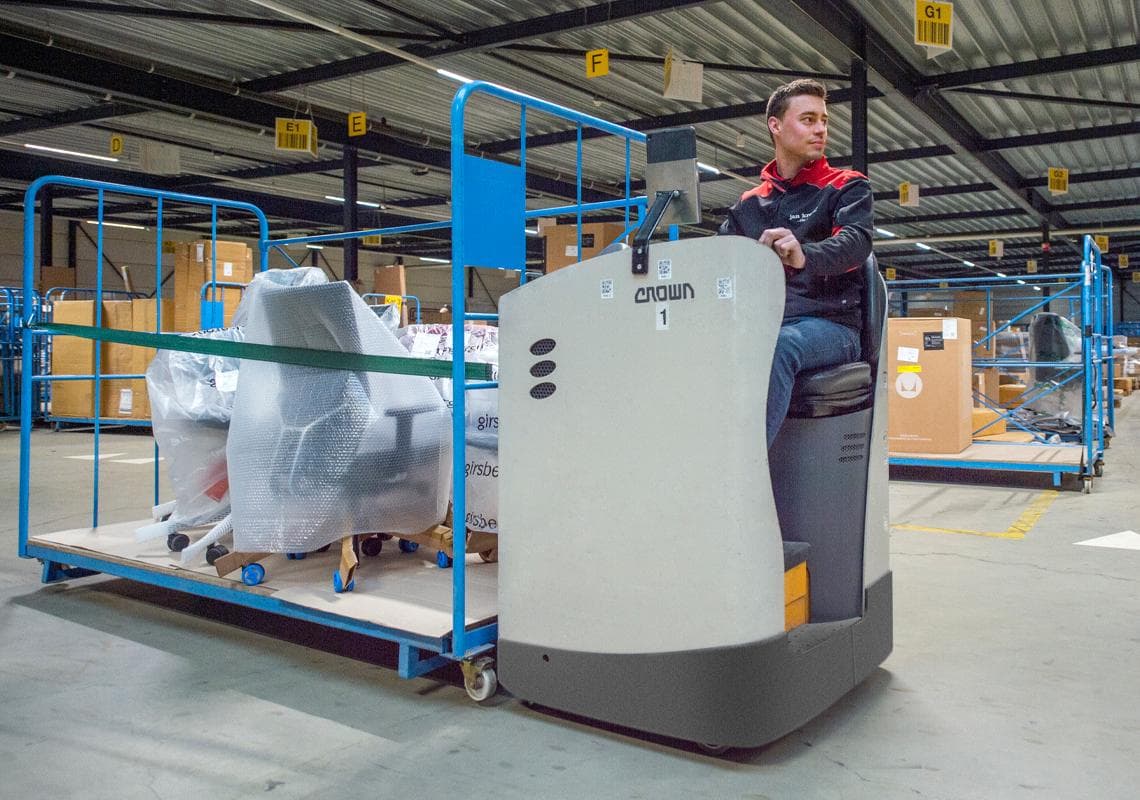
Maastricht: A furniture maker shipping to six countries keeps six VAT registrations, six filing calendars and, usually, six advisers. Europe promised to collapse that stack into one. The promise has a date, and the date is 2028.
The VAT in the Digital Age package became law in March 2025 and phases in through 2035. Its single registration pillar removes the obligation on non-established traders to register wherever they hold stock or make supplies, mainly by extending the one-stop shop and forcing a reverse charge onto business customers. Traders welcomed it. Then they read the timetable.
The mandatory reverse charge for non-established suppliers starts in July 2028. Before that, January 2027 brings a narrower change, pulling business-to-consumer supplies in the electric-vehicle charging sector into the one-stop shop.
Charging sits first for a practical reason. A driver crossing from the Netherlands into Germany triggers a supply in Germany, and charge point operators currently register everywhere their cards work. Few files illustrate the absurdity better.
The Commission spent this summer turning directive language into implementing rules, and published a 2026 work programme that sets out the IT and legal steps. Tax administrations must rebuild the one-stop shop to carry transaction types it was never designed to hold, and twenty-seven systems must speak to one another without dropping records.
That engineering carries real risk. The existing one-stop shop already strains under e-commerce volumes, and national IT budgets rarely arrive on schedule. A delay in one capital delays every trader routing through it.
Businesses face a harder planning problem than the dates suggest. A company cannot deregister in Italy today on the strength of a 2028 rule, so it maintains the old compliance stack while preparing the new one. Advisers report clients budgeting for parallel systems across three financial years.
Deemed supplier rules for short-term accommodation and passenger road transport also arrive in July 2028. Platforms will collect VAT on behalf of hosts and drivers who currently fall below registration thresholds, which shifts revenue rather than creating it, and shifts it toward the country where the service happens.
Unanimity shapes every step. VAT files move only when all twenty-seven agree, and the package already survived one veto that delayed adoption by more than a year. Nothing prevents a repeat during the implementing acts, where the technical detail hides genuine money.
The furniture maker in Limburg will therefore keep six registrations through 2027 and probably most of 2028. Officials describe the reform as the largest VAT simplification in a generation, and the description may prove accurate. It simply will not help anyone this fiscal year.